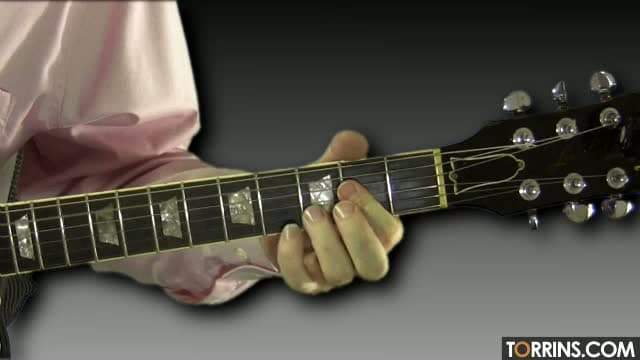
Main Solo 1
Black Magic Woman - Introduction
"Black Magic Woman" is one of Santana’s most famous songs, though it was originally written by Peter Green of Fleetwood Mac in 1968. Santana’s 1970 version, featured on the album Abraxas, transformed the track into a Latin rock masterpiece. The song blends bluesy guitar riffs with Afro-Latin percussion, creating a hypnotic and rhythmic groove. Carlos Santana’s smooth yet fiery guitar playing gives the track its signature sound, making it instantly recognizable.
The lyrics tell the story of a man enchanted by a mysterious woman, a common theme in blues music. Santana’s version extends the original with an instrumental section that transitions into "Gypsy Queen," a piece by jazz guitarist Gábor Szabó. This fusion of styles helped define Latin rock and cemented Santana’s place in music history. The song became a massive hit, reaching No. 4 on the Billboard Hot 100 in 1971, and remains a classic rock staple today.
Black Magic Woman Guitar Lesson
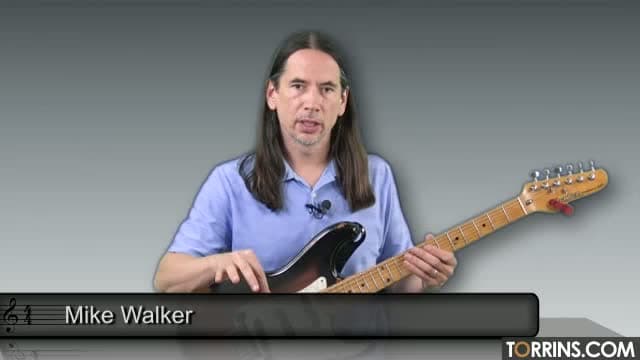
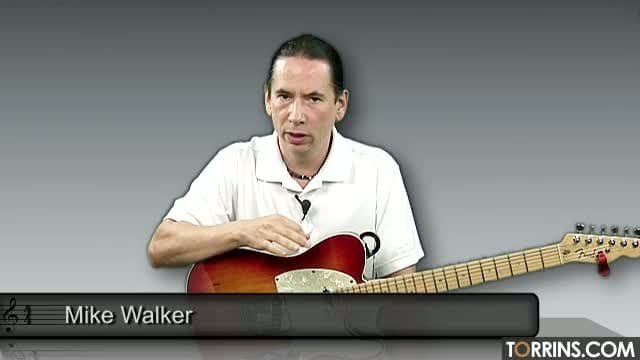
Taught by Mike Walker, this lesson breaks down how to play "Black Magic Woman" in the original key. The song revolves around three main chords: Dm7, Am7, and Gm7, giving it a moody, bluesy feel. The rhythm follows a Latin-inspired groove, with a steady pulse that makes it perfect for practicing timing and feel.
The intro features Santana’s iconic minor pentatonic lick, played with smooth bends and vibrato. The verse uses a repeating chord progression (Dm7 - Am7 - Gm7 - Dm7), with a laid-back strumming pattern that locks in with the percussion. The chorus shifts to a more open sound, letting the chords ring out before returning to the verse groove.
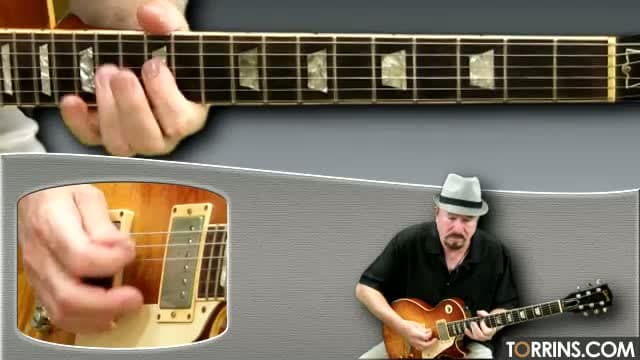
For the solo sections, Santana uses the D minor pentatonic scale (D-F-G-A-C) with added bluesy bends and expressive phrasing. The key is to play with emotion—let notes sustain, add vibrato, and slide between positions for that signature Santana sound. The transition into "Gypsy Queen" introduces faster, more intricate picking patterns, so start slow and focus on clarity.
Beginners should first master the chord changes and basic rhythm. Intermediate players can work on the intro riff and solo licks, paying attention to bends and vibrato. Advanced players should experiment with improvisation over the Dm7 vamp, using Santana’s phrasing as inspiration.
FAQs
Q. What tuning is used for this song?
Standard tuning (EADGBE)—no drop tuning or capo needed.
Q. How do I get Santana’s tone?
Use a smooth overdrive (not too distorted), with slight delay and reverb. Roll off some treble for warmth.
Q. What’s the strumming pattern?
A relaxed down-down-up with emphasis on beats 2 and 4 to match the Latin groove.
Q. Can I play this without a band?
Yes, but focus on keeping the rhythm tight—the groove is essential.
Q. How do I practice the bends in the solo?
Start slow, ensuring each bend reaches the correct pitch (e.g., bend G to A in the D minor scale).
Black Magic Woman
Introduction
Song Arrangement
Song Demo
Intro Solo
Main Solo 1
Main Solo 2
Unlock Full Access to Lyrics & Chords with Torrins Membership
Unlock with premiumBlack Magic Woman - Introduction
"Black Magic Woman" is one of Santana’s most famous songs, though it was originally written by Peter Green of Fleetwood Mac in 1968. Santana’s 1970 version, featured on the album Abraxas, transformed the track into a Latin rock masterpiece. The song blends bluesy guitar riffs with Afro-Latin percussion, creating a hypnotic and rhythmic groove. Carlos Santana’s smooth yet fiery guitar playing gives the track its signature sound, making it instantly recognizable.
The lyrics tell the story of a man enchanted by a mysterious woman, a common theme in blues music. Santana’s version extends the original with an instrumental section that transitions into "Gypsy Queen," a piece by jazz guitarist Gábor Szabó. This fusion of styles helped define Latin rock and cemented Santana’s place in music history. The song became a massive hit, reaching No. 4 on the Billboard Hot 100 in 1971, and remains a classic rock staple today.
Black Magic Woman Guitar Lesson
Taught by Mike Walker, this lesson breaks down how to play "Black Magic Woman" in the original key. The song revolves around three main chords: Dm7, Am7, and Gm7, giving it a moody, bluesy feel. The rhythm follows a Latin-inspired groove, with a steady pulse that makes it perfect for practicing timing and feel.
The intro features Santana’s iconic minor pentatonic lick, played with smooth bends and vibrato. The verse uses a repeating chord progression (Dm7 - Am7 - Gm7 - Dm7), with a laid-back strumming pattern that locks in with the percussion. The chorus shifts to a more open sound, letting the chords ring out before returning to the verse groove.
For the solo sections, Santana uses the D minor pentatonic scale (D-F-G-A-C) with added bluesy bends and expressive phrasing. The key is to play with emotion—let notes sustain, add vibrato, and slide between positions for that signature Santana sound. The transition into "Gypsy Queen" introduces faster, more intricate picking patterns, so start slow and focus on clarity.
Beginners should first master the chord changes and basic rhythm. Intermediate players can work on the intro riff and solo licks, paying attention to bends and vibrato. Advanced players should experiment with improvisation over the Dm7 vamp, using Santana’s phrasing as inspiration.
FAQs
Q. What tuning is used for this song?
Standard tuning (EADGBE)—no drop tuning or capo needed.
Q. How do I get Santana’s tone?
Use a smooth overdrive (not too distorted), with slight delay and reverb. Roll off some treble for warmth.
Q. What’s the strumming pattern?
A relaxed down-down-up with emphasis on beats 2 and 4 to match the Latin groove.
Q. Can I play this without a band?
Yes, but focus on keeping the rhythm tight—the groove is essential.
Q. How do I practice the bends in the solo?
Start slow, ensuring each bend reaches the correct pitch (e.g., bend G to A in the D minor scale).
Black Magic Woman
Introduction
Song Arrangement
Song Demo
Intro Solo
Main Solo 1
Main Solo 2
Unlock Full Access to Lyrics & Chords with Torrins Membership
Unlock with premiumExplore More in English Songs
Introduction
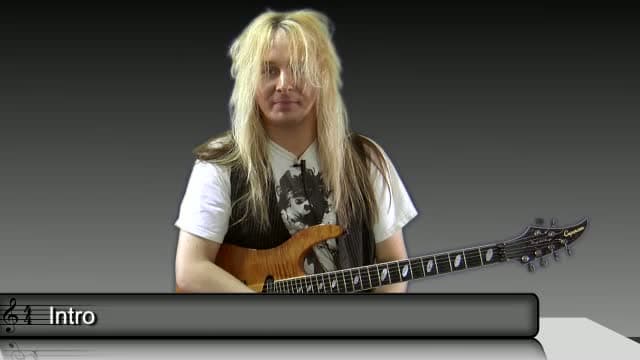
Torrins brings you an exciting guitar lesson on Insomnia by Rob Marcello, taught by the artist himself. This means you are learning the song's intricacies directly from the creator, giving you a unique insight into the techniques and creative choices behind this guitar masterpiece.
Fun Fact: Rob Marcello was quite young when he composed this song and admitted that he wasn’t fully familiar with advanced music theory at the time. While Insomnia may not have achieved mainstream chart success, it remains a respected piece within the guitar community.
Chords Used in Insomnia Guitar Lesson
- Intro: Intro is played in the key of G harmonic minor and uses a C minor arpeggio and triad. It also includes an F# chord along with other chords.
- Verse: Chords used: Gm, F/G. It’s a simple verse structure with basic licks. Practising this verse is a good exercise for picking accuracy.
- Chorus: In chorus, the key changes to C minor. This section involves arpeggios, sliding, and tapping
- Break Section: The key of G harmonic minor returns. It has a metal-style lick. One of the chords is a D chord.
- Classical Section: Has a key of G major. Ensure you have a clean note separation in this section. Tip: Lift each finger as you play.
- Pre-Solo Section: Some of the chords used are D major and E♭ major. This section involves sliding up the neck and is still in the key of G harmonic minor.
- First Solo: Base stays on G and includes F major arpeggio.
- Main Solo: It uses harmonic picking, a guitar technique where you pick a note while lightly touching the string to create a bright, bell-like overtone. The solo starts with blues licks played through a wah-wah pedal and follows a pentatonic blues box shape.
There are other segments in this song that cover Dominant 7 tapping lick, string skipping & pentatonic licks, and lastly, he ends the lesson by playing along with a backing track.
Why Learn Insomnia?
Insomnia is an excellent song for players looking to improve their left-hand legato, harmonic picking, and tapping techniques. It blends metal, blues, and classical influences, making it a well-rounded piece for guitarists aiming to develop technical precision and creative expression. It is better suited for advanced players.
Tips for Playing Insomnia:
- Pay attention to the rhythmic phrasing in the break section.
- Master the sliding and tapping techniques in the solos for a polished sound.
FAQs – Insomnia Guitar Lesson
Q1. Is this song beginner-friendly?
No, this lesson is suited for advanced players due to the complex techniques involved.
Q2. How can I master the classical section?
Ensure clean note separation by lifting each finger immediately after playing the note.

Introduction
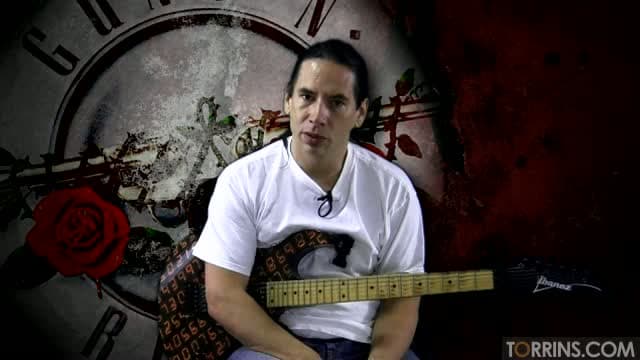
Tune into Torrins’ guitar song lesson on the iconic single by American rock band Guns N' Roses, Sweet Child O’ Mine. This chart-topping hard rock song is taught by our instructor, Mike Walker. He has broken down the lesson into 10 parts for a detailed understanding of each section and to make learning easier. Find dedicated lessons on the intro, verses, choruses, interlude solos, main solo, and outro.
Fun Fact: "Sweet Child O' Mine" was born out of a playful jam session at the band’s house. Slash was fooling around with a "circus" melody to make drummer Steven Adler laugh when Izzy Stradlin suggested turning it into a song. Within an hour, the band had crafted the core structure, and Axl Rose, inspired by his girlfriend Erin Everly, wrote the heartfelt lyrics by the following afternoon.
Chords Used in Sweet Child O' Mine Guitar Lesson
This song is played in half-step down tuning and features a mix of open chords and power chords. Some of the key chords used in the song include:
- C, D, Cadd9
- A power chord, Dsus4
Tune into the full lesson to learn all the chords and how to transition between them seamlessly.
Strumming Pattern
- Intermediate/advanced rhythm: Alternating strumming pattern with pull-off techniques for added depth
- A lick is layered over the chorus, and Mike walks you through how to blend it into the song smoothly
Song Structure
This song follows a well-defined verse-chorus format:
- Intro Riff – The iconic opening lick is based on a repetitive motion with just the first note changing. It’s repeated twice.
- Verse 1 & 2 – Follows an 8-bar phrase played twice using three chords. Incorporates a pull-off pattern. Mike breaks down the intricacies of the verses in great detail.
- Chorus – Mix of power chords and open chords like A power chord, C5, and Dsus4. A lick is played over the chorus for added texture.
- Solo 1 – The rhythm underneath the solo is half the length of the verse.
- Verse 2 – Similar to Verse 1.
- Chorus 2 – Same as Chorus 1.
- Solo 2 – A longer solo covering an entire verse.
- Chorus 3 – Double the length of the previous choruses.
- Outro Solo – Includes wah-wah pedal, hammer-ons, pull-offs, sliding, and some resting measures for dynamic effect.
Why Learn Sweet Child O' Mine?
This lesson covers not just the guitar parts but also the feel and dynamics that make the song iconic.
- Learn the nuances of Slash’s soloing style
- Improve your pull-offs and hammer-ons
- Master playing with a wah-wah pedal for expressive control
FAQs – Sweet Child O' Mine Guitar Lesson
Q1. Is this song beginner-friendly?
Ans: This lesson is ideal for intermediate and advanced players.
Q2. What’s the trick to mastering the intro riff?
Ans: Focus on the repetitive pattern and ensure the other strings are muted for a clean sound.