Introduction:
Dil Ko Tumse Pyar is a song millennials have grown to listen to in Indian households. It is one of the few songs from the early 2000s that stood the test of time, and even to this day, we can find this song added to our streaming playlist.
In addition, it is also a regular musical number on many radio stations, and every once in a while, we get to hear them play this wonderful track, which brings back so many good old memories of happier times.
Fun Fact: The music for the movie was composed by Harris Jayaraj. This movie was his Hindi debut as a composer. His compositions "Zara Zara," "Sach Keh Raha Hai," and "Dil Ko Tumse Pyar Hua" are now ranked as iconic songs.
Chords Used in Song Guitar Lesson
Arpeggios Verse & Chorus Chords: Given below is the G major arpeggio pattern, which you can use to play this song:
e|--------3--------
B|------0---0------
G|----0-------0----
D|-----------------
A|--2--------------
E|3----------------
Strumming Pattern
The strumming pattern for the song Dil Ko Tumse Pyar Hua is quite straightforward, gentle, and flowing. You can follow the pattern given below as it is for the best tunes possible: DD UU DU.
- D = Down Strum
- U = Up Strum
Song Structure
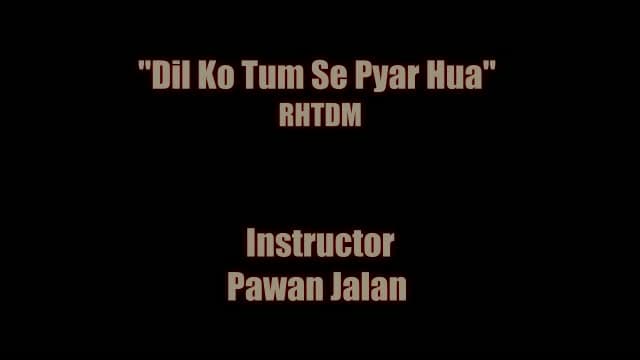
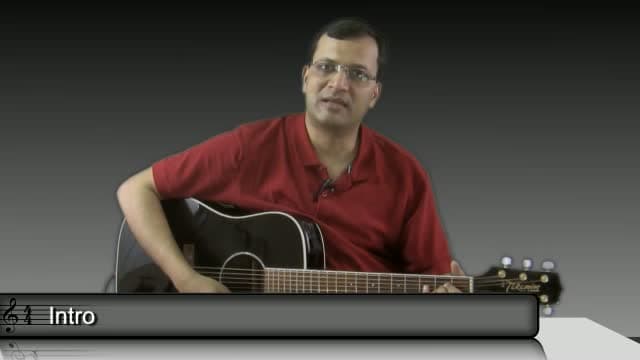
Introduction, Chords, and Rhythm: The instructor for this guitar lesson is going to be Pawan Jalan, who has 30 years of experience as a guitarist for several Bollywood tunes. Jalan is going to show you how to play the chord, and then comes the strumming pattern you will be using. Finally, Jalan is going to play the guitar parts of the song with the backing track.
Why Learn Dil Ko Tumse Pyar Hua Song On Guitar?
This song is all about being able to use the guitar as a means to provide the emotional death for which the song is known. The music can be easily played with the help of open chords, which also helps you learn about the smooth transition and how to control your strumming patterns.
The rhythm and the melody of the song that you will be following are slow and steady, making it easier for you to learn.
FAQs – This Song Guitar Lesson
Q1. Is it true that Rehnaa Hai Terre Dil Mein was a remake of some other Hollywood movie?
Ans. The movie is a remake of another film, but it was not from Hollywood. It was a remake of the Tamil film Minnale, which was also released in that year only.
Q2. Who sang Dil Ko Tumse Pyar Hua?
Ans. The composer of the song was Harris Jayaraj, the man behind the lyrics was Sameer, and the singer was Roop Kumar Rathod.
Q3. When was the movie Rehna Hai Tere Dil Mein released?
Ans. This movie was released on 19th October 2001.
Unlock Full Access to Lyrics & Chords with Torrins Membership
Unlock with premiumIntroduction:
Dil Ko Tumse Pyar is a song millennials have grown to listen to in Indian households. It is one of the few songs from the early 2000s that stood the test of time, and even to this day, we can find this song added to our streaming playlist.
In addition, it is also a regular musical number on many radio stations, and every once in a while, we get to hear them play this wonderful track, which brings back so many good old memories of happier times.
Fun Fact: The music for the movie was composed by Harris Jayaraj. This movie was his Hindi debut as a composer. His compositions "Zara Zara," "Sach Keh Raha Hai," and "Dil Ko Tumse Pyar Hua" are now ranked as iconic songs.
Chords Used in Song Guitar Lesson
Arpeggios Verse & Chorus Chords: Given below is the G major arpeggio pattern, which you can use to play this song:
e|--------3--------
B|------0---0------
G|----0-------0----
D|-----------------
A|--2--------------
E|3----------------
Strumming Pattern
The strumming pattern for the song Dil Ko Tumse Pyar Hua is quite straightforward, gentle, and flowing. You can follow the pattern given below as it is for the best tunes possible: DD UU DU.
- D = Down Strum
- U = Up Strum
Song Structure
Introduction, Chords, and Rhythm: The instructor for this guitar lesson is going to be Pawan Jalan, who has 30 years of experience as a guitarist for several Bollywood tunes. Jalan is going to show you how to play the chord, and then comes the strumming pattern you will be using. Finally, Jalan is going to play the guitar parts of the song with the backing track.
Why Learn Dil Ko Tumse Pyar Hua Song On Guitar?
This song is all about being able to use the guitar as a means to provide the emotional death for which the song is known. The music can be easily played with the help of open chords, which also helps you learn about the smooth transition and how to control your strumming patterns.
The rhythm and the melody of the song that you will be following are slow and steady, making it easier for you to learn.
FAQs – This Song Guitar Lesson
Q1. Is it true that Rehnaa Hai Terre Dil Mein was a remake of some other Hollywood movie?
Ans. The movie is a remake of another film, but it was not from Hollywood. It was a remake of the Tamil film Minnale, which was also released in that year only.
Q2. Who sang Dil Ko Tumse Pyar Hua?
Ans. The composer of the song was Harris Jayaraj, the man behind the lyrics was Sameer, and the singer was Roop Kumar Rathod.
Q3. When was the movie Rehna Hai Tere Dil Mein released?
Ans. This movie was released on 19th October 2001.
Unlock Full Access to Lyrics & Chords with Torrins Membership
Unlock with premiumExplore More in Bollywood Songs





Similar Indian Pop Songs

Songs with Similar Difficulty



Introduction:
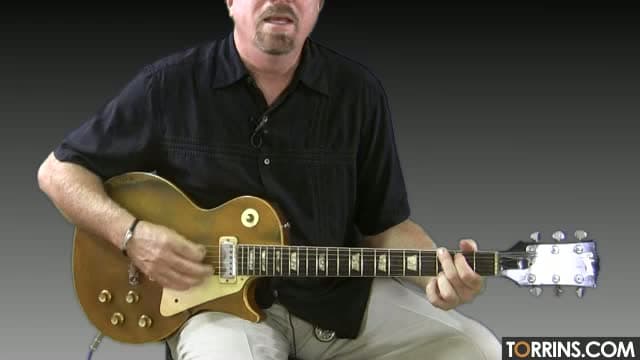
Looking to learn one of the most heartfelt love ballads ever written? Then this song tutorial of Eric Clapton’s hit song is a must-watch for you. This "Wonderful Tonight" guitar lesson, taught by Mike Dugan, breaks down the song into an easy-to-follow tutorial that’s perfect for both beginners and advanced players. Mike teaches you how to sing as well as play the song.
Fun Fact: Eric Clapton wrote "Wonderful Tonight" while waiting for his then-girlfriend, Pattie Boyd, to get ready for an event. Despite its simplicity, the song became his most downloaded track on Spotify, with over 480 million streams!
Chords Used in "Wonderful Tonight"
This lesson is taught in the key of G major, and it primarily uses open chords, making it accessible to beginners. Some of the main chords include:
- G
- Em
- D/F#
The lesson also covers additional chords and variations—tune in to discover them all!
Strumming Pattern & Rhythm Techniques
- Beginner-Friendly Strumming: Basic downstrums to ensure smooth transitions between chords.
- Advanced Strumming: The tutorial also covers a more complex strumming pattern used in the original recording. This involves subdivisions, where each beat is split into four 16th notes, creating a rhythmic groove with an alternate strumming pattern (DUDUDU) with accents.
- Special Techniques: The instructor introduces a unique method for adding accents, perfect for players looking to elevate their rhythm skills. Tune in to the lesson to learn how to do it.
Song Structure Breakdown
This tutorial follows the song’s original structure, making it easier to follow:
- Intro (played twice)
- Verse 1
- Intro section again
- Verse 2
- Bridge
- Intro played twice
- Verse 3 with a tag ending
- Intro played twice to fade out
Tip: The intro shares a similar progression to the first part of the verse, making it easier to grasp.
Walk-Down Technique & Chord Transitions
One of the standout features of this lesson is the walk-down technique, where the bass notes descend smoothly between chords. Mike provides a step-by-step breakdown of positioning complex chord shapes and making smooth transitions.
Sing & Play Lesson
Want to sing while playing? This lesson dedicates a section to teaching how to play and sing simultaneously, helping learners match their strumming with the song’s vocal phrasing.
Final Play-Along & Bonus Lesson
- The lesson ends with a play-along section featuring a backing track, allowing learners to practice the entire song with professional accompaniment.
- For a more in-depth approach to playing "Wonderful Tonight" in an authentic style, check out Steve Luciano’s version, which focuses on the intricacies of the guitar work of the song.
FAQs – "Wonderful Tonight" Guitar Lesson
Q1. Is this song beginner-friendly?
Yes! With just a few open chords and a straightforward rhythm, it’s perfect for beginners.
Q2. How can I improve my strumming for this song?
Start with basic downstrums, then work on the subdivided 16th-note pattern with accents for a more authentic feel.