Introduction

Hey Joe
Introduction
Chords and Basic Strumming
Advanced Strumming
Intro Riff
Sing and Play
Bass Line during Solo
Solo Lesson
Song Demo
Unlock Full Access to Lyrics & Chords with Torrins Membership
Unlock with premiumHey Joe
Introduction
Chords and Basic Strumming
Advanced Strumming
Intro Riff
Sing and Play
Bass Line during Solo
Solo Lesson
Song Demo
Unlock Full Access to Lyrics & Chords with Torrins Membership
Unlock with premiumExplore More in English Songs



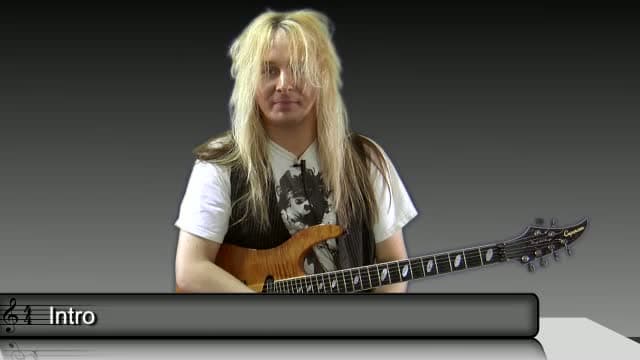
Introduction
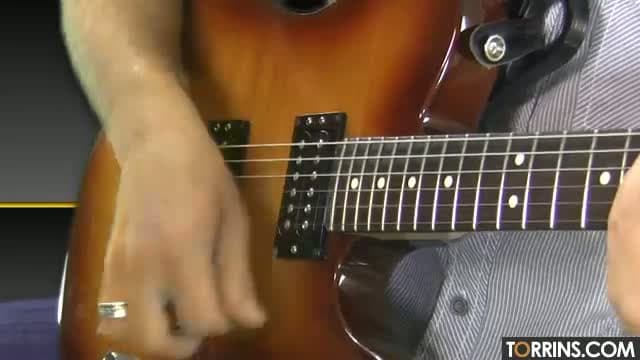
Torrins brings you an exciting guitar lesson on Insomnia by Rob Marcello, taught by the artist himself. This means you are learning the song's intricacies directly from the creator, giving you a unique insight into the techniques and creative choices behind this guitar masterpiece.
Fun Fact: Rob Marcello was quite young when he composed this song and admitted that he wasn’t fully familiar with advanced music theory at the time. While Insomnia may not have achieved mainstream chart success, it remains a respected piece within the guitar community.
Chords Used in Insomnia Guitar Lesson
- Intro: Intro is played in the key of G harmonic minor and uses a C minor arpeggio and triad. It also includes an F# chord along with other chords.
- Verse: Chords used: Gm, F/G. It’s a simple verse structure with basic licks. Practising this verse is a good exercise for picking accuracy.
- Chorus: In chorus, the key changes to C minor. This section involves arpeggios, sliding, and tapping
- Break Section: The key of G harmonic minor returns. It has a metal-style lick. One of the chords is a D chord.
- Classical Section: Has a key of G major. Ensure you have a clean note separation in this section. Tip: Lift each finger as you play.
- Pre-Solo Section: Some of the chords used are D major and E♭ major. This section involves sliding up the neck and is still in the key of G harmonic minor.
- First Solo: Base stays on G and includes F major arpeggio.
- Main Solo: It uses harmonic picking, a guitar technique where you pick a note while lightly touching the string to create a bright, bell-like overtone. The solo starts with blues licks played through a wah-wah pedal and follows a pentatonic blues box shape.
There are other segments in this song that cover Dominant 7 tapping lick, string skipping & pentatonic licks, and lastly, he ends the lesson by playing along with a backing track.
Why Learn Insomnia?
Insomnia is an excellent song for players looking to improve their left-hand legato, harmonic picking, and tapping techniques. It blends metal, blues, and classical influences, making it a well-rounded piece for guitarists aiming to develop technical precision and creative expression. It is better suited for advanced players.
Tips for Playing Insomnia:
- Pay attention to the rhythmic phrasing in the break section.
- Master the sliding and tapping techniques in the solos for a polished sound.
FAQs – Insomnia Guitar Lesson
Q1. Is this song beginner-friendly?
No, this lesson is suited for advanced players due to the complex techniques involved.
Q2. How can I master the classical section?
Ensure clean note separation by lifting each finger immediately after playing the note.









Similar Rock Songs

Introduction:
Torrins brings you an exciting guitar lesson "Wonderwall" by Oasis, taught by Mike McQuinn. This timeless classic is a must-learn for any guitarist, helping you master chord variations, strumming patterns, and how to play and sing simultaneously. Mike breaks down this song lesson into multiple lessons for easy learning - Introduction, Chords and Strumming, Sing and Play and Song Demo.
Fun Fact: In October 2020, "Wonderwall" became the first song from the 1990s to surpass one billion streams on Spotify. Today, it ranks as the second most-streamed song from that decade, following Nirvana's "Smells Like Teen Spirit”.
Chords Used in Wonderwall Guitar Lesson: The song is built around five essential chord patterns, which you’ll learn in detail in the song lesson. Some of the chords that make up this song are: G, Em7, Dsus4, A7Sus4, Cadd9. Tune in to the lesson to learn the rest.
One chord pattern includes a walk-down pattern for smooth transitions.
All chords are played with a capo on the 2nd fret
Strumming Pattern The primary strumming pattern is:
- DDUDUDDUDUDD (Repeats UDUDD three times and ends with UD)
- An alternate strumming pattern is used in the walk-down chord section—learn the difference in the lesson!
Song Structure & Breakdown This lesson is divided into multiple sections for easy learning:
- Introduction: This section has an overview of the lesson structure and key techniques.
- Chords & Strumming: This section includes all the chords used in this song, and Mike shares the five essential chord patterns that make up this song. He demonstrates how to transition smoothly. The song finishes with a repetitive lead part—Mike explains how to master it effortlessly. He shares tips to master the rhythm of the song.
- Sing & Play: Mike teaches how to coordinate vocals with guitar playing, gearing you up for jamming sessions!
- Song Demo: The song lesson ends with a full demonstration of the song to tie everything together.
Tip: Follow along with the Tabs provided with the song lesson for quick and effective learning.
Why Learn Wonderwall?
- Learning this song will help you improve chord transition and variation skills.
- It will also help you master rhythm consistency with its distinct strumming pattern.
- It will enhance your ability to play and sing simultaneously.
FAQs – Wonderwall Guitar Lesson
Q1. Is this song beginner-friendly?
Ans- Yes! The chords are slight variations to basic chords and are used repetitively, making it a great song for all skill levels.
Q2. Do I need a capo?
Ans- Yes, the song is played with a capo on the 2nd fret to match the original key.
Q3. How do I improve my strumming for this song?
Ans- Focus on maintaining a relaxed wrist and practice the primary strumming pattern slowly before speeding up.


Introduction
Tune into a classic Pink Floyd guitar lesson on Wish You Were Here at Torrins.com, led by our experienced tutor, Mike Dugan. He breaks down the lesson into various sections: Introduction, Intro Chords & Rhythm, Intro Lead, Verse & Chorus Lesson, Solo Improvisation, Arrangement & Playing with Backing Track.
Interesting Fact: In the song's intro, you can hear David Gilmour coughing and breathing heavily before the guitar kicks in. Rumour had it that Gilmour’s smoking habit caused the cough, and that he quit smoking afterwards out of frustration with the recording. But Gilmour later clarified he never smoked!
Mike plays the song using various open chords, including Em, Em7, G, A, and Am. Tune into the complete lesson to learn the rest of the chords that make up this song. This song is a great choice for both beginners and intermediate players.
Chords Used in "Wish You Were Here" Guitar Lesson
This song is played using simple open chords, making it accessible for both beginners and intermediate players. For intermediate players, Mike introduces some alternate chord voicings to stay true to the song’s original sound while adding a unique touch.
Strumming Pattern
The strumming pattern is beginner-friendly with consistent downstrums. For those wanting to level up, Mike shares an advanced rhythm that incorporates upstrums for a more dynamic feel.
Song Structure
"Wish You Were Here" follows a clear and structured arrangement:
- Intro: Lead + rhythm section (Mike provides a simpler alternative for beginners)
- Lead Riffs: Based on the E minor pentatonic scale and its extensions, featuring double stops and hammer-ons.
- Verse 1: Smooth chord transitions; beginners can use downstrums, while advanced players can follow the more complex rhythm.
- Solo: You can either repeat the intro solo or follow Mike’s improvisation using the E minor pentatonic scale.
- Verse 2: Similar to Verse 1, with consistent strumming and clean transitions.
- Final Solo: A concluding solo based on the intro lead and E minor pentatonic improvisation.
Improvisation Techniques
Mike teaches how to improvise using the E minor pentatonic scale. He also adds his own flair by playing it on the 12th fret in true David Gilmour style.
Singing Along
Mike also walks you through the singing component, helping you match the chord changes with the lyrics.
Pro Tip: Make use of tabs and lyrics for smoother learning.
Why Learn "Wish You Were Here"?
This lesson helps you improve your chord transitions and develop a smooth, expressive playing style. It's a great piece to master for solo and sing-along sessions. Plus, learning David Gilmour’s style will sharpen your improvisation skills.
Tips to Improve:
- Focus on clean chord transitions.
- Keep your strumming hand relaxed to maintain a steady rhythm.
FAQs – "Wish You Were Here" Guitar Lesson
Q1. Is this song beginner-friendly?
Yes! The chords are straightforward, and Mike provides a simplified version of the intro for beginners.
Q2. Can I just strum the song instead of fingerpicking?
Yes! You can simplify the song with consistent downstrums or follow the more advanced strumming pattern Mike shares.


Introduction
Tune into another guitar lesson on a popular Beatles song on Torrins.com, While My Guitar Gently Weeps written by George Harrison, taught by Mike Dugan. He makes learning this song fun, easy, and rewarding! He breaks this guitar song lesson into various sections like Introduction, Chords & Rhythm, Verse & Chorus (singing), Advanced Rhythm, and Solo Improvisation.
Fun Fact: George Harrison wrote While My Guitar Gently Weeps as an exercise in randomness after his return from India, where the Beatles studied Transcendental Meditation. Inspired by the idea that nothing is coincidental, he opened a book at random, saw the words "gently weeps," and turned them into one of his most iconic songs.
Chords Used in While My Guitar Gently Weeps Guitar Lesson
The guitar lesson on While My Guitar Gently Weeps is taught using chords like Am, Am/G, D7/F#, to name a few. It also involves some barre chords. Tune in to the complete guitar song lesson to know the rest of the chords that make up this song.
This version of While My Guitar Gently Weeps is played in the key of A minor. The song includes a mix of open and barre chords, adding depth and complexity to the arrangement.
The bridge introduces barre chords like C#m and F#m. Mike shares some great tips on transitioning between these barre chords smoothly, essential for mastering the flow of the song.
Strumming Pattern
For beginners, Mike keeps it simple with an easy 4-down-strum pattern that’s great for building confidence.
For intermediate and advanced players, he introduces a more intricate alternating rhythm:
DUDUDU – accenting beats two and four (like most rock songs) for a more dynamic feel.
Song Structure
The song follows a clear and repeatable structure that gives it a steady flow and allows for expressive variation. It begins with an intro, setting the tone before moving into Verse 1 and Verse 2, which establish the core melody and lyrical theme. The bridge introduces a vocal shift, featuring a touch of falsetto to accommodate the slightly higher notes, adding emotional lift and dynamic contrast. Following this, the guitar solo steps in, showcasing expressive phrasing built on the A minor pentatonic scale. The playing style, marked by smooth vibrato and a warm overdrive tone, is clearly inspired by Eric Clapton’s bluesy sensibilities. The structure then returns to the bridge and another verse, before easing into a jam section. This relaxed closing passage offers space for personal interpretation and creative improvisation, making it a satisfying conclusion to the track..
Mike teaches how to sync your singing with chord changes by accenting the words that align with the next chord. This makes it easier to play and sing simultaneously.
Improvisation Techniques
In the solo section, Mike offers a detailed breakdown of how to use the A minor pentatonic scale to craft expressive, personality-filled solos in the style of Eric Clapton.
He walks you through essential techniques like achieving smooth vibrato, bending notes accurately to stay in pitch, and adjusting your speed and tone to create a polished, professional sound. If vibrato has been a sticking point for you, Mike dedicates extra time to break down the technique in a way that's easy to grasp. And if you’re looking for more practice, our dedicated vibrato lessons are just a click away.
Why Learn While My Guitar Gently Weeps?
- Great choice of song for working on barre chord transitions.
- The solo section introduces you to classic rock licks, helping you develop a more expressive playing style.
Tips for Better Playing
- Keep your strumming hand moving consistently to maintain rhythm.
- Focus on clean chord transitions, especially in the bridge.
- Practice the solo slowly first, then build up speed gradually.
FAQs – While My Guitar Gently Weeps Guitar Lesson
Q1. Is this song beginner-friendly?
There is a beginner version of this song which focuses on a simple strumming pattern.
Q2. Do I need to use falsetto when singing the bridge?
It’s optional—but using falsetto adds a smoother tone. Mike shows how to adjust based on your vocal range.