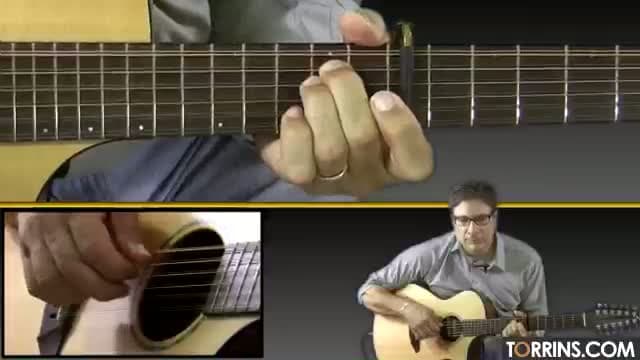
Song Demo
Hotel California - Introduction
Welcome to the guitar lesson on the acoustic version of one of the greatest songs of all time, Hotel California by The Eagles. This specific arrangement replaces the original electric instruments with nylon-string guitars, creating a different interpretation of the song. The track keeps the same chord progression and structure as the studio version but uses fingerpicking patterns and multiple guitar harmonies.
Hotel California, as writer Henley put it, is more of a symbolic piece about America in general, and added, “Lyrically, the song deals with traditional or classical themes of conflict: darkness and light, good and evil, youth and age, the spiritual versus the secular. I guess you could say it's a song about the loss of innocence”.
The song follows a narrative about a traveller staying at a mysterious hotel, with lyrics that some interpret as commentary on American culture, for instance, the most iconic line of the song being “you can check out anytime you like, but you can never leave”.
Hotel California Guitar Lesson
Hotel California guitar lesson is taught by our beloved expert, Mike Walker, who explains all the different sections of the song in a section-by-section manner, starting from the intro that talks about the chords and different voicings of those chords, through the acoustic overdubs and the guitar solo section.
The song features a number of minor 7ths, dominants, suspended and augmented chords. The intro alone covers all these variations of these chords. The tutor, nevertheless, goes into detail explaining how to play them using a fingerpicking pattern.
The song is written in B minor; the live acoustic version uses a capo on the 7th fret, making it an E minor. The intro follows a repeating progression of Em-B7-Dsus-A7-C-G-Am7-B7, which establishes the harmonic foundation.
Since this is an acoustic version of the song, played by multiple guitarists. There are a number of artistic motifs and embellishments using techniques like double stops, arpeggios, and most importantly, the individual guitarists harmonising with each other throughout the song.
The tutor explains all the solos of the song in great detail, the last of which features some of the notes from the harmonic minor scale, which carry a signature sound of the desert, or the Middle East. This lends itself literally to the theme of the narrative of the song.
FAQs
Q. Do I need a nylon-string guitar to play this version?
While the original recording uses nylon strings, you can play it on a steel-string acoustic. The tone will sound brighter, but the chords and techniques remain the same.
Q. Why is the capo on the 7th fret? Can I play it without one?
The capo transposes the chords to match the original key (B minor) and allows easier open-position shapes. Without a capo, you’ll need to play full barre chords in B minor.
Hotel California (Hell Freezes Over Album Live)
Introduction
Song Arrangement and Arpeggios
Song Demo
Intro Solo-Part 1
Intro Solo-Part 2
Intro Solo-Part 3
Acoustic Overdub-Part 1
Acoustic Overdub-Part 1-Response
Acoustic Overdub-Part 2
Acoustic Overdub-Part 3
Acoustic Overdub-Part 4
Acoustic Overdub-Part 5
Final Solo-Part 1
Final Solo-Part 2
Final Solo-Part 3
Final Solo-Part 4
Unlock Full Access to Lyrics & Chords with Torrins Membership
Unlock with premiumHotel California - Introduction
Welcome to the guitar lesson on the acoustic version of one of the greatest songs of all time, Hotel California by The Eagles. This specific arrangement replaces the original electric instruments with nylon-string guitars, creating a different interpretation of the song. The track keeps the same chord progression and structure as the studio version but uses fingerpicking patterns and multiple guitar harmonies.
Hotel California, as writer Henley put it, is more of a symbolic piece about America in general, and added, “Lyrically, the song deals with traditional or classical themes of conflict: darkness and light, good and evil, youth and age, the spiritual versus the secular. I guess you could say it's a song about the loss of innocence”.
The song follows a narrative about a traveller staying at a mysterious hotel, with lyrics that some interpret as commentary on American culture, for instance, the most iconic line of the song being “you can check out anytime you like, but you can never leave”.
Hotel California Guitar Lesson
Hotel California guitar lesson is taught by our beloved expert, Mike Walker, who explains all the different sections of the song in a section-by-section manner, starting from the intro that talks about the chords and different voicings of those chords, through the acoustic overdubs and the guitar solo section.
The song features a number of minor 7ths, dominants, suspended and augmented chords. The intro alone covers all these variations of these chords. The tutor, nevertheless, goes into detail explaining how to play them using a fingerpicking pattern.
The song is written in B minor; the live acoustic version uses a capo on the 7th fret, making it an E minor. The intro follows a repeating progression of Em-B7-Dsus-A7-C-G-Am7-B7, which establishes the harmonic foundation.
Since this is an acoustic version of the song, played by multiple guitarists. There are a number of artistic motifs and embellishments using techniques like double stops, arpeggios, and most importantly, the individual guitarists harmonising with each other throughout the song.
The tutor explains all the solos of the song in great detail, the last of which features some of the notes from the harmonic minor scale, which carry a signature sound of the desert, or the Middle East. This lends itself literally to the theme of the narrative of the song.
FAQs
Q. Do I need a nylon-string guitar to play this version?
While the original recording uses nylon strings, you can play it on a steel-string acoustic. The tone will sound brighter, but the chords and techniques remain the same.
Q. Why is the capo on the 7th fret? Can I play it without one?
The capo transposes the chords to match the original key (B minor) and allows easier open-position shapes. Without a capo, you’ll need to play full barre chords in B minor.
Hotel California (Hell Freezes Over Album Live)
Introduction
Song Arrangement and Arpeggios
Song Demo
Intro Solo-Part 1
Intro Solo-Part 2
Intro Solo-Part 3
Acoustic Overdub-Part 1
Acoustic Overdub-Part 1-Response
Acoustic Overdub-Part 2
Acoustic Overdub-Part 3
Acoustic Overdub-Part 4
Acoustic Overdub-Part 5
Final Solo-Part 1
Final Solo-Part 2
Final Solo-Part 3
Final Solo-Part 4
Unlock Full Access to Lyrics & Chords with Torrins Membership
Unlock with premiumExplore More in English Songs









Introduction:
Learn to play Elmore James' version of "It Hurts Me Too" with this detailed guitar lesson on Torrins.com taught by our instructor Mike Dugan. This classic 8-bar blues song features soulful melodies, a walking bassline, and the Delta blues technique, making it a must-learn for blues enthusiasts. This lesson includes chords, rhythm techniques, solo breakdowns, and a full song demo, with tabs and lyrics provided for a complete learning experience.
Fun Fact:
"It Hurts Me Too" is one of the most interpreted blues songs ever! Originally recorded by Tampa Red in 1940, Elmore James' recorded it once in 1957 and then in 1962. His 1962 version became a hit, staying on the Hot Rhythm & Blues Singles chart for eight weeks and even making its way to Billboard’s Bubbling Under Hot 100 Singles chart two years after his passing.
Chords & Rhythm in "It Hurts Me Too"
- Key: D
- Chords Used: D7, A7, and others. Tune into the lesson to learn the rest of the chords used.
- Rhythm Pattern: DUDDUDDUDDUD (He also teaches an alternative positioning for a different feel.
- For advanced players, a Chuck Berry-style rhythm is introduced to add a more dynamic groove.
- The Delta blues technique is broken down in detail, ensuring you capture the authentic blues sound.
Sing & Play Section
- The lesson covers how to match vocals with chord changes and maintain steady downbeat strumming.
- The punchline of each verse remains the same, making it easier to follow along while singing.
Solo Breakdown
- The solo begins in the D major blues scale, bringing a bright and melodic sound.
- After a few measures, it shifts into D minor pentatonic, adding emotional depth and contrast.
- Mike Dugan explains this major-to-minor blues transition, a technique that gives the song its signature feel.
Song Demo
- In this final section, Mike plays the full song with a backing track, bringing together all elements learned in the lesson. Follow along with him to learn the intricacies of this song perfectly.
Why Learn "It Hurts Me Too"?
This lesson is a great way to improve blues phrasing, rhythm control, and soloing techniques. Whether you're a beginner looking to learn essential blues progressions or an advanced player eager to refine your Delta blues technique, this song is an excellent addition to your repertoire.
FAQs – "It Hurts Me Too" Guitar Lesson
Q1. Is this lesson beginner-friendly?
Yes! The song uses simple chords, and the lesson breaks everything down step by step, making it accessible for all skill levels.
Q2. Can I play the song without singing?
Absolutely! The lesson teaches the instrumental parts separately, so you can focus on mastering the guitar before adding vocals.
Q3. How do I improve my blues soloing?
This lesson introduces a major-to-minor blues shift, a great technique for creating emotional and expressive solos. Practice this transition to add more depth to your playing. Moreover, you can also check out our in-depth Blues Guitar lessons to improve your skills.




Introduction
Learn to play Island In The Sun by an American rock band called Weezers with this beginner-friendly guitar tutorial, taught by our expert tutor, Steve Luciano. Master chords, rhythms, and backing tracks with ease.
Steve breaks this song down using just four simple chords—yes, only four—played in a repetitive pattern. Two of them? E minor and A minor. Want to learn the rest and master the rhythm that brings this song to life? Tune in to the full tutorial!
Chords Used in Island In The Sun Guitar Lesson
Verse & Chorus Chords: The verse and chorus use open string chords
The original version of the song is played using movable chords, however, Steve teaches this guitar song tutorial using open chords to ensure ease of playing for beginners.
Steve breaks down this song to play it using 4 easy chords used repetitively. However, the rhythm is slightly complex.
Strumming Pattern: This song follows a common 4/4 time signature with a two-measure pattern. Steve uses an anticipating rhythm to add syncopation on the upbeat, giving the song a more dynamic feel
For the intro part, the rhythm is slightly tricky– DDUDDUUDUDD.
However, as the vocal comes in, the rhythm becomes simpler and repeats in this pattern– DDUDDDDUDD
Since the rhythm of this is slightly more complex, Steve teaches this song using simple open string chords, instead of movable chords like the original version, so that it’s easier on the left hand. This gives an overall great groove to the song.
Why Learn Island in the Sun on the Guitar?
- This guitar lesson focuses on rhythm mastery, particularly syncopation and anticipating beats.
- Great for improving timing, strumming control, and chord switching.
- Provides a relaxed, island-like groove, making it fun to play.
Tips for Mastering the Rhythm
Start slow: Play the intro rhythm at a slower tempo and then gradually increase the speed.
- Use a metronome: It helps develop consistency, especially with anticipation and syncopation.
- Strum lightly: Overstrumming can kill the groove—aim for a relaxed wrist motion.
FAQs – Island In The Sun Guitar Lesson
Q1: Is this song beginner-friendly?
- Yes! Although the rhythm is slightly tricky, Steve simplifies it by using open chords instead of movable ones.
Q2: How can I improve my rhythm for this song?
- Focus on anticipation, follow Steve’s guidance, and practice with a metronome.
Similar Rock Songs







Introduction
Join our expert instructor, Bobby Koeble, for an in-depth lesson on "Always With Me, Always With You" by Joe Satriani. This song is a lyrical masterpiece known for its challenging legato-style licks and smooth melodic phrasing. This intermediate to advanced-level lesson will walk you through every section of the song, helping you master both the technical and emotional elements that make it so iconic.
Interesting fact: Joe Satriani wrote "Always With Me, Always With You" as a heartfelt tribute to his wife. Unlike many of his other complex, high-energy tracks, this song stands out for its melodic simplicity and emotional depth. Satriani has said that the song represents a peaceful and constant connection with his wife, capturing the feeling of always being together no matter the distance.
Bobby has broken down the song lesson into various sections for a detailed understanding.
- Introduction
- Separate lessons for Solo section 1-6
- Conclusion and backing track
Chords Used
This song is in the key of B major and follows a 3/4 time signature. Some of the key chords used are:
- B11 – Uses the E string for added depth.
- E major – Bobby teaches a unique fingering that differs from standard chord shapes.
- G# minor and F#sus4 – Essential for the song’s harmonic feel.
Tune into the song lesson to learn the rest of the chords that make up this song.
Strumming Pattern
The rhythm of this song is signature to the tune. It follows a strict 8-note rhythm with incorporated techniques such as:
- Palm muting
- Arpeggios
- Sliding
Bobby also shares alternative ways to approach the rhythm so you can find what works best for you.
Song Structure
This song features a flowing, solo-driven structure:
Intro: It has a lyrical melody featuring legato-style licks
Solo Section 1: It is played in the key of B major and incorporates harmonics, vibrato, and sliding.
Solo Section 2: Moves higher up the neck and incorporates heavy use of vibrato and smooth phrasing.
Solo Section 3: This section has a harmony and melody change and is slightly longer and more complex. It introduces left-hand legato techniques.
Solo Section 4: Main melody moves up an octave and incorporates two-handed tapping.
Solo Section 5: It is the most rhythmically challenging part that includes double stops and varied phrasing.
Solo Section 6: Returns to the earlier melody with subtle variations in slide and inflexion. It has a fast legato-based lick to close out.
Outro: Bobby wraps up the lesson by playing along with the backing track
Why Learn This Song?
- Master left-hand legato techniques
- Develop precise control over sliding and vibrato
- Incorporate bluesy elements into your playing
- Build confidence with soloing and tapping
FAQs- Always With Me, Always With You Song Guitar Lesson
Q1. Is this song suitable for beginners?
No, this lesson is best for intermediate to advanced players due to the complex legato and tapping techniques.
Q2. How can I improve my sliding and vibrato?
Focus on timing and pressure consistency. Bobby shares detailed tips on mastering both.