Beginners Version

Introduction:
I See Fire is a song written and composed for the movie The Hobbit: The Desolation of Smaug. The song is played over the closing credits of the movie. After its release, the song was able to climb to the 13th spot in the UK Singles Chart and in New Zealand it was able to reach number 1 in just six weeks of time.
Chords Used in Song Guitar Lesson:
Arpeggios Verse & Chorus Chords: You will be following basic arpeggios picking for this song, and this is what you need to follow in order to create a simple yet attractive progression:
e|------0---------0------|
B|------0---------0------|
G|----0---0-----0---0----|
D|-----------2-----------|
A|--2--------------------|
E|-----------------------|
Strumming Pattern:
This one is primarily a fingerpicking song, but in case you wish to play the strumming pattern you can follow this: D D U U D U.
- D = Down strum
- U = Up strum
Song Structure:
Introduction: In this introduction, Mike Luciano, your guitar instructor is going to share why everyone needs to learn this song, and where, and why you should be putting the capo on
guitar like Ed does.
Intro Lick and Song Arrangement: In this section, Mike shows you how to play the intro licks for the song and how to use hammer-on and pull-off techniques with your first and third fingers. Along with this, you will learn the entire song arrangement as well.
Song Demo: This section shows you how to play the song with the backing track played alongside.
Beginners Version: If you are not able to play with new techniques which you have learned in this guitar lesson you can also try the beginner friendly version of I See Fire by Ed Sheeran which is mentioned in this part.
Why Learn I See Fire By Ed Sheeran?
I See Fire take the full advantage of acoustic fingerpicking which is something perfect for beginner guitar players to start with. This song will also help you in building dexterity, accuracy, and finger independence as you play. Furthermore, it’s a great introduction to the thumb-bass technique, along with melodic picking.
FAQs I see fire Guitar Lesson
Q1. What was the reason behind Ed Sheeran's writing I See Fire?
Ans. It was Peter Jackon, the director of The Hobbit, who asked Ed Sheeran to come up with a song for a kid’s movie. Sheeran saw the movie and started working on the song.
Q2. What other songs are out there which sound similar to I See Fire?
Ans. There is a huge library of Ed’s songs, which sounds pretty familiar, starting with Eyes Closed, Give Me Love, Happier, Shivers, and Beautiful People.
Q3. Which song is Ed Sheeran’s biggest hit?
Ans. Without a doubt it has to be “Perfect,” this particular song topped charts in more than 18 different countries, making him one of the most loved artist all around the globe.
Fun Fact: The song I See Fire was written, composed, and recorded on the same day. After Ed Sheeran watched the entire film The Hobbit for which the song was officially released on 5th November 2013. He sat down to write the lyrics and his flow made him finish composition and recording of the song in just 24 hours.
I See Fire
Introduction
Intro Lick and Song Arrangement
Song Demo
Beginners Version
Unlock Full Access to Lyrics & Chords with Torrins Membership
Unlock with premiumIntroduction:
I See Fire is a song written and composed for the movie The Hobbit: The Desolation of Smaug. The song is played over the closing credits of the movie. After its release, the song was able to climb to the 13th spot in the UK Singles Chart and in New Zealand it was able to reach number 1 in just six weeks of time.
Chords Used in Song Guitar Lesson:
Arpeggios Verse & Chorus Chords: You will be following basic arpeggios picking for this song, and this is what you need to follow in order to create a simple yet attractive progression:
e|------0---------0------|
B|------0---------0------|
G|----0---0-----0---0----|
D|-----------2-----------|
A|--2--------------------|
E|-----------------------|
Strumming Pattern:
This one is primarily a fingerpicking song, but in case you wish to play the strumming pattern you can follow this: D D U U D U.
- D = Down strum
- U = Up strum
Song Structure:
Introduction: In this introduction, Mike Luciano, your guitar instructor is going to share why everyone needs to learn this song, and where, and why you should be putting the capo on
guitar like Ed does.
Intro Lick and Song Arrangement: In this section, Mike shows you how to play the intro licks for the song and how to use hammer-on and pull-off techniques with your first and third fingers. Along with this, you will learn the entire song arrangement as well.
Song Demo: This section shows you how to play the song with the backing track played alongside.
Beginners Version: If you are not able to play with new techniques which you have learned in this guitar lesson you can also try the beginner friendly version of I See Fire by Ed Sheeran which is mentioned in this part.
Why Learn I See Fire By Ed Sheeran?
I See Fire take the full advantage of acoustic fingerpicking which is something perfect for beginner guitar players to start with. This song will also help you in building dexterity, accuracy, and finger independence as you play. Furthermore, it’s a great introduction to the thumb-bass technique, along with melodic picking.
FAQs I see fire Guitar Lesson
Q1. What was the reason behind Ed Sheeran's writing I See Fire?
Ans. It was Peter Jackon, the director of The Hobbit, who asked Ed Sheeran to come up with a song for a kid’s movie. Sheeran saw the movie and started working on the song.
Q2. What other songs are out there which sound similar to I See Fire?
Ans. There is a huge library of Ed’s songs, which sounds pretty familiar, starting with Eyes Closed, Give Me Love, Happier, Shivers, and Beautiful People.
Q3. Which song is Ed Sheeran’s biggest hit?
Ans. Without a doubt it has to be “Perfect,” this particular song topped charts in more than 18 different countries, making him one of the most loved artist all around the globe.
Fun Fact: The song I See Fire was written, composed, and recorded on the same day. After Ed Sheeran watched the entire film The Hobbit for which the song was officially released on 5th November 2013. He sat down to write the lyrics and his flow made him finish composition and recording of the song in just 24 hours.
I See Fire
Introduction
Intro Lick and Song Arrangement
Song Demo
Beginners Version
Unlock Full Access to Lyrics & Chords with Torrins Membership
Unlock with premiumExplore More in English Songs

Introduction
Tune in to a detailed guitar song lesson on What It’s Like, a single by the American musician, Everlast. This 1998’s release was the lead single from his second studio album called Whitey Ford Sings the Blues.
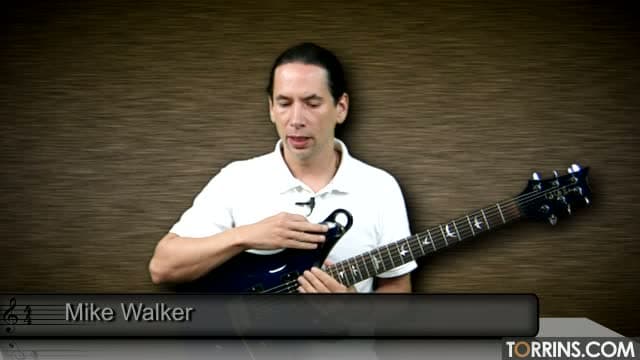
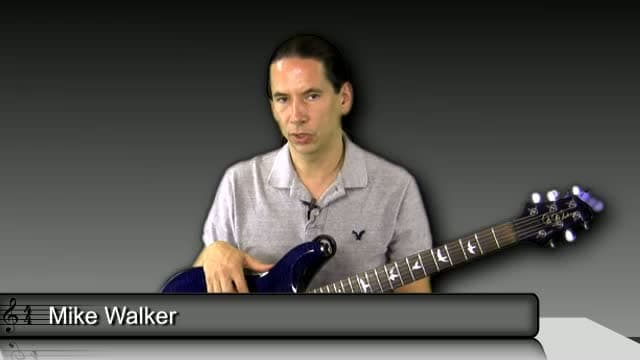
This guitar song lesson is taught by Mike Walker, an experienced musician and instructor at Torrins. He breaks the lesson down into sections: Introduction, Intro Chord Progression, Verse & Chorus, Arrangement, Interlude, and Outro.
Mike Walker teaches the What It’s Like Song guitar lesson using just 3 chords, two of which are Dm and C. No capo is needed!
Chords Used in What It's Like Guitar Lesson
- This song primarily revolves around three simple chords, making it accessible for players of all levels.
- The strumming pattern follows a DDU rhythm, adding a steady groove.
Strumming & Picking Techniques
The song subtly blends strumming and arpeggiation, giving it a dynamic and textured feel. The intro is centered around a D minor chord, with the occasional addition of Dsus4 to introduce subtle variation. Arpeggiated picking is used here to create a melodic and flowing texture, setting the tone for the rest of the song.
In the verse, the D minor chord continues to anchor the progression, while an arpeggiated riff adds depth and makes it more rhythmic.
Moving into the chorus, the strumming follows a consistent DDU (Down-Down-Up) pattern, repeated four times. On the fourth repetition, however, there’s a variation introduced at the end which is a distinctive 8-note strum pattern that adds energy and creates a pumping, driving effect.
Song Structure & Arrangement
The song builds gradually, with familiar sections repeating and subtle changes keeping things interesting. Here's a simple breakdown of how the song flows:
- Intro: A catchy opening riff sets the mood and is played four times.
- Verse 1: The main melody kicks in and repeats six times, helping you settle into the groove.
- Chorus: This part brings in energy. It’s played four times, with a twist added on the fourth round to keep things fresh.
- Interlude: A gentle picking section gives you a short breather before heading back into the main theme.
- Verse 2: Similar to the first verse, but extended — this time it's played eight times.
- Chorus: Returns with the same pattern, repeated four times.
- Bridge: Feels like a throwback to the intro, but with a longer run — played six times.
- Verse 3: Back again for eight repetitions.
- Final Chorus: Played three times as the song winds down.
- Outro: The song gradually fades out, giving it a smooth ending.
Mike shares a tip for those struggling with Fmaj7? Try leading with your third finger—this helps you get the note covered first, giving you an extra split second to position the rest of your fingers.
Why Learn What It’s Like?
- This lesson covers both strumming and fingerpicking, making it great for building dexterity.
- The song’s structure teaches you how to transition smoothly between sections and add dynamics to your playing.
- This song is a fantastic example of storytelling through music, giving you a chance to add emotion to your performance.
FAQs – What It’s Like Guitar Lesson
- Q1: Is this song beginner-friendly?
- Yes! While the Fmaj7 chord can be tricky, the slow tempo and repetitive structure make it easier to master.
- Q2: How can I improve my arpeggiation?
- Start slow, focus on even picking, and gradually increase speed.
- Q3: Do I need a capo?
- No capo is required for this version.
Fun Fact: The song became Everlast’s biggest solo hit after he left the trio House of Pain and transitioned from rap to a bluesy, acoustic hip-hop style, which was a bold and unexpected move at the time!







Similar Pop Songs


Introduction:
Torrins brings you an exciting guitar lesson "Just The Way You Are" by Bruno Mars, taught by expert instructor Mike Walker. This beautiful and heartfelt song is known for its simplicity and emotional depth, making it a great choice for both beginners and intermediate players. In this lesson, you'll learn two different ways to play this song with and without a capo along with essential strumming techniques and dynamics.
Fun Fact: "Just The Way You Are" was Bruno Mars' debut solo single, earning him the Grammy Award for Best Male Pop Vocal Performance at the 53rd Annual Grammy Awards. This song marked the beginning of his rise to global stardom!
Chords Used in Just The Way You Are Guitar Lesson
With Capo (3rd fret):
- Mike demonstrates how to play the song with chords like Bm, Double Stack G, and others.
- The non-capo version of the song includes just a handful of chords, with one being a barre chord (Bm). However, Mike Walker demonstrates an easy way to play it, making it accessible for all skill levels.
Without Capo:
- Bb (barre chord), F, and others.
- This version features slightly trickier chord shapes, but the lesson breaks down smooth transitions between them.
Strumming Pattern
The song follows a consistent and simple strumming pattern: DDDUDUDD.
Mike explains how to approach string roots and strumming accents to enhance your playing. Tune in to the lesson to learn these techniques in detail.
Pro Tip: Since the song is highly repetitive, dynamics play a crucial role. Dynamics keep the song engaging and expressive. The verse is played slightly louder than the chorus to create contrast and keep the song engaging.
Capo vs. Non-Capo Version
This lesson provides two approaches:
- Capo Version: A beginner-friendly arrangement with simple chord transitions.
- Non-Capo Version: A slightly more advanced version with barre chords and intricate transitions.
Mike plays both versions along with a backing track to help tie everything together. The lyrics provided with the guitar tutorial help you follow along seamlessly, making it easier to match your playing with the vocal phrasing and timing.
Why Learn Just The Way You Are?
This lesson is perfect for players who want to master song dynamics and strumming consistency. You'll also gain experience with barre chords, making it a great stepping stone toward more advanced playing.
FAQs – Just The Way You Are Guitar Lesson
Q1. Is this song beginner-friendly?
A: Yes! The capo version makes it accessible, while the non-capo version challenges intermediate players.
Q2. Do I need a capo?
A: No, but the capo version simplifies chord shapes and makes the song easier to play.
Q4. What if I struggle with the barre chords?
A: Mike demonstrates easy ways to tackle the barre chords and some tips for smooth transitions and finger positionings.