Song Arrangement

Introduction
In My City is the debut song from Indian actress Priyanka Chopra featuring Will.i.am. The song was co-written by Ester Dean, who also provides his voice for additional vocals.
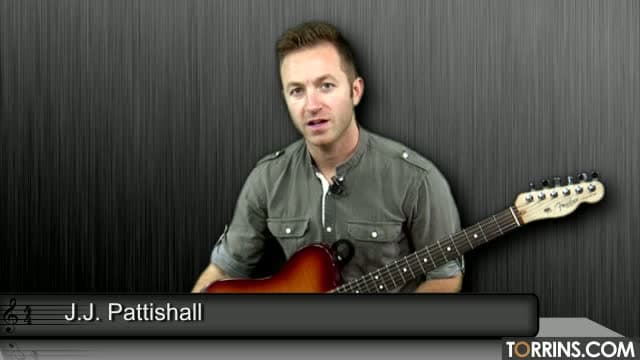
Priyanka gives homage to her nomadic childhood and shows her journey from a small-town girl to a big Bollywood star. This isn’t a guitar song in the first place, but J.J. Pattishall is going to teach you how to turn it into a guitar song.
In this video lesson J.J. Pattishall teaches how to play the song In My City as part of our guitar series on English songs. The song is broken down into multiple lessons for easy learning - Introduction, Chords and Rhythm, Song Arrangement and Song Demo. Don't forget to make use of the chords and tabs provided with the song lesson!
Song Structure
Introduction: In this part, J.J. Pattishall talks about how this song is a unique dance number and the influence of singer/ DJ Will.i.am makes the song upbeat, similar to the songs from Black Eyed Peas. In this section, you will also learn the tuning of the guitar for this song.
Chords and Rhythm: Here, you will learn the outline of the chords and the rhythm that you are going to use in the song. Furthermore, you will get to know how to improvise guitar playing in this song to make it more interesting.
Song Arrangement: In this section, you will be learning how to play the chords of Will.i.am, part of the song.
Song Demo: This is the last section where your guitar instructor is going to show you how to play the guitar section alongside the song.
In My City
Introduction
Chords and Rhythm
Song Arrangement
Song Demo
Unlock Full Access to Lyrics & Chords with Torrins Membership
Unlock with premiumIntroduction
In My City is the debut song from Indian actress Priyanka Chopra featuring Will.i.am. The song was co-written by Ester Dean, who also provides his voice for additional vocals.
Priyanka gives homage to her nomadic childhood and shows her journey from a small-town girl to a big Bollywood star. This isn’t a guitar song in the first place, but J.J. Pattishall is going to teach you how to turn it into a guitar song.
In this video lesson J.J. Pattishall teaches how to play the song In My City as part of our guitar series on English songs. The song is broken down into multiple lessons for easy learning - Introduction, Chords and Rhythm, Song Arrangement and Song Demo. Don't forget to make use of the chords and tabs provided with the song lesson!
Song Structure
Introduction: In this part, J.J. Pattishall talks about how this song is a unique dance number and the influence of singer/ DJ Will.i.am makes the song upbeat, similar to the songs from Black Eyed Peas. In this section, you will also learn the tuning of the guitar for this song.
Chords and Rhythm: Here, you will learn the outline of the chords and the rhythm that you are going to use in the song. Furthermore, you will get to know how to improvise guitar playing in this song to make it more interesting.
Song Arrangement: In this section, you will be learning how to play the chords of Will.i.am, part of the song.
Song Demo: This is the last section where your guitar instructor is going to show you how to play the guitar section alongside the song.
In My City
Introduction
Chords and Rhythm
Song Arrangement
Song Demo
Unlock Full Access to Lyrics & Chords with Torrins Membership
Unlock with premiumExplore More in English Songs
Introduction
Learn the famous “I Shot the Sheriff” on Torrins, led by our expert instructor Steve Luciano, who has decades of experience playing and teaching guitar. “I Shot the Sheriff” is originally a reggae song written by Bob Marley and released in 1973 with his band, The Wailers. However, you'll be playing Eric Clapton’s version of this song with Steve on Torrins.com. Eric recorded his cover in 1974 for his album 461 Ocean Boulevard. His performance of the song adds soft rock to the reggae sound, giving it a unique feel.
The difficulty level of this guitar lesson ranges from beginner to intermediate and breaks down the chords, rhythm, structure, and strumming pattern in a simple yet engaging way! So, tune in and unfold the magic of this hit cover!
Steve Luciano teaches the I Shot The Sheriff Song guitar lesson using 4 movable chords: Gm, Cm, Eb, and Dm. No capo is needed!
Chords Used in I Shot the Sheriff Guitar Lesson
This song is played using movable chords, which are common in reggae music.
Chords used: Gm, Cm, Eb, Dm
Steve teaches essential finger positioning and movement techniques to help make chord transitions smoother. He also demonstrates how to lighten finger pressure to achieve the signature reggae "deadening" effect on the strings.
Strumming Pattern
Pattern: D-U-D-U
- Like other reggae songs, this one emphasizes playing on the downbeat but feeling the upbeat to capture its groove.
- It’s good if you practice the chords first before adding rhythm, as some transitions can be tricky.
Song Structure
This song follows a verse-chorus format:
- Verse: The beginning of the song primarily uses Gm and Cm chords.
- Chorus: Introduces the Eb chord, which can be challenging for some players. Steve demonstrates easier ways to play Eb, particularly for those with larger fingers.
- The chorus chord progression repeats five times.
- At the end of the chorus, there's a signature single-note tag based on the Gm pentatonic scale. This lick is played each time the chorus ends.
Improvisation Techniques
- The song features a signature lick at the end of the chorus, based on the Gm pentatonic scale. Steve breaks down how to play the notes smoothly to maintain the song’s groove.
Why Learn I Shot the Sheriff on Guitar?
- Learning this song can help you master movable chord shapes commonly used in reggae.
- It will also help you improve reggae-style strumming and chord muting techniques.
- Additionally, it provides insight into lead guitar phrasing with the signature pentatonic lick.
Tips for Playing the Song Smoothly
- Practice chord transitions first before adding strumming.
- Loosen your grip to achieve the proper reggae deadening effect.
- Feel the upbeat while strumming for an authentic reggae sound.
FAQs – I Shot the Sheriff Guitar Lesson
Q1. Is this song beginner-friendly?
A: It’s suitable for intermediate players, as it uses movable chords, which may be challenging for beginners.
Q2. What if I struggle with the Eb chord?
A: Steve demonstrates easier alternatives for players who find it difficult, especially those with larger fingers.
Fun Fact: “I Shot the Sheriff” was originally a spiritual metaphor for birth control, though Bob Marley never revealed which lyrics were true. Eric Clapton’s 1974 cover became a massive hit, introducing Marley’s music to rock audiences worldwide. While Marley was happy with the cover, he was frustrated that the song was widely misinterpreted as an anthem against injustice and corruption rather than its original meaning.








Introduction:
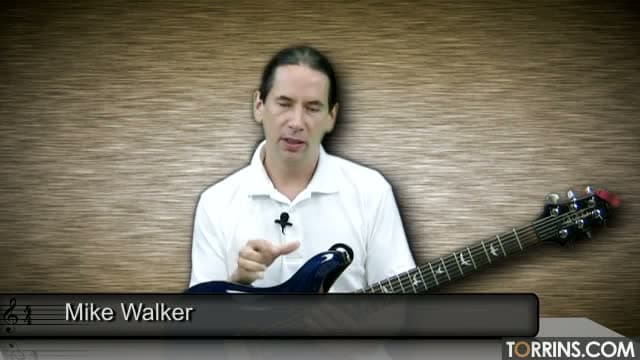
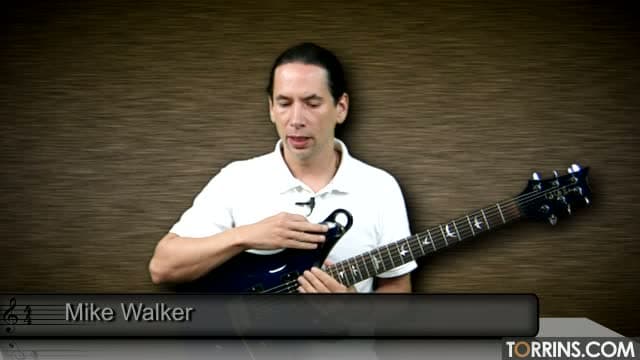
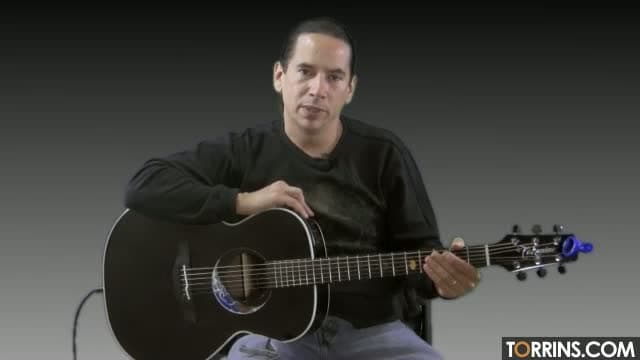
Torrins brings you an exciting guitar lesson "Just The Way You Are" by Bruno Mars, taught by expert instructor Mike Walker. This beautiful and heartfelt song is known for its simplicity and emotional depth, making it a great choice for both beginners and intermediate players. In this lesson, you'll learn two different ways to play this song with and without a capo along with essential strumming techniques and dynamics.
Fun Fact: "Just The Way You Are" was Bruno Mars' debut solo single, earning him the Grammy Award for Best Male Pop Vocal Performance at the 53rd Annual Grammy Awards. This song marked the beginning of his rise to global stardom!
Chords Used in Just The Way You Are Guitar Lesson
With Capo (3rd fret):
- Mike demonstrates how to play the song with chords like Bm, Double Stack G, and others.
- The non-capo version of the song includes just a handful of chords, with one being a barre chord (Bm). However, Mike Walker demonstrates an easy way to play it, making it accessible for all skill levels.
Without Capo:
- Bb (barre chord), F, and others.
- This version features slightly trickier chord shapes, but the lesson breaks down smooth transitions between them.
Strumming Pattern
The song follows a consistent and simple strumming pattern: DDDUDUDD.
Mike explains how to approach string roots and strumming accents to enhance your playing. Tune in to the lesson to learn these techniques in detail.
Pro Tip: Since the song is highly repetitive, dynamics play a crucial role. Dynamics keep the song engaging and expressive. The verse is played slightly louder than the chorus to create contrast and keep the song engaging.
Capo vs. Non-Capo Version
This lesson provides two approaches:
- Capo Version: A beginner-friendly arrangement with simple chord transitions.
- Non-Capo Version: A slightly more advanced version with barre chords and intricate transitions.
Mike plays both versions along with a backing track to help tie everything together. The lyrics provided with the guitar tutorial help you follow along seamlessly, making it easier to match your playing with the vocal phrasing and timing.
Why Learn Just The Way You Are?
This lesson is perfect for players who want to master song dynamics and strumming consistency. You'll also gain experience with barre chords, making it a great stepping stone toward more advanced playing.
FAQs – Just The Way You Are Guitar Lesson
Q1. Is this song beginner-friendly?
A: Yes! The capo version makes it accessible, while the non-capo version challenges intermediate players.
Q2. Do I need a capo?
A: No, but the capo version simplifies chord shapes and makes the song easier to play.
Q4. What if I struggle with the barre chords?
A: Mike demonstrates easy ways to tackle the barre chords and some tips for smooth transitions and finger positionings.


Similar Rock Songs
Introduction:
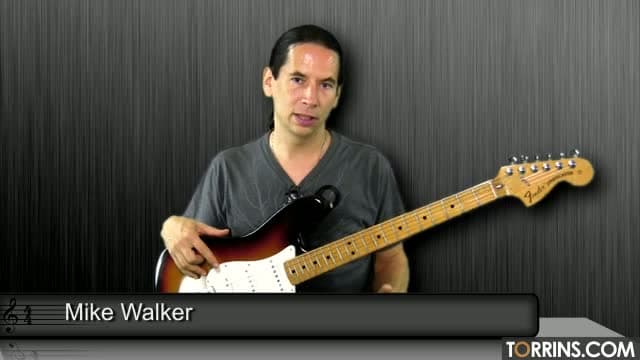
Torrins brings you a detailed lesson on Hotel California by The Eagles, taught by Mike Walker. This song is a rock guitar masterpiece, featuring multiple guitar parts, intricate solos, and the signature 12-string acoustic intro that every guitarist wants to master.
To ensure a smooth learning experience, this lesson includes tabs and lyrics and breaks down each guitar part step by step.
Fun Fact: In 1998, during their induction into the Rock and Roll Hall of Fame, all seven Eagles members performed Hotel California together for the only time ever.
Chords, Rhythm, & Song Arrangement
This lesson covers multiple guitar parts, from acoustic rhythm to electric lead work.
- Guitar 1: The 12-string acoustic intro played by Steve Luciano.
- Guitar 2: Played on an acoustic guitar, covering the main chord progression with precise picking patterns. This part starts with an open D chord and moves through a D major triad.
- Chords Used: D, Em, F#m, Bm, and more. Mike breaks down which strings to leave open and which to mute for the perfect sound.
- Guitar 3 (Reggae Section): A muted electric guitar rhythm that appears in the verse section. Played in the key of B minor, with movable F# and E9 chords. It also has some inverted chords. The strumming pattern follows a downstroke with an open fretboard, followed by a down-up motion. Tune into the learn it seamlessly by the pro!
- Guitar 4 (Muted Clean Part): A subtle section that introduces muting techniques and power chords, adding to the song's dynamic feel.
- Guitar 5 & Guitar 6: These sections introduce lower and higher harmonies, reinforcing the layered guitar arrangement.
Mike walks through each of these sections in detail, ensuring you can replicate the exact feel of the original recording.
Lead Guitar-Licks & Solos
- Overdub Licks: The first chorus features a double-stop lick with hammer-ons and pinch harmonics.
- Three Guitar Solos: The solos blend B minor pentatonic, B minor, and B harmonic minor scales. Some licks focus on bends, slides, and expressive phrasing.
- Outro Solo: Features two interwoven guitar parts, with the first part built around arpeggios like the B minor arpeggio.
Mike takes you through each solo note by note, showing how to nail the tone and phrasing of this legendary song.
Beginner-Friendly Chord Progression
If you're not ready to tackle all the guitar layers, Mike provides a simplified chord progression that lets beginners play along with the song.
- Chords Used: A, E, F#m, Em, and others.
- Alternative Strumming Pattern: A beginner-friendly rhythm variation to match the song’s feel.
Why Learn Hotel California?
- Essential for Rock Guitarists – It is one of the most recognizable intros and solos in rock history.
- Teaches Advanced Techniques – This song includes various techniques like fingerpicking, muting, harmony lines, and expressive soloing.
- Perfect for Rhythm & Lead Players – The song covers both acoustic strumming and intricate lead work.
FAQs – Hotel California Guitar Lesson
Q1: Is this lesson beginner-friendly?
While the original song is challenging, the lesson includes simpler chord progressions and rhythm parts for beginners.
Q2: What techniques will I learn?
Muted strumming, harmony playing, arpeggios, lead phrasing, and solo improvisation techniques.

Introduction
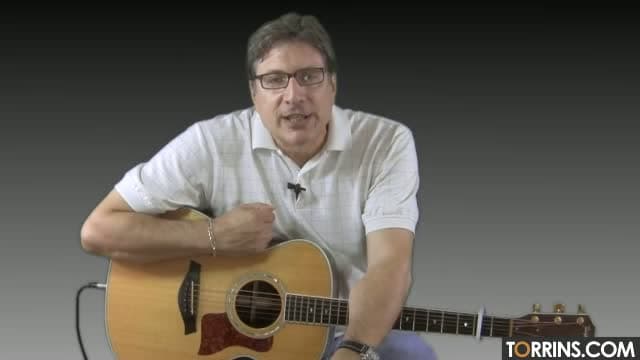
Join our expert instructor, Bobby Koeble, for an in-depth lesson on "Always With Me, Always With You" by Joe Satriani. This song is a lyrical masterpiece known for its challenging legato-style licks and smooth melodic phrasing. This intermediate to advanced-level lesson will walk you through every section of the song, helping you master both the technical and emotional elements that make it so iconic.
Interesting fact: Joe Satriani wrote "Always With Me, Always With You" as a heartfelt tribute to his wife. Unlike many of his other complex, high-energy tracks, this song stands out for its melodic simplicity and emotional depth. Satriani has said that the song represents a peaceful and constant connection with his wife, capturing the feeling of always being together no matter the distance.
Bobby has broken down the song lesson into various sections for a detailed understanding.
- Introduction
- Separate lessons for Solo section 1-6
- Conclusion and backing track
Chords Used
This song is in the key of B major and follows a 3/4 time signature. Some of the key chords used are:
- B11 – Uses the E string for added depth.
- E major – Bobby teaches a unique fingering that differs from standard chord shapes.
- G# minor and F#sus4 – Essential for the song’s harmonic feel.
Tune into the song lesson to learn the rest of the chords that make up this song.
Strumming Pattern
The rhythm of this song is signature to the tune. It follows a strict 8-note rhythm with incorporated techniques such as:
- Palm muting
- Arpeggios
- Sliding
Bobby also shares alternative ways to approach the rhythm so you can find what works best for you.
Song Structure
This song features a flowing, solo-driven structure:
Intro: It has a lyrical melody featuring legato-style licks
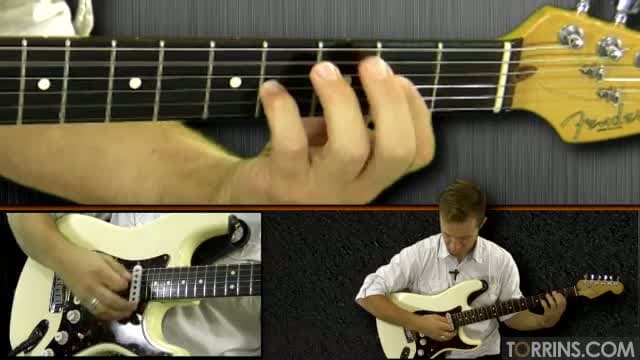
Solo Section 1: It is played in the key of B major and incorporates harmonics, vibrato, and sliding.
Solo Section 2: Moves higher up the neck and incorporates heavy use of vibrato and smooth phrasing.
Solo Section 3: This section has a harmony and melody change and is slightly longer and more complex. It introduces left-hand legato techniques.
Solo Section 4: Main melody moves up an octave and incorporates two-handed tapping.
Solo Section 5: It is the most rhythmically challenging part that includes double stops and varied phrasing.
Solo Section 6: Returns to the earlier melody with subtle variations in slide and inflexion. It has a fast legato-based lick to close out.
Outro: Bobby wraps up the lesson by playing along with the backing track
Why Learn This Song?
- Master left-hand legato techniques
- Develop precise control over sliding and vibrato
- Incorporate bluesy elements into your playing
- Build confidence with soloing and tapping
FAQs- Always With Me, Always With You Song Guitar Lesson
Q1. Is this song suitable for beginners?
No, this lesson is best for intermediate to advanced players due to the complex legato and tapping techniques.
Q2. How can I improve my sliding and vibrato?
Focus on timing and pressure consistency. Bobby shares detailed tips on mastering both.






Songs with Similar Difficulty
Introduction
Tune in to another detailed guitar lesson on the Torrins platform! The I Should Have Known Better guitar lesson is taught by our expert instructor Steve Luciano. He makes learning this popular Beatles song both fun and rewarding.
I Should Have Known Better, by The Beatles, was originally released on the soundtrack of A Hard Day's Night—the film of the same name.
This guitar tutorial covers chord progressions and rhythm in detail. Steve also breaks down the advanced rhythm of this song for those who wish to level up their guitar playing.
Fun Fact:
In A Hard Day’s Night, "I Should Have Known Better" is performed in a train’s brake coach—but the scene was actually filmed inside a stationary van, with crew members rocking it to simulate motion!
Chords & Key
Steve Luciano demonstrates how to play this song in the key of G major, using only seven chords. Some of the key chords in this song are G, C, Em, and D7. Tune in to the full guitar tutorial to learn the remaining chords and master the song with us.
Chords Used in I Should Have Known Better Guitar Lesson
Verse & Chorus Chords: This song primarily includes open chords.
Strumming & Rhythm
Basic Rhythm Pattern: DDDUD (4 beats)
- The strumming pattern follows a 4-beat rhythm, making it beginner-friendly
- Steve Luciano demonstrates how to navigate chord transitions, including the shift from two chords per measure in the intro and beginning of the verse to one chord per measure throughout the rest of the song.
Right-Hand & Left-Hand Technique
- Since the rhythm remains consistent throughout, the right hand moves constantly, focusing on steady strumming.
- The left-hand placement changes, and Luciano shares great tips on finger positioning and switching, ensuring smooth playing.
Song Structure
This song follows the usual verse-chorus format.
Use the provided tabs to follow the chord progressions as Luciano guides you through the song structure.
Advanced Rhythm Techniques
Once you've learned the basic chords and developed good control over your left hand, you can move on to a more complex rhythm pattern.
Anticipated Rhythm:
- Luciano introduces a technique where chords or notes are played slightly before the expected beat to create a sense of forward motion and groove.
- This anticipation technique adds energy, syncopation, and a more natural feel to the rhythm, making your playing sound more dynamic.
Why Learn I Should Have Known Better Song?
Learning this Beatles classic will help you build core guitar skills in a fun and engaging way.
Whether you're a beginner or looking to brush up on technique, this track offers plenty of learning opportunities.
This guitar lesson focuses on:
- Learning various chords
- Understanding rhythm variations & dynamics
- Improving strumming and finger placement
FAQs – I Should Have Known Better Guitar Lesson
Q1: Do I need a capo?
No, a capo is not required. However, you can try experimenting with different voicings to see what matches your vocal range.
Q2: Are there any barre chords in this song?
No, Steve Luciano teaches this song using open chords only.
Q3: How can I make the rhythm more dynamic?
Playing chords slightly ahead of the beat creates a more dynamic feel. This anticipation technique is covered in detail in the guitar lesson.