Old School (Solo Part 8)

Old School
Introduction
Intro Lick
Three Arpeggio Section
Pedal Point Section
Old School (Verse)
Old School (Pre-Chorus)
Old School (Chorus)
Old School (Verse 2)
Old School (Chorus 2)
Old School (Solo Part 1)
Old School (Solo Part 2)
Old School (Solo Part 3)
Old School (Solo Part 4)
Old School (Solo Part 5)
Old School (Solo Part 6)
Old School (Solo Part 7)
Old School (Solo Part 8)
Old School (Solo Part 9)
Last Lick and Arrangement
Old School
Introduction
Intro Lick
Three Arpeggio Section
Pedal Point Section
Old School (Verse)
Old School (Pre-Chorus)
Old School (Chorus)
Old School (Verse 2)
Old School (Chorus 2)
Old School (Solo Part 1)
Old School (Solo Part 2)
Old School (Solo Part 3)
Old School (Solo Part 4)
Old School (Solo Part 5)
Old School (Solo Part 6)
Old School (Solo Part 7)
Old School (Solo Part 8)
Old School (Solo Part 9)
Last Lick and Arrangement
Explore More in English Songs









Introduction:
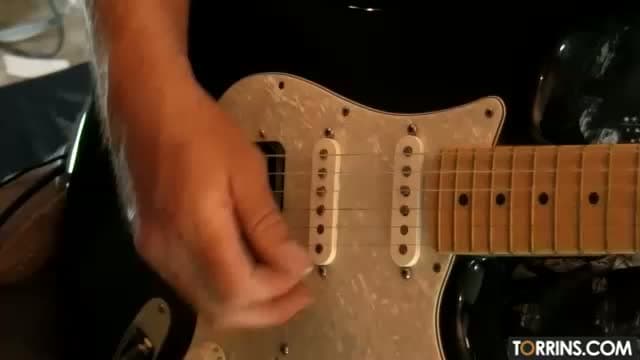
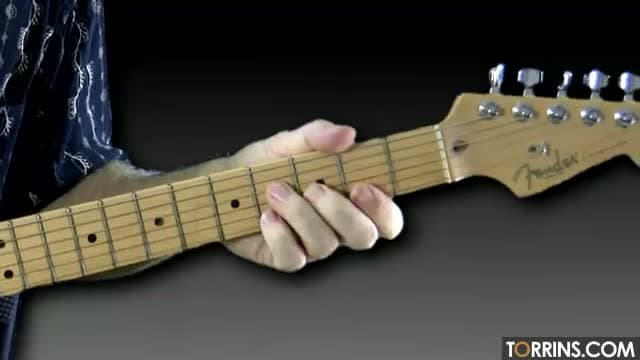
Learn to play Elmore James' version of "It Hurts Me Too" with this detailed guitar lesson on Torrins.com taught by our instructor Mike Dugan. This classic 8-bar blues song features soulful melodies, a walking bassline, and the Delta blues technique, making it a must-learn for blues enthusiasts. This lesson includes chords, rhythm techniques, solo breakdowns, and a full song demo, with tabs and lyrics provided for a complete learning experience.
Fun Fact:
"It Hurts Me Too" is one of the most interpreted blues songs ever! Originally recorded by Tampa Red in 1940, Elmore James' recorded it once in 1957 and then in 1962. His 1962 version became a hit, staying on the Hot Rhythm & Blues Singles chart for eight weeks and even making its way to Billboard’s Bubbling Under Hot 100 Singles chart two years after his passing.
Chords & Rhythm in "It Hurts Me Too"
- Key: D
- Chords Used: D7, A7, and others. Tune into the lesson to learn the rest of the chords used.
- Rhythm Pattern: DUDDUDDUDDUD (He also teaches an alternative positioning for a different feel.
- For advanced players, a Chuck Berry-style rhythm is introduced to add a more dynamic groove.
- The Delta blues technique is broken down in detail, ensuring you capture the authentic blues sound.
Sing & Play Section
- The lesson covers how to match vocals with chord changes and maintain steady downbeat strumming.
- The punchline of each verse remains the same, making it easier to follow along while singing.
Solo Breakdown
- The solo begins in the D major blues scale, bringing a bright and melodic sound.
- After a few measures, it shifts into D minor pentatonic, adding emotional depth and contrast.
- Mike Dugan explains this major-to-minor blues transition, a technique that gives the song its signature feel.
Song Demo
- In this final section, Mike plays the full song with a backing track, bringing together all elements learned in the lesson. Follow along with him to learn the intricacies of this song perfectly.
Why Learn "It Hurts Me Too"?
This lesson is a great way to improve blues phrasing, rhythm control, and soloing techniques. Whether you're a beginner looking to learn essential blues progressions or an advanced player eager to refine your Delta blues technique, this song is an excellent addition to your repertoire.
FAQs – "It Hurts Me Too" Guitar Lesson
Q1. Is this lesson beginner-friendly?
Yes! The song uses simple chords, and the lesson breaks everything down step by step, making it accessible for all skill levels.
Q2. Can I play the song without singing?
Absolutely! The lesson teaches the instrumental parts separately, so you can focus on mastering the guitar before adding vocals.
Q3. How do I improve my blues soloing?
This lesson introduces a major-to-minor blues shift, a great technique for creating emotional and expressive solos. Practice this transition to add more depth to your playing. Moreover, you can also check out our in-depth Blues Guitar lessons to improve your skills.


Similar Neoclassical Rock Songs

Introduction
Torrins brings you an exciting guitar lesson on Insomnia by Rob Marcello, taught by the artist himself. This means you are learning the song's intricacies directly from the creator, giving you a unique insight into the techniques and creative choices behind this guitar masterpiece.
Fun Fact: Rob Marcello was quite young when he composed this song and admitted that he wasn’t fully familiar with advanced music theory at the time. While Insomnia may not have achieved mainstream chart success, it remains a respected piece within the guitar community.
Chords Used in Insomnia Guitar Lesson
- Intro: Intro is played in the key of G harmonic minor and uses a C minor arpeggio and triad. It also includes an F# chord along with other chords.
- Verse: Chords used: Gm, F/G. It’s a simple verse structure with basic licks. Practising this verse is a good exercise for picking accuracy.
- Chorus: In chorus, the key changes to C minor. This section involves arpeggios, sliding, and tapping
- Break Section: The key of G harmonic minor returns. It has a metal-style lick. One of the chords is a D chord.
- Classical Section: Has a key of G major. Ensure you have a clean note separation in this section. Tip: Lift each finger as you play.
- Pre-Solo Section: Some of the chords used are D major and E♭ major. This section involves sliding up the neck and is still in the key of G harmonic minor.
- First Solo: Base stays on G and includes F major arpeggio.
- Main Solo: It uses harmonic picking, a guitar technique where you pick a note while lightly touching the string to create a bright, bell-like overtone. The solo starts with blues licks played through a wah-wah pedal and follows a pentatonic blues box shape.
There are other segments in this song that cover Dominant 7 tapping lick, string skipping & pentatonic licks, and lastly, he ends the lesson by playing along with a backing track.
Why Learn Insomnia?
Insomnia is an excellent song for players looking to improve their left-hand legato, harmonic picking, and tapping techniques. It blends metal, blues, and classical influences, making it a well-rounded piece for guitarists aiming to develop technical precision and creative expression. It is better suited for advanced players.
Tips for Playing Insomnia:
- Pay attention to the rhythmic phrasing in the break section.
- Master the sliding and tapping techniques in the solos for a polished sound.
FAQs – Insomnia Guitar Lesson
Q1. Is this song beginner-friendly?
No, this lesson is suited for advanced players due to the complex techniques involved.
Q2. How can I master the classical section?
Ensure clean note separation by lifting each finger immediately after playing the note.