Solo 1

Pasoori – Introduction
Welcome to the guitar lesson on a song that is a masterclass in songwriting and storytelling, and essentially art. Ali and Shae wrote an Urdu-Punjabi song that became the most-streamed Coke Studio song on YouTube, with more than 800 million views.
Pasoori is a song that is layered in its meanings relating to themes of conflict in love, life, chaos, self-expression, and the partition event. The lyrical metaphors have strong emotional, societal and political connotations and are presented in the style of the folk-pop genre.
The inspiration of the song, as Ali mentions, came from a quote in Punjabi written on the back of a transport truck that said ‘aag lavaan teri majbooriyan nu’ (set fire to your compultions), which he then followed up with ‘aan jaan di pasoori nu’ (the crisis of coming and going), symbolising the conflict of not just love but also the daily trades of life.
Pasoori Guitar Lesson
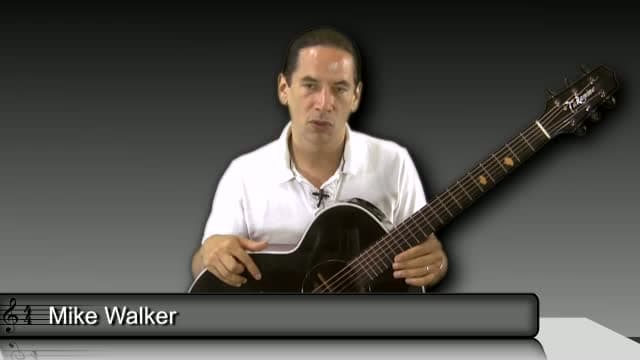
In this lesson, the tutor goes over all the parts of the song, section by section, displaying the techniques needed to play them perfectly. The song has three verses and three choruses and one bridge section that has a Baglama (a Turkish stringed instrument) solo and a mandolin solo, which are explained in detail by the instructor.
The song is in the key of B minor and can be easily played in the open position on the guitar using the standard chord shapes. Since the rhythm and beat of the song resembles that of reggaeton music, the strumming sounds like a shuffle between the chord changes and goes like D’ U D U’ D U D U - D’ D’ D’ (D is a downstrum and U is an upward strum, and the ‘ is an accented strum). It is a unique spin on the rhythm that sounds Oriental or Middle Eastern as well as Indian at the same time.
The song, having Oriental motifs, features what is known in music theory as the Andalusian cadence, i.e. usage of the chords A minor - G - F - E in sequence in the chorus sections. The tutor demonstrates the full song in its entirety and also includes a section on how to improvise on the track.
FAQs
Q. Why is Pasoori so popular?
The song is popular because of the catchy tune that has been given to the chorus of the song and because of the romantic expression of the lyrics that rides on the upbeat tempo of the song. There is one more factor for its success, which is cultural association –phrases like ‘gheo di churi’, which is a sweet dish popular in the Sindh region, triggered nostalgia among the regional north indians.
Q. What chords are used in Pasoori?
Pasoori uses simple open chords like Bm, G, F, Em, E and F#. These chords create its signature melancholic yet catchy melody.
Q. Is Pasoori suitable for beginners?
Yes, Pasoori is ideal for beginners because of its open chord voicings and moderate tempo. It helps learners practice smooth transitions and strumming patterns.
Pasoori – Introduction
Welcome to the guitar lesson on a song that is a masterclass in songwriting and storytelling, and essentially art. Ali and Shae wrote an Urdu-Punjabi song that became the most-streamed Coke Studio song on YouTube, with more than 800 million views.
Pasoori is a song that is layered in its meanings relating to themes of conflict in love, life, chaos, self-expression, and the partition event. The lyrical metaphors have strong emotional, societal and political connotations and are presented in the style of the folk-pop genre.
The inspiration of the song, as Ali mentions, came from a quote in Punjabi written on the back of a transport truck that said ‘aag lavaan teri majbooriyan nu’ (set fire to your compultions), which he then followed up with ‘aan jaan di pasoori nu’ (the crisis of coming and going), symbolising the conflict of not just love but also the daily trades of life.
Pasoori Guitar Lesson
In this lesson, the tutor goes over all the parts of the song, section by section, displaying the techniques needed to play them perfectly. The song has three verses and three choruses and one bridge section that has a Baglama (a Turkish stringed instrument) solo and a mandolin solo, which are explained in detail by the instructor.
The song is in the key of B minor and can be easily played in the open position on the guitar using the standard chord shapes. Since the rhythm and beat of the song resembles that of reggaeton music, the strumming sounds like a shuffle between the chord changes and goes like D’ U D U’ D U D U - D’ D’ D’ (D is a downstrum and U is an upward strum, and the ‘ is an accented strum). It is a unique spin on the rhythm that sounds Oriental or Middle Eastern as well as Indian at the same time.
The song, having Oriental motifs, features what is known in music theory as the Andalusian cadence, i.e. usage of the chords A minor - G - F - E in sequence in the chorus sections. The tutor demonstrates the full song in its entirety and also includes a section on how to improvise on the track.
FAQs
Q. Why is Pasoori so popular?
The song is popular because of the catchy tune that has been given to the chorus of the song and because of the romantic expression of the lyrics that rides on the upbeat tempo of the song. There is one more factor for its success, which is cultural association –phrases like ‘gheo di churi’, which is a sweet dish popular in the Sindh region, triggered nostalgia among the regional north indians.
Q. What chords are used in Pasoori?
Pasoori uses simple open chords like Bm, G, F, Em, E and F#. These chords create its signature melancholic yet catchy melody.
Q. Is Pasoori suitable for beginners?
Yes, Pasoori is ideal for beginners because of its open chord voicings and moderate tempo. It helps learners practice smooth transitions and strumming patterns.