Solo 2
Tamanna – Introduction
Welcome to the guitar lesson on a timeless Punjabi classic song loved and celebrated all over India. Tammana by Prabh Gill is a song about falling in love, where the singer is expressing his desires. This song has been plucking the heartstrings of its listeners since 2012, and has collected more than 8M views on YouTube since, with comments like – “I love this song a lot, I have also sent it to my girlfriend” and “I am in love with this song.....with every word… {heart emoji}”.
This song is written in Punjabi and talks about love is a way that is transformative. In the chorus, the singer expresses his sole desire –the love should transform us in a way that we see god in each other. This is because the song is set in the traditional north indian culture where love has connotations of divinity and grandeur.
Tamanna Guitar Lesson
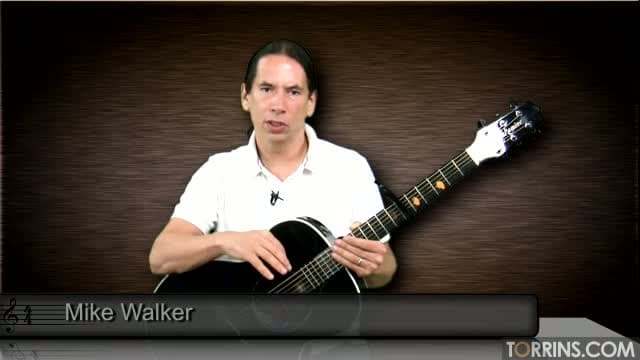
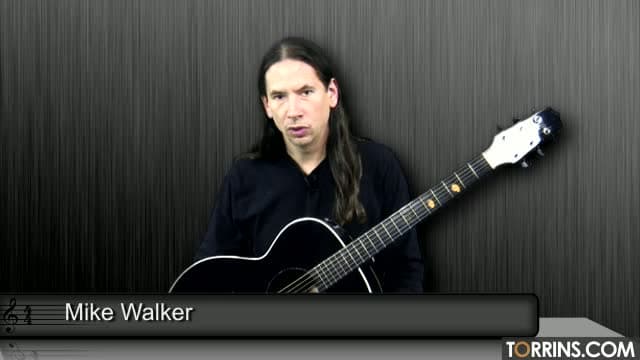
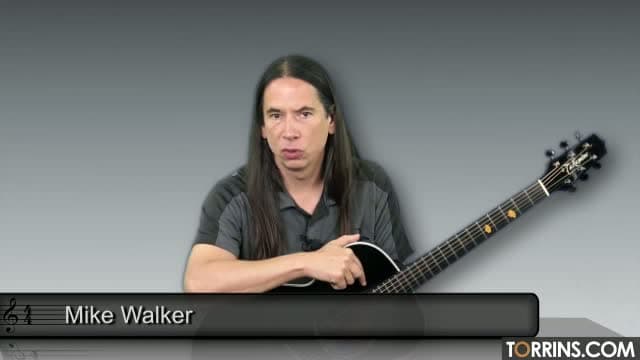
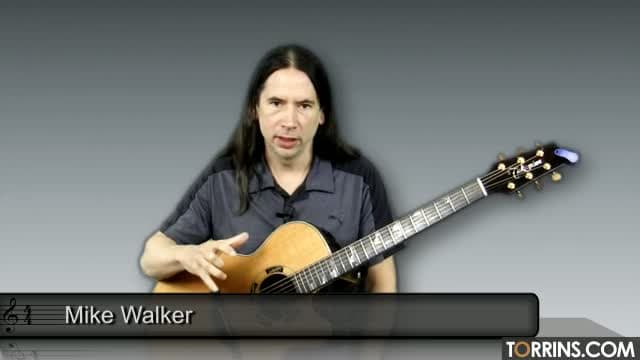
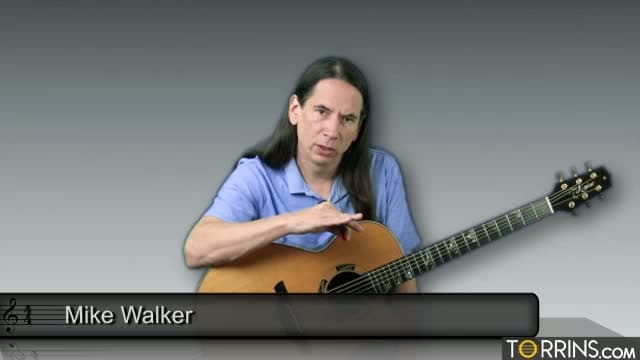
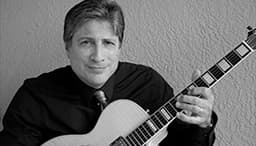
The guitar lesson on Tammana is brought by Mike Walker, wo explains all the guitar parts of the song, section by section. The initial sections talk about the chords and rhythm patterns of the song and in the sections that follow, the instructor goes on to explain the various guitar parts –chord voicings, solos, and fills that the song consists of.
The song is in the key of Bb Major, which means the way to play the chords of the song using standard shapes is by using a capo on the 1st fret. The chords of the song follow a minor key for the most part, and only in the chorus do they go to a more major sound. The tutor explains how to capture this movement well with the strumming pattern – D - UDUD - UDUD - DU (D is a downward strum and U is an upward strum.)
The special thing about this song is that it does not have drums in it, which means that all percussive effects are produced by the guitars and the bass. This leaves room for a lot of melodic motifs to fill the space left empty by the absence of drums. Hence, the song has multiple solos and melodic lines that sound beautiful.
Another special thing about this song is that it features a sitar solo near the end of the track, which, although it sounds difficult to play because of the signature picking technique, the instructor shows the way to play the sitar solo on a guitar in an easy way.
FAQs
Q. Is Tamanna suitable for beginners?
Yes. The chords are simple, and the tempo is relaxed. The solos can be learned gradually.
Q. Do I need a capo to play Tamanna?
A capo is not necessarily needed, but the capo raises the default key and makes it easy to play the song.
Q. Is this song beginner-friendly?
A. Yes, this song is beginner-friendly. Once you place the capo at the 1st fret, all you need to do then is play all the standard chord shapes.
Tamanna – Introduction
Welcome to the guitar lesson on a timeless Punjabi classic song loved and celebrated all over India. Tammana by Prabh Gill is a song about falling in love, where the singer is expressing his desires. This song has been plucking the heartstrings of its listeners since 2012, and has collected more than 8M views on YouTube since, with comments like – “I love this song a lot, I have also sent it to my girlfriend” and “I am in love with this song.....with every word… {heart emoji}”.
This song is written in Punjabi and talks about love is a way that is transformative. In the chorus, the singer expresses his sole desire –the love should transform us in a way that we see god in each other. This is because the song is set in the traditional north indian culture where love has connotations of divinity and grandeur.
Tamanna Guitar Lesson
The guitar lesson on Tammana is brought by Mike Walker, wo explains all the guitar parts of the song, section by section. The initial sections talk about the chords and rhythm patterns of the song and in the sections that follow, the instructor goes on to explain the various guitar parts –chord voicings, solos, and fills that the song consists of.
The song is in the key of Bb Major, which means the way to play the chords of the song using standard shapes is by using a capo on the 1st fret. The chords of the song follow a minor key for the most part, and only in the chorus do they go to a more major sound. The tutor explains how to capture this movement well with the strumming pattern – D - UDUD - UDUD - DU (D is a downward strum and U is an upward strum.)
The special thing about this song is that it does not have drums in it, which means that all percussive effects are produced by the guitars and the bass. This leaves room for a lot of melodic motifs to fill the space left empty by the absence of drums. Hence, the song has multiple solos and melodic lines that sound beautiful.
Another special thing about this song is that it features a sitar solo near the end of the track, which, although it sounds difficult to play because of the signature picking technique, the instructor shows the way to play the sitar solo on a guitar in an easy way.
FAQs
Q. Is Tamanna suitable for beginners?
Yes. The chords are simple, and the tempo is relaxed. The solos can be learned gradually.
Q. Do I need a capo to play Tamanna?
A capo is not necessarily needed, but the capo raises the default key and makes it easy to play the song.
Q. Is this song beginner-friendly?
A. Yes, this song is beginner-friendly. Once you place the capo at the 1st fret, all you need to do then is play all the standard chord shapes.
Explore More in Punjabi Songs
Similar Indian Pop Songs
Songs with Similar Difficulty
Introduction
Tune into a guitar lesson on the classic heavy metal song "The Trooper" brought to you by Torrins, led by our expert instructor, Bobby Koeble. This song by the English heavy metal band Iron Maiden was released in 1983, and a live version of the song was issued in 2005.
Fun Fact: "The Trooper" by Iron Maiden was inspired by the famous Charge of the Light Brigade during the Crimean War in 1854. The song’s lyrics are based on Alfred, Lord Tennyson’s poem of the same name, which describes the bravery and tragic loss of British cavalry who were misled into a deadly Russian artillery ambush. The intense galloping rhythm of the song reflects the chaos and urgency of the battlefield charge.
Bobby breaks down this classic song lesson into the following parts to ensure a smooth learning experience for learners:
Introduction
Intro Riff
Main Riff & Verse
Chorus & Song Arrangement
Solo 1- Part 1 & 2
Rhythm for Solos
Solo 2
Solo 2 using Whammy Bars
Discussion & Conclusion
Trooper with Backing Track
Chords Used in The Trooper Guitar Lesson
- Most of the song is in the key of E or E minor with a 4/4 time signature. Bobby plays the song in standard tuning.
- The chorus uses a D chord followed by a low E power chord.
- The solos are in the key of A minor and use chords like G, and F, along with others.
- There are harmony parts in the intro and main riffs, with techniques like pull-offs and whammy bar used in the solos.
Strumming Pattern
- The song follows a fast-paced, galloping rhythm—a signature Iron Maiden style.
- Bobby breaks down the strumming pattern and offers options for handling the harmony in the intro.
- Beginners can start with a simple downstroke rhythm, while more advanced players can work on refining the galloping feel.
Song Structure
The song unfolds with a clear and consistent progression that keeps listeners engaged from start to finish. It kicks off with a high-energy intro riff, a fast-paced harmony section that repeats four times to set the tone. This leads into the main riff and verse, where the finger placements and note sequences are broken down for easy understanding.
From there, the momentum builds into the chorus, which delivers a bold shift in rhythm and mood. After returning briefly to the main harmony riff, the song moves into the second verse, introducing a slight rhythmic variation with a galloping feel that adds fresh texture.
The next pass through the chorus sets the stage for not just one, but two solo sections, each packed with expressive phrasing and technique. After the solos, the main harmony riff reappears, anchoring the listener before launching into the third and final verse. Finally, the track winds down with an outro that circles back to the familiar intensity of the intro, bringing the piece full circle with a satisfying sense of closure.
Improvisation Techniques
- The solos are played in A minor.
- Solo 2 includes whammy bar technique for added depth and expression.
Bobby ends the lesson by playing along with a backing track—a great way to practice and refine your playing.
FAQs – The Trooper Guitar Lesson
Q1. Is this song suitable for beginners?
It’s more suited for intermediate players due to the fast-paced rhythm and advanced solo work.
Q2. What’s the key challenge in this song?
The galloping rhythm and smooth chord transitions require precision and practice.
Q3. Do I need a special tuning?
No, the song is played in standard tuning.
Introduction:
Get ready to learn You Send Me by Sam Cooke with instructor Mike Dugan on Torrins. This lesson covers everything from basic chords and strumming patterns to advanced solo techniques, making it suitable for both beginners and more experienced players. Mike breaks down the song step-by-step, helping you match your vocals with the chords and refine your rhythm for a polished performance.
Fun Fact: This was Sam Cooke’s debut single and it was a glorious debut– it peaked at number 1 position on both Billboard's Rhythm & Blues Records chart and the Billboard Hot 100. It was also named as one of the 500 most important rock and roll recordings by the Rock & Roll Hall of Fame.
Chords and Techniques Used in You Send Me
- Key: The original song is in the key of F for vocals, but Mike moves it to the key of G since it’s easier to follow on the guitar.
- Chords Used:
- G, D or D7, Am, and others
- He explains easy chord transitions and provides alternatives for beginners struggling with barre chords.
- Strumming Pattern:
- For Beginners:
- Use downstrokes, with two strums per chord for the verse.
- The verse uses open chords, with downstrokes on the numbers and upstrokes on the "and" counts.
- Tip: Don’t force the upstrokes—keep them light and natural.
- For Advanced Players:
- Mike demonstrates an advanced rhythm pattern using downstrokes with a triplet feel.
- He explains how to create a smoother, more dynamic strumming effect.
- For Beginners:
Song Structure
- Verse 1 and Verse 2: The two verses follow the same chord pattern and strumming technique. He also teaches how to match your vocals with the chords for a cohesive sound.
- Bridge: The bridge includes barre chords, but Mike teaches open chord alternatives for beginners. He explains the correct positioning for barre chords in detail to help you improve your grip and clarity.
- Solo Section: The solo is in the key of G major. The lead follows the relative minor of G (E minor), using the E minor pentatonic scale. For advanced players, he demonstrates a creative technique that makes the solo sound very close to the original recording.
Why Learn You Send Me?
This lesson not only teaches you how to play the song but also helps you develop better rhythm, improve chord transitions, and explore creative soloing techniques. The mix of beginner-friendly guidance and advanced options makes it a well-rounded learning experience.
Tips to Improve Your Playing
- Start slow with the strumming pattern to build muscle memory.
- Focus on smooth transitions between chords.
- For the solo, practice the E minor pentatonic scale separately before combining it with the backing track.
- Follow along with the tabs provided for a comprehensive learning experience.
FAQs – You Send Me Guitar Lesson
Q1. Is this song suitable for beginners?
Ans: Yes! The lesson includes beginner-friendly chords and strumming patterns, along with alternatives for challenging barre chords.
Q2. What’s the best way to improve my chord transitions?
Ans: Start slowly and focus on switching between two chords at a time before increasing your speed.
Q3. Do I need a capo for this song?
Ans: No capo is required, but you can experiment with different chord voicings to match your vocal range.