

The Sound of Silence
Introduction
Chords
Song Arrangement
Song Demo
Melody
Unlock Full Access to Lyrics & Chords with Torrins Membership
Unlock with premiumNo Description Available
The Sound of Silence
Introduction
Chords
Song Arrangement
Song Demo
Melody
Unlock Full Access to Lyrics & Chords with Torrins Membership
Unlock with premiumExplore More in English Songs






Introduction
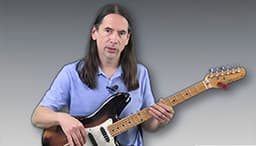
Tune into a classic Pink Floyd guitar lesson on Wish You Were Here at Torrins.com, led by our experienced tutor, Mike Dugan. He breaks down the lesson into various sections: Introduction, Intro Chords & Rhythm, Intro Lead, Verse & Chorus Lesson, Solo Improvisation, Arrangement & Playing with Backing Track.
Interesting Fact: In the song's intro, you can hear David Gilmour coughing and breathing heavily before the guitar kicks in. Rumour had it that Gilmour’s smoking habit caused the cough, and that he quit smoking afterwards out of frustration with the recording. But Gilmour later clarified he never smoked!
Mike plays the song using various open chords, including Em, Em7, G, A, and Am. Tune into the complete lesson to learn the rest of the chords that make up this song. This song is a great choice for both beginners and intermediate players.
Chords Used in "Wish You Were Here" Guitar Lesson
This song is played using simple open chords, making it accessible for both beginners and intermediate players. For intermediate players, Mike introduces some alternate chord voicings to stay true to the song’s original sound while adding a unique touch.
Strumming Pattern
The strumming pattern is beginner-friendly with consistent downstrums. For those wanting to level up, Mike shares an advanced rhythm that incorporates upstrums for a more dynamic feel.
Song Structure
"Wish You Were Here" follows a clear and structured arrangement:
- Intro: Lead + rhythm section (Mike provides a simpler alternative for beginners)
- Lead Riffs: Based on the E minor pentatonic scale and its extensions, featuring double stops and hammer-ons.
- Verse 1: Smooth chord transitions; beginners can use downstrums, while advanced players can follow the more complex rhythm.
- Solo: You can either repeat the intro solo or follow Mike’s improvisation using the E minor pentatonic scale.
- Verse 2: Similar to Verse 1, with consistent strumming and clean transitions.
- Final Solo: A concluding solo based on the intro lead and E minor pentatonic improvisation.
Improvisation Techniques
Mike teaches how to improvise using the E minor pentatonic scale. He also adds his own flair by playing it on the 12th fret in true David Gilmour style.
Singing Along
Mike also walks you through the singing component, helping you match the chord changes with the lyrics.
Pro Tip: Make use of tabs and lyrics for smoother learning.
Why Learn "Wish You Were Here"?
This lesson helps you improve your chord transitions and develop a smooth, expressive playing style. It's a great piece to master for solo and sing-along sessions. Plus, learning David Gilmour’s style will sharpen your improvisation skills.
Tips to Improve:
- Focus on clean chord transitions.
- Keep your strumming hand relaxed to maintain a steady rhythm.
FAQs – "Wish You Were Here" Guitar Lesson
Q1. Is this song beginner-friendly?
Yes! The chords are straightforward, and Mike provides a simplified version of the intro for beginners.
Q2. Can I just strum the song instead of fingerpicking?
Yes! You can simplify the song with consistent downstrums or follow the more advanced strumming pattern Mike shares.






Similar Rock Songs





Introduction
Tune in to another detailed guitar lesson on the Torrins platform! The I Should Have Known Better guitar lesson is taught by our expert instructor Steve Luciano. He makes learning this popular Beatles song both fun and rewarding.
I Should Have Known Better, by The Beatles, was originally released on the soundtrack of A Hard Day's Night—the film of the same name.
This guitar tutorial covers chord progressions and rhythm in detail. Steve also breaks down the advanced rhythm of this song for those who wish to level up their guitar playing.
Fun Fact:
In A Hard Day’s Night, "I Should Have Known Better" is performed in a train’s brake coach—but the scene was actually filmed inside a stationary van, with crew members rocking it to simulate motion!
Chords & Key
Steve Luciano demonstrates how to play this song in the key of G major, using only seven chords. Some of the key chords in this song are G, C, Em, and D7. Tune in to the full guitar tutorial to learn the remaining chords and master the song with us.
Chords Used in I Should Have Known Better Guitar Lesson
Verse & Chorus Chords: This song primarily includes open chords.
Strumming & Rhythm
Basic Rhythm Pattern: DDDUD (4 beats)
- The strumming pattern follows a 4-beat rhythm, making it beginner-friendly
- Steve Luciano demonstrates how to navigate chord transitions, including the shift from two chords per measure in the intro and beginning of the verse to one chord per measure throughout the rest of the song.
Right-Hand & Left-Hand Technique
- Since the rhythm remains consistent throughout, the right hand moves constantly, focusing on steady strumming.
- The left-hand placement changes, and Luciano shares great tips on finger positioning and switching, ensuring smooth playing.
Song Structure
This song follows the usual verse-chorus format.
Use the provided tabs to follow the chord progressions as Luciano guides you through the song structure.
Advanced Rhythm Techniques
Once you've learned the basic chords and developed good control over your left hand, you can move on to a more complex rhythm pattern.
Anticipated Rhythm:
- Luciano introduces a technique where chords or notes are played slightly before the expected beat to create a sense of forward motion and groove.
- This anticipation technique adds energy, syncopation, and a more natural feel to the rhythm, making your playing sound more dynamic.
Why Learn I Should Have Known Better Song?
Learning this Beatles classic will help you build core guitar skills in a fun and engaging way.
Whether you're a beginner or looking to brush up on technique, this track offers plenty of learning opportunities.
This guitar lesson focuses on:
- Learning various chords
- Understanding rhythm variations & dynamics
- Improving strumming and finger placement
FAQs – I Should Have Known Better Guitar Lesson
Q1: Do I need a capo?
No, a capo is not required. However, you can try experimenting with different voicings to see what matches your vocal range.
Q2: Are there any barre chords in this song?
No, Steve Luciano teaches this song using open chords only.
Q3: How can I make the rhythm more dynamic?
Playing chords slightly ahead of the beat creates a more dynamic feel. This anticipation technique is covered in detail in the guitar lesson.


Songs with Similar Difficulty








Introduction
Tune into a guitar lesson on the classic heavy metal song "The Trooper" brought to you by Torrins, led by our expert instructor, Bobby Koeble. This song by the English heavy metal band Iron Maiden was released in 1983, and a live version of the song was issued in 2005.
Fun Fact: "The Trooper" by Iron Maiden was inspired by the famous Charge of the Light Brigade during the Crimean War in 1854. The song’s lyrics are based on Alfred, Lord Tennyson’s poem of the same name, which describes the bravery and tragic loss of British cavalry who were misled into a deadly Russian artillery ambush. The intense galloping rhythm of the song reflects the chaos and urgency of the battlefield charge.
Bobby breaks down this classic song lesson into the following parts to ensure a smooth learning experience for learners:
Introduction
Intro Riff
Main Riff & Verse
Chorus & Song Arrangement
Solo 1- Part 1 & 2
Rhythm for Solos
Solo 2
Solo 2 using Whammy Bars
Discussion & Conclusion
Trooper with Backing Track
Chords Used in The Trooper Guitar Lesson
- Most of the song is in the key of E or E minor with a 4/4 time signature. Bobby plays the song in standard tuning.
- The chorus uses a D chord followed by a low E power chord.
- The solos are in the key of A minor and use chords like G, and F, along with others.
- There are harmony parts in the intro and main riffs, with techniques like pull-offs and whammy bar used in the solos.
Strumming Pattern
- The song follows a fast-paced, galloping rhythm—a signature Iron Maiden style.
- Bobby breaks down the strumming pattern and offers options for handling the harmony in the intro.
- Beginners can start with a simple downstroke rhythm, while more advanced players can work on refining the galloping feel.
Song Structure
The song unfolds with a clear and consistent progression that keeps listeners engaged from start to finish. It kicks off with a high-energy intro riff, a fast-paced harmony section that repeats four times to set the tone. This leads into the main riff and verse, where the finger placements and note sequences are broken down for easy understanding.
From there, the momentum builds into the chorus, which delivers a bold shift in rhythm and mood. After returning briefly to the main harmony riff, the song moves into the second verse, introducing a slight rhythmic variation with a galloping feel that adds fresh texture.
The next pass through the chorus sets the stage for not just one, but two solo sections, each packed with expressive phrasing and technique. After the solos, the main harmony riff reappears, anchoring the listener before launching into the third and final verse. Finally, the track winds down with an outro that circles back to the familiar intensity of the intro, bringing the piece full circle with a satisfying sense of closure.
Improvisation Techniques
- The solos are played in A minor.
- Solo 2 includes whammy bar technique for added depth and expression.
Bobby ends the lesson by playing along with a backing track—a great way to practice and refine your playing.
FAQs – The Trooper Guitar Lesson
Q1. Is this song suitable for beginners?
It’s more suited for intermediate players due to the fast-paced rhythm and advanced solo work.
Q2. What’s the key challenge in this song?
The galloping rhythm and smooth chord transitions require precision and practice.
Q3. Do I need a special tuning?
No, the song is played in standard tuning.