Electric Distortion Section
Bohemian Rhapsody – Introduction
Welcome to the guitar lesson on what is referred to as the greatest rock song of all time, Bohemian Rhapsody by Queen. It is a 6-minute ‘suite’ –a musical performance that typically includes four or five dances, according to Western classical music. But Bohemian Rhapsody is nothing like a classical piece. It is, in fact, the opposite of a classical piece. It is an alternative rock song parodying orchestral music.
Freddie Mercury was born to Parsi-Indian parents in Zanzibar, which is an island town on the east coast of Africa. After the Zanzibar revolution began, they had to flee to Middlesex, England, to save their lives. Since that is the environment Freddie grew up around, it makes sense for him to choose alt-rock and prog-rock as his genres.
Bohemian Rhapsody Guitar Lesson
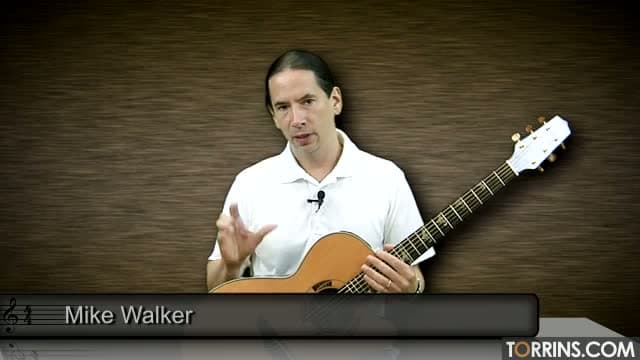
The lesson on this song is taught by our beloved expert, Mike Walker, who explains all the different sections of the song –and there are many –in the simplest of ways. The lesson is divided into multiple sections, explaining all the parts of the song section by section –from the intro that talks about the chords and different voicings of those chords, to the rhythms and solos of the song.
The song contains an iconic intro, a ballad segment, an orchestral passage, a rock progression, an iconic solo, and an outro. It is almost as if the song is a contraption of multiple songs. Consequently, it has a number of chords and key changes. The instructor, though, gives time to explain all the changes meticulously.
The song follows the following keys: B♭ Major, E♭ Major, A Major and F Major. With most of the chords being non-standard shapes, for instance, the intro features flat-6 and 7th chords, and minor 7th chords. There is a motif in the verse that makes the section iconic –a set of repeating two notes –G to F while on a Bb chord, A to G on the Gmin, and D to C on the Cmin. The instructor shows how to play it in great detail and along with the original track.
Another iconic part of the song is Brian May’s guitar solo, which has been deemed one of the greatest solos of all time. Featuring a guitar that Brian built in his garage, sloppy vibratos, dynamics, and pure emotional playing make it one of the greatest.
The lesson also has a breakdown of the main solo and the outro solo, including the rhythm distortion guitar parts as well, shown in full by the tutor.
Q. Is Bohemian Rhapsody playable on an acoustic guitar?
Yes, once you master the chord shapes, you can easily play the fingerstyle version of the song and sing along.
Q. What effects does Brian May use?
Brian used a Phaser pedal into a treble booster that then went into a Vox AC30.
Q. How do I sing and play this at the same time?
Practice playing the chords first. The ballad actually follows the vocal melody and so mastering the chords can easily get you there.
Bohemian Rhapsody – Introduction
Welcome to the guitar lesson on what is referred to as the greatest rock song of all time, Bohemian Rhapsody by Queen. It is a 6-minute ‘suite’ –a musical performance that typically includes four or five dances, according to Western classical music. But Bohemian Rhapsody is nothing like a classical piece. It is, in fact, the opposite of a classical piece. It is an alternative rock song parodying orchestral music.
Freddie Mercury was born to Parsi-Indian parents in Zanzibar, which is an island town on the east coast of Africa. After the Zanzibar revolution began, they had to flee to Middlesex, England, to save their lives. Since that is the environment Freddie grew up around, it makes sense for him to choose alt-rock and prog-rock as his genres.
Bohemian Rhapsody Guitar Lesson
The lesson on this song is taught by our beloved expert, Mike Walker, who explains all the different sections of the song –and there are many –in the simplest of ways. The lesson is divided into multiple sections, explaining all the parts of the song section by section –from the intro that talks about the chords and different voicings of those chords, to the rhythms and solos of the song.
The song contains an iconic intro, a ballad segment, an orchestral passage, a rock progression, an iconic solo, and an outro. It is almost as if the song is a contraption of multiple songs. Consequently, it has a number of chords and key changes. The instructor, though, gives time to explain all the changes meticulously.
The song follows the following keys: B♭ Major, E♭ Major, A Major and F Major. With most of the chords being non-standard shapes, for instance, the intro features flat-6 and 7th chords, and minor 7th chords. There is a motif in the verse that makes the section iconic –a set of repeating two notes –G to F while on a Bb chord, A to G on the Gmin, and D to C on the Cmin. The instructor shows how to play it in great detail and along with the original track.
Another iconic part of the song is Brian May’s guitar solo, which has been deemed one of the greatest solos of all time. Featuring a guitar that Brian built in his garage, sloppy vibratos, dynamics, and pure emotional playing make it one of the greatest.
The lesson also has a breakdown of the main solo and the outro solo, including the rhythm distortion guitar parts as well, shown in full by the tutor.
Q. Is Bohemian Rhapsody playable on an acoustic guitar?
Yes, once you master the chord shapes, you can easily play the fingerstyle version of the song and sing along.
Q. What effects does Brian May use?
Brian used a Phaser pedal into a treble booster that then went into a Vox AC30.
Q. How do I sing and play this at the same time?
Practice playing the chords first. The ballad actually follows the vocal melody and so mastering the chords can easily get you there.
Explore More in English Songs

Introduction:
Torrins brings you a classic country guitar lesson—Your Cheatin’ Heart, written and recorded by Hank Williams in 1952. Taught by Mike Dugan, this sing and play lesson breaks down the song into easy-to-follow sections, making it perfect for beginners and experienced players alike. He breaks down the chords, rhythm, and song arrangement of the song.
Fun Fact: Did you know Williams wrote this song while driving from Nashville to Shreveport with his fiancée? After calling his first wife a "cheatin’ heart," the lyrics poured and the entire song was ready within minutes.
Chords & Song Structure
This song follows a standard verse-chorus structure with a bridge in between.
- Key: The song is in the key of C major
- Verse Chords: The verse has three basic open chords. Tune into the lesson to learn them.
- Bridge Chords: Bridge includes chords like F, D7, and others.
Mike carefully breaks down finger positioning, chord transitions, and how the chords are divided across measures. He also provides alternative fingerings to make it easier for beginners.
Do you wish to learn the intricacies of Country Guitar Playing? Check out our detailed lessons to master this style!
Strumming Patterns
This song has a simple and steady strumming style, ideal for both beginners and advanced players.
- Beginner-Friendly Strumming:
- A basic downstrum-only pattern in straight 4s to help new players get comfortable.
- Advanced Strumming Pattern:
- A more dynamic down-up pattern (DDUDDDDUDD) that adds depth and groove. Mike explains the transitions and accents in detail to help you get the authentic country feel.
Sing & Play
If you want to sing while playing, Mike provides a step-by-step breakdown of how the vocals align with the chord changes. He explains:
- How to keep your strumming steady while singing
- Where to place emphasis in both lyrics and chords
- How to build confidence in singing and playing simultaneously
He suggests beginners to start with the basic strumming pattern, and once comfortable, then they can switch to the more advanced rhythm for a fuller sound.
Moreover, you can take advantage of the accompanied lyrics in the song lesson for a comprehensive learning experience.
Why Learn Your Cheatin’ Heart?
- Classic country song that strengthens rhythm guitar skills
- Great for beginners, thanks to simple chords and a steady beat
- Teaches strumming variations, helping you develop better control
- Perfect for sing-alongs, making it a fun addition to your repertoire
FAQs Your Cheatin’ Heart Guitar Lesson
Q1: Is this song beginner-friendly?
Yes! The song uses simple open chords and a steady strumming pattern, making it perfect for beginners.
Q2: What if I struggle with singing and playing at the same time?
Start with basic downstrums to get comfortable. Once you have the rhythm down, gradually add vocals.
Q3: Do I need a capo for this song?
No capo is needed. The song is played in the key of C with open chords.
Introduction
Learn the famous “I Shot the Sheriff” on Torrins, led by our expert instructor Steve Luciano, who has decades of experience playing and teaching guitar. “I Shot the Sheriff” is originally a reggae song written by Bob Marley and released in 1973 with his band, The Wailers. However, you'll be playing Eric Clapton’s version of this song with Steve on Torrins.com. Eric recorded his cover in 1974 for his album 461 Ocean Boulevard. His performance of the song adds soft rock to the reggae sound, giving it a unique feel.
The difficulty level of this guitar lesson ranges from beginner to intermediate and breaks down the chords, rhythm, structure, and strumming pattern in a simple yet engaging way! So, tune in and unfold the magic of this hit cover!
Steve Luciano teaches the I Shot The Sheriff Song guitar lesson using 4 movable chords: Gm, Cm, Eb, and Dm. No capo is needed!
Chords Used in I Shot the Sheriff Guitar Lesson
This song is played using movable chords, which are common in reggae music.
Chords used: Gm, Cm, Eb, Dm
Steve teaches essential finger positioning and movement techniques to help make chord transitions smoother. He also demonstrates how to lighten finger pressure to achieve the signature reggae "deadening" effect on the strings.
Strumming Pattern
Pattern: D-U-D-U
- Like other reggae songs, this one emphasizes playing on the downbeat but feeling the upbeat to capture its groove.
- It’s good if you practice the chords first before adding rhythm, as some transitions can be tricky.
Song Structure
This song follows a verse-chorus format:
- Verse: The beginning of the song primarily uses Gm and Cm chords.
- Chorus: Introduces the Eb chord, which can be challenging for some players. Steve demonstrates easier ways to play Eb, particularly for those with larger fingers.
- The chorus chord progression repeats five times.
- At the end of the chorus, there's a signature single-note tag based on the Gm pentatonic scale. This lick is played each time the chorus ends.
Improvisation Techniques
- The song features a signature lick at the end of the chorus, based on the Gm pentatonic scale. Steve breaks down how to play the notes smoothly to maintain the song’s groove.
Why Learn I Shot the Sheriff on Guitar?
- Learning this song can help you master movable chord shapes commonly used in reggae.
- It will also help you improve reggae-style strumming and chord muting techniques.
- Additionally, it provides insight into lead guitar phrasing with the signature pentatonic lick.
Tips for Playing the Song Smoothly
- Practice chord transitions first before adding strumming.
- Loosen your grip to achieve the proper reggae deadening effect.
- Feel the upbeat while strumming for an authentic reggae sound.
FAQs – I Shot the Sheriff Guitar Lesson
Q1. Is this song beginner-friendly?
A: It’s suitable for intermediate players, as it uses movable chords, which may be challenging for beginners.
Q2. What if I struggle with the Eb chord?
A: Steve demonstrates easier alternatives for players who find it difficult, especially those with larger fingers.
Fun Fact: “I Shot the Sheriff” was originally a spiritual metaphor for birth control, though Bob Marley never revealed which lyrics were true. Eric Clapton’s 1974 cover became a massive hit, introducing Marley’s music to rock audiences worldwide. While Marley was happy with the cover, he was frustrated that the song was widely misinterpreted as an anthem against injustice and corruption rather than its original meaning.
Introduction:
Torrins brings you one of the most legendary rock riffs ever recorded-Smoke on the Water by Deep Purple, taught by Mike Walker. This guitar lesson is designed to break down the song step by step, covering everything from the iconic riff to solo improvisation. Whether you’re picking up the electric guitar for the first time or looking to level up your playing, this one’s a must-learn.
Fun Fact: Although the song appeared on Machine Head in 1972, it wasn’t released as a single until 1973. Surprisingly, the band didn’t expect it to be a hit. But it climbed to number 4 on the Billboard pop charts and became one of the most recognizable riffs in rock history.
Chords and Song Key
This lesson is taught in the key of B♭, but the song carries a G minor feel throughout. You’ll be using a few essential power chords like G5, A♭5, and others as you move through the sections.
The song’s time signature is 4/4, with a tempo of 112 BPM. Two main scales are used across the lesson: the G minor scale and the G blues pentatonic, both of which are central to the solo and improvisation parts.
Iconic Intro Riff
It’s the riff that every guitarist wants to play and for good reason. Mike breaks it down clearly, explaining which strings to let ring and how to get that gritty rock tone. He demonstrates both fingerpicking and pick-style playing, so you can choose the approach that suits you best.
Verse and Chorus Sections
In the verse, you’ll be working with a group of three chords, using arpeggios and palm muting to add texture. The phrasing follows a clean 4-bar structure, making it easy to follow.
The chorus section also relies on arpeggios. Mike walks through each measure in detail, grouping chords and explaining the rhythm so you can play with ease and confidence.
Rhythm Underneath the Solo
For the rhythm guitar players, Mike breaks down the part that supports the solo section. This part mostly uses just two chords, but involves some precise fingerpicking techniques to maintain the groove and drive.
Solo Lesson
Mike takes you through the solo lick by lick, staying in the G minor scale. He explores techniques like vibrato to add feel and energy. It’s a great way to learn how to play expressively.
Solo Demo and Improvisation
Once the solo is broken down, Mike ties everything together with a full solo demo played along with a backing track. Then comes the fun part, improvisation. He shares how to use:
- G minor and G pentatonic scales
- G pentatonic with a flat 5
- Phrasing on the 15th fret
You’ll also pick up a few stylistic ideas inspired by Jon Lord’s playing style, which adds a cool, classic-rock flavor to your soloing.
Why Learn - Smoke on the Water?
- One of the most famous riffs in rock history
- Teaches you both rhythm and lead techniques
- A solid introduction to rock improvisation
- Perfect for building confidence on the electric guitar
FAQs – Smoke on the Water Guitar Lesson
Q1. Is this song beginner-friendly?
Yes, and Mike simplifies each section so it’s approachable even if you’re just getting started.
Q2. Do I need an electric guitar?
It’s recommended, as this song is designed with electric tone and expression in mind.
Q3. Can I play the riff with a pick?
Absolutely. Mike shows both finger and pick methods—you can choose what feels right.
Introduction
Get ready to master another death metal classic on Torrins—Symbolic by the band Death. This lesson is taught by Bobby Koelble himself, one of the guitarists on the original track. Bobby breaks down the song into several parts, covering essential chords, rhythms, and guitar tones, ensuring a detailed and engaging learning experience.
Fun Fact
Bobby Koelble joined Death after being recommended to Chuck Schuldiner, the band's co-founder, by a friend working at a local music store. Koelble and Schuldiner had known each other since high school in Orlando. After joining the band, Koelble toured with Death across the United States, Canada, Europe, and Japan before the band eventually disbanded.
Chords and Techniques Used in Symbolic
- Tuning: Standard tuning down a whole step
- Key: E minor
- Some of the chords used in this song are G#, F#, Bm, and A7. Tune in to the lesson to know the rest of the chords used in this song.
Song Structure
- Main Riff: The main riff repeats seven times and features vibrato, alternative picking, and palm muting. It includes a few power chords, one being G#.
- Chorus: The chorus riff follows the same pattern as the main riff but repeats 14 times. Tune in to the lesson for a detailed breakdown of the rest of the chorus.
- Solo Section: The solo section features four power chords. In this section, there’s a transition riff as well, which consists of four single notes and a power chord.
- Solo section played by Bobby in the original song: It is played in the key of F# and features chords like B minor, F# power chord, and A7—all diatonic to F#. He breaks down the solo into three sections: beginning, middle, and end and shares valuable tips on mastering the solo, including his creative process behind crafting the iconic riff.
Bobby plays all elements slowly, first to make it easier to follow, then repeats them at normal speed. He also explains the guitar tone in detail.
Why Learn Symbolic?
This lesson provides a detailed breakdown of one of death metal’s most iconic tracks. Bobby Koelble’s insight into the composition and technique will help you refine your alternative picking, palm muting, and power chord transitions. It's a challenging yet rewarding song to master for any metal guitarist. If you’re an advanced player or an intermediate player looking for songs to improve your techniques, this song has to be in your repertoire.
Tips to Improve Your Playing
- Start by playing the riffs at a slower pace, then gradually increase your speed.
- Pay close attention to the vibrato and palm muting techniques to capture the song’s unique tone.
- Focus on smooth chord transitions during the solo to maintain the song’s flow.
FAQs – Symbolic Guitar Lesson
Q1. Is this song suitable for beginners?
Ans: This lesson is recommended for intermediate to advanced players due to its fast-paced riffs and complex solos.
Q2. What tuning is used for this song?
Ans: The song is played in standard tuning down a whole step.
Similar Rock Songs
Introduction:
Torrins brings you an exciting guitar lesson "Wonderwall" by Oasis, taught by Mike McQuinn. This timeless classic is a must-learn for any guitarist, helping you master chord variations, strumming patterns, and how to play and sing simultaneously. Mike breaks down this song lesson into multiple lessons for easy learning - Introduction, Chords and Strumming, Sing and Play and Song Demo.
Fun Fact: In October 2020, "Wonderwall" became the first song from the 1990s to surpass one billion streams on Spotify. Today, it ranks as the second most-streamed song from that decade, following Nirvana's "Smells Like Teen Spirit”.
Chords Used in Wonderwall Guitar Lesson: The song is built around five essential chord patterns, which you’ll learn in detail in the song lesson. Some of the chords that make up this song are: G, Em7, Dsus4, A7Sus4, Cadd9. Tune in to the lesson to learn the rest.
One chord pattern includes a walk-down pattern for smooth transitions.
All chords are played with a capo on the 2nd fret
Strumming Pattern The primary strumming pattern is:
- DDUDUDDUDUDD (Repeats UDUDD three times and ends with UD)
- An alternate strumming pattern is used in the walk-down chord section—learn the difference in the lesson!
Song Structure & Breakdown This lesson is divided into multiple sections for easy learning:
- Introduction: This section has an overview of the lesson structure and key techniques.
- Chords & Strumming: This section includes all the chords used in this song, and Mike shares the five essential chord patterns that make up this song. He demonstrates how to transition smoothly. The song finishes with a repetitive lead part—Mike explains how to master it effortlessly. He shares tips to master the rhythm of the song.
- Sing & Play: Mike teaches how to coordinate vocals with guitar playing, gearing you up for jamming sessions!
- Song Demo: The song lesson ends with a full demonstration of the song to tie everything together.
Tip: Follow along with the Tabs provided with the song lesson for quick and effective learning.
Why Learn Wonderwall?
- Learning this song will help you improve chord transition and variation skills.
- It will also help you master rhythm consistency with its distinct strumming pattern.
- It will enhance your ability to play and sing simultaneously.
FAQs – Wonderwall Guitar Lesson
Q1. Is this song beginner-friendly?
Ans- Yes! The chords are slight variations to basic chords and are used repetitively, making it a great song for all skill levels.
Q2. Do I need a capo?
Ans- Yes, the song is played with a capo on the 2nd fret to match the original key.
Q3. How do I improve my strumming for this song?
Ans- Focus on maintaining a relaxed wrist and practice the primary strumming pattern slowly before speeding up.
Introduction:
Torrins brings you a detailed lesson on Hotel California by The Eagles, taught by Mike Walker. This song is a rock guitar masterpiece, featuring multiple guitar parts, intricate solos, and the signature 12-string acoustic intro that every guitarist wants to master.
To ensure a smooth learning experience, this lesson includes tabs and lyrics and breaks down each guitar part step by step.
Fun Fact: In 1998, during their induction into the Rock and Roll Hall of Fame, all seven Eagles members performed Hotel California together for the only time ever.
Chords, Rhythm, & Song Arrangement
This lesson covers multiple guitar parts, from acoustic rhythm to electric lead work.
- Guitar 1: The 12-string acoustic intro played by Steve Luciano.
- Guitar 2: Played on an acoustic guitar, covering the main chord progression with precise picking patterns. This part starts with an open D chord and moves through a D major triad.
- Chords Used: D, Em, F#m, Bm, and more. Mike breaks down which strings to leave open and which to mute for the perfect sound.
- Guitar 3 (Reggae Section): A muted electric guitar rhythm that appears in the verse section. Played in the key of B minor, with movable F# and E9 chords. It also has some inverted chords. The strumming pattern follows a downstroke with an open fretboard, followed by a down-up motion. Tune into the learn it seamlessly by the pro!
- Guitar 4 (Muted Clean Part): A subtle section that introduces muting techniques and power chords, adding to the song's dynamic feel.
- Guitar 5 & Guitar 6: These sections introduce lower and higher harmonies, reinforcing the layered guitar arrangement.
Mike walks through each of these sections in detail, ensuring you can replicate the exact feel of the original recording.
Lead Guitar-Licks & Solos
- Overdub Licks: The first chorus features a double-stop lick with hammer-ons and pinch harmonics.
- Three Guitar Solos: The solos blend B minor pentatonic, B minor, and B harmonic minor scales. Some licks focus on bends, slides, and expressive phrasing.
- Outro Solo: Features two interwoven guitar parts, with the first part built around arpeggios like the B minor arpeggio.
Mike takes you through each solo note by note, showing how to nail the tone and phrasing of this legendary song.
Beginner-Friendly Chord Progression
If you're not ready to tackle all the guitar layers, Mike provides a simplified chord progression that lets beginners play along with the song.
- Chords Used: A, E, F#m, Em, and others.
- Alternative Strumming Pattern: A beginner-friendly rhythm variation to match the song’s feel.
Why Learn Hotel California?
- Essential for Rock Guitarists – It is one of the most recognizable intros and solos in rock history.
- Teaches Advanced Techniques – This song includes various techniques like fingerpicking, muting, harmony lines, and expressive soloing.
- Perfect for Rhythm & Lead Players – The song covers both acoustic strumming and intricate lead work.
FAQs – Hotel California Guitar Lesson
Q1: Is this lesson beginner-friendly?
While the original song is challenging, the lesson includes simpler chord progressions and rhythm parts for beginners.
Q2: What techniques will I learn?
Muted strumming, harmony playing, arpeggios, lead phrasing, and solo improvisation techniques.
Introduction
Want to learn some popular tunes from the mid-'90s? Torrins has got you covered! Tune into our guitar song lesson on James Taylor’s version of the 1959 hit Handy Man. This song tutorial is led by our expert teacher, Steve Luciano, who has decades of experience teaching and playing guitar. He breaks down the Handy Man lesson into chords, rhythm, and strumming patterns to make learning this song a smooth process for you.
Fun fact: Did you know this song has been a hit twice? Handy Man was originally recorded by Jimmy Jones in 1959 and became a huge success, reaching #2 on the Billboard Hot 100. Nearly two decades later, James Taylor recorded his own mellow, acoustic version in 1977, which also became a hit, peaking at #4 on the Billboard Hot 100 and earning Taylor a Grammy Award for Best Male Pop Vocal Performance. How cool is that?
This version of Handy Man is a great example of James Taylor’s signature acoustic fingerpicking style, incorporating unique harmonies and intricate transitions. If you’re looking for a simpler version, we’ve got that too—check it out on the Torrins website!
Chords Used in Handy Man Guitar Lesson
This song is played in the key of D and features some interesting chord transitions. Here are some of the key chords used:
- Main chords: D, A, and some others.
- When reharmonizing the second verse: Em, F#m7
- Slash chords to add depth and movement: A/C#, G/B, and a few others.
Tune into the complete Handy Man song lesson to know the rest of the chords.
Steve breaks down unique chord transitions specific to this song to help you capture its distinct, smooth sound.
Fingerpicking & Strumming Techniques
Unlike traditional fingerpicking, Handy Man features more of a plucking style—playing bass notes while plucking the strings together for a fuller sound.
- The song starts with pickup notes and incorporates hammer-ons to add subtle dynamics.
- If you’re not comfortable with fingerpicking, you can strum the entire song instead. It still sounds great!
Song Structure & Rhythm
This song follows a classic verse-chorus format.
- Keep an eye on chord transitions, especially when moving between slash chords, as they add a unique colour to the song.
- The multi-angle camera views (focused on fretting, strumming, and a complete overview) help you get a clear, close-up look at all movements –making learning much faster and more effective.
- Make use of tabs and lyrics for a smoother and more structured learning experience.
Why Learn the song Handy Man on guitar?
James Taylor’s Handy Man is a fantastic piece for learning fingerpicking while maintaining a steady rhythm. Plus, it’s an excellent exercise for improving chord transitions and adding finesse to your playing.
FAQs – Handy Man Guitar Lesson
Q1. Do I have to use fingerpicking?
You can strum the entire song if you prefer. However, fingerpicking brings out its full depth.
Q2. How can I make my transitions smoother?
Steve shares specific techniques for transitioning between chords effortlessly. Practising slowly and focusing on finger positioning will help.