Chorus
Introduction:
Crazy Train by Ozzy Osbourne is the most legendary rock and metal song of all time. This song also has some of the best guitar play by Randy Rhoads.
Song Structure
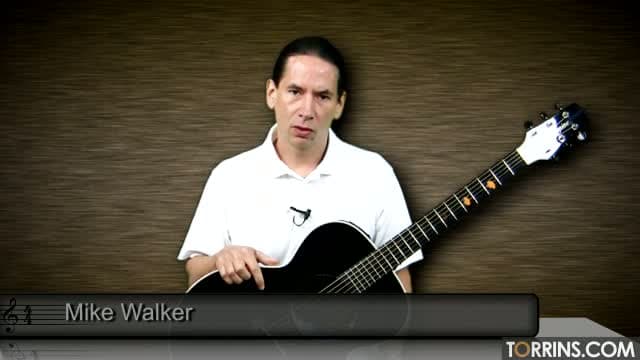
Introduction: In this part Mike Walker shows how much he loves playing this song and shares why it is important for every rock and metal fan to learn this song.
Intro Riff: Here, you will be learning the very first lick of the song for which the song became famous in the first place.
Pre-Verse: this is a 4 bar phrase, and it comes before the verse,
Verse: In this section Mike shows you the guitar chords which you need to play in the verse parts of the song. He also showed how you should be focused on playing the last 2 bars because if you learn that you will be playing the entire part of the verse section on guitar.
Pre Chorus: This is a four bar pre-chorus along with a couple of single notes present in it that Mike first shows how it is done then explains to you how you can play the same tune.
Chorus: In this part of the guitar lesson you will learn about the main chorus of the song. Mike has broken the chorus in multiple parts to make it easier for you to understand how it needs to be played.
Bridge: This is the part which works as a contrast between the chorus and the verse, you will be playing this part after the second chorus of the song, it has been used to give a fresh
element to the song.
Solo: This is one of the most intricate solos in metal music it goes up to 16 bars and it does have tons of guitar techniques which comes handy as a guitarist.
Song Demo: This is the final part, where Mike will play the guitar alongside the backing track.
Why Learn Crazy Train By Ozzy Osbourne Song?
The main riff of the song is instantly recognizable and if you learn it on guitar you will get to know about alternative picking precision. It includes a combination of power chords, single-note runs, and syncopation which is something essential for both rock and metal music.
FAQs – This Song Guitar Lesson
Q1. Who originally recorded Crazy Train?
Ans. Crazy Train is the debut single by English heavy metal singer Ozzy Osbourne, he released the song in the 1980s for his debut album which was his solo venture as an artist.
Q2. What is the hidden meaning of the song Crazy Train?
Ans. Crazy train is about the cold war which happened during that time and consumed the entire world in the 1980s. Osbourne was talking about dictators when he said “One person is conditioned to rule and control.”
Q3. Is Ozzy Osbourne going through mental health problems?
Ans. No, Ozzy Osbourne doesn’t have mental health problems; he does have progressing Parkinson’s disease, which causes new mobility challenges as he grows old.
Fun Fact: It was the first ever solo which Ozzy sang after leaving Black Sabbath, after the release it became an instant hit and even to this day it is one of the most recognizable songs of Ozzy Osbourne.
Introduction:
Crazy Train by Ozzy Osbourne is the most legendary rock and metal song of all time. This song also has some of the best guitar play by Randy Rhoads.
Song Structure
Introduction: In this part Mike Walker shows how much he loves playing this song and shares why it is important for every rock and metal fan to learn this song.
Intro Riff: Here, you will be learning the very first lick of the song for which the song became famous in the first place.
Pre-Verse: this is a 4 bar phrase, and it comes before the verse,
Verse: In this section Mike shows you the guitar chords which you need to play in the verse parts of the song. He also showed how you should be focused on playing the last 2 bars because if you learn that you will be playing the entire part of the verse section on guitar.
Pre Chorus: This is a four bar pre-chorus along with a couple of single notes present in it that Mike first shows how it is done then explains to you how you can play the same tune.
Chorus: In this part of the guitar lesson you will learn about the main chorus of the song. Mike has broken the chorus in multiple parts to make it easier for you to understand how it needs to be played.
Bridge: This is the part which works as a contrast between the chorus and the verse, you will be playing this part after the second chorus of the song, it has been used to give a fresh
element to the song.
Solo: This is one of the most intricate solos in metal music it goes up to 16 bars and it does have tons of guitar techniques which comes handy as a guitarist.
Song Demo: This is the final part, where Mike will play the guitar alongside the backing track.
Why Learn Crazy Train By Ozzy Osbourne Song?
The main riff of the song is instantly recognizable and if you learn it on guitar you will get to know about alternative picking precision. It includes a combination of power chords, single-note runs, and syncopation which is something essential for both rock and metal music.
FAQs – This Song Guitar Lesson
Q1. Who originally recorded Crazy Train?
Ans. Crazy Train is the debut single by English heavy metal singer Ozzy Osbourne, he released the song in the 1980s for his debut album which was his solo venture as an artist.
Q2. What is the hidden meaning of the song Crazy Train?
Ans. Crazy train is about the cold war which happened during that time and consumed the entire world in the 1980s. Osbourne was talking about dictators when he said “One person is conditioned to rule and control.”
Q3. Is Ozzy Osbourne going through mental health problems?
Ans. No, Ozzy Osbourne doesn’t have mental health problems; he does have progressing Parkinson’s disease, which causes new mobility challenges as he grows old.
Fun Fact: It was the first ever solo which Ozzy sang after leaving Black Sabbath, after the release it became an instant hit and even to this day it is one of the most recognizable songs of Ozzy Osbourne.
Explore More in English Songs




Introduction
Tune into another guitar lesson on a popular Beatles song on Torrins.com, While My Guitar Gently Weeps written by George Harrison, taught by Mike Dugan. He makes learning this song fun, easy, and rewarding! He breaks this guitar song lesson into various sections like Introduction, Chords & Rhythm, Verse & Chorus (singing), Advanced Rhythm, and Solo Improvisation.
Fun Fact: George Harrison wrote While My Guitar Gently Weeps as an exercise in randomness after his return from India, where the Beatles studied Transcendental Meditation. Inspired by the idea that nothing is coincidental, he opened a book at random, saw the words "gently weeps," and turned them into one of his most iconic songs.
Chords Used in While My Guitar Gently Weeps Guitar Lesson
The guitar lesson on While My Guitar Gently Weeps is taught using chords like Am, Am/G, D7/F#, to name a few. It also involves some barre chords. Tune in to the complete guitar song lesson to know the rest of the chords that make up this song.
This version of While My Guitar Gently Weeps is played in the key of A minor. The song includes a mix of open and barre chords, adding depth and complexity to the arrangement.
The bridge introduces barre chords like C#m and F#m. Mike shares some great tips on transitioning between these barre chords smoothly, essential for mastering the flow of the song.
Strumming Pattern
For beginners, Mike keeps it simple with an easy 4-down-strum pattern that’s great for building confidence.
For intermediate and advanced players, he introduces a more intricate alternating rhythm:
DUDUDU – accenting beats two and four (like most rock songs) for a more dynamic feel.
Song Structure
The song follows a clear and repeatable structure that gives it a steady flow and allows for expressive variation. It begins with an intro, setting the tone before moving into Verse 1 and Verse 2, which establish the core melody and lyrical theme. The bridge introduces a vocal shift, featuring a touch of falsetto to accommodate the slightly higher notes, adding emotional lift and dynamic contrast. Following this, the guitar solo steps in, showcasing expressive phrasing built on the A minor pentatonic scale. The playing style, marked by smooth vibrato and a warm overdrive tone, is clearly inspired by Eric Clapton’s bluesy sensibilities. The structure then returns to the bridge and another verse, before easing into a jam section. This relaxed closing passage offers space for personal interpretation and creative improvisation, making it a satisfying conclusion to the track..
Mike teaches how to sync your singing with chord changes by accenting the words that align with the next chord. This makes it easier to play and sing simultaneously.
Improvisation Techniques
In the solo section, Mike offers a detailed breakdown of how to use the A minor pentatonic scale to craft expressive, personality-filled solos in the style of Eric Clapton.
He walks you through essential techniques like achieving smooth vibrato, bending notes accurately to stay in pitch, and adjusting your speed and tone to create a polished, professional sound. If vibrato has been a sticking point for you, Mike dedicates extra time to break down the technique in a way that's easy to grasp. And if you’re looking for more practice, our dedicated vibrato lessons are just a click away.
Why Learn While My Guitar Gently Weeps?
- Great choice of song for working on barre chord transitions.
- The solo section introduces you to classic rock licks, helping you develop a more expressive playing style.
Tips for Better Playing
- Keep your strumming hand moving consistently to maintain rhythm.
- Focus on clean chord transitions, especially in the bridge.
- Practice the solo slowly first, then build up speed gradually.
FAQs – While My Guitar Gently Weeps Guitar Lesson
Q1. Is this song beginner-friendly?
There is a beginner version of this song which focuses on a simple strumming pattern.
Q2. Do I need to use falsetto when singing the bridge?
It’s optional—but using falsetto adds a smoother tone. Mike shows how to adjust based on your vocal range.



Introduction:
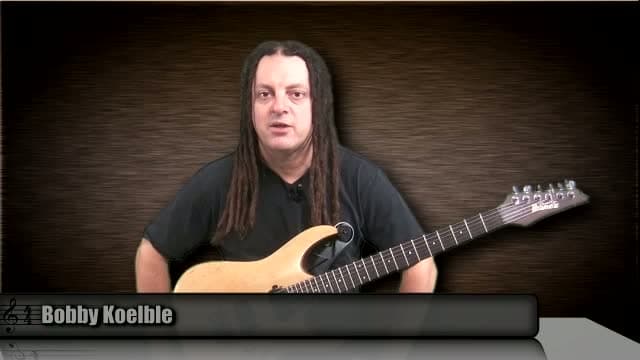
Torrins brings you an in-depth guitar lesson on Zero Tolerance by Death, taught by none other than Bobby Koelble—one of the original guitarists on the track. This lesson dissects the song’s intricate riffs, multiple solos, and unique techniques to help you master this classic death metal piece.
Fun Fact: The title Zero Tolerance was later used for two compilation albums released under Chuck Schuldiner’s name, featuring rare demo material from both Death and Control Denied.
Tuning and Song Structure
- Standard tuning, down a whole step.
- Multiple solos from both Chuck Schuldiner and Bobby Koelble.
- This Lesson is structured into key sections: Introduction, Intro Riff, Solo-1 (Chuck), Chorus, Bridge, Main Solos (Chuck & Bobby), Solo 2 (Bobby), Song Demo, and Final Note on Chorus.
- Make sure to use the provided chords and tabs to follow along!
Breaking Down the Song
Intro Riff
- Mostly in the key of E minor.
- Straightforward riff featuring power chords, including low E power chords.
- Incorporates muted string techniques for a tight and punchy sound.
First Solo (Chuck Schuldiner)
- Simple power chord progression in the background, one of which is C.
- Features an E minor major 7 arpeggio.
- Chuck was known for focusing on feel rather than strict technical terms—tune into the lesson for an in-depth breakdown!
Chorus
- Includes a riff and a melody.
- Has a slow tempo (for a Death song), making it one of the easier riffs to play.
- Features low E power chords, single notes, and palm-muted sections, along with other chords.
Bridge
- A relatively easy section featuring some power chords and palm-muted notes.
- Watch the lesson to master the additional chords!
Main Solo (Chuck Schuldiner)
- Opens with a harmonized melodic lick up the 3rd.
- Uses the A harmonic minor scale.
- Bobby shares valuable insights on writing melodic solos—a must-watch for aspiring songwriters.
Main Solo (Bobby Koelble)
- Played in F# minor.
- Starts with an introductory lick harmonized up a 5th, then shifts to a minor 3rd harmony.
- Solo is broken down into multiple digestible sections for easy learning.
Solo 2 (Bobby Koelble)
- A short but technical solo occurring between the verse and chorus.
- Starts with a C note and a tapped harmonic.
- This section covers artificial harmonics.
Final Note on Chorus
- Discusses the background chords heard in the final chorus.
- Bobby teaches unique finger positioning techniques to recreate the exact sound.
Song Demo & Summary
To wrap it all up, Bobby plays the full song with a backing track, demonstrating how all the sections come together.
Why Learn Zero Tolerance?
- Learn palm muting, power chord progressions, and harmonized melodies.
- Master multiple solo styles, from Chuck’s emotive phrasing to Bobby’s technical intricacies.
- Get valuable songwriting and soloing insights from an original artist of the song.
FAQs – Zero Tolerance Guitar Lesson
Q1. Is this lesson beginner-friendly?
- This lesson leans more towards intermediate to advanced players.
Q2. How can I improve my palm muting technique?
- Focus on muting with the side of your palm near the bridge while maintaining a tight, controlled attack.
Q3. Are tabs provided for the lesson?
- Yes! The chords and tabs included will help you nail every section.

Introduction
Do you want to learn a classic blues rock song—one that almost everyone has heard and can get anyone grooving? You’re exactly where you need to be. Tune into the guitar lesson for Cream’s Sunshine of Your Love on Torrins.com, led by our expert tutor Steve Luciano.
He breaks down this song into Introduction, Chords, Rhythm, and shares great tips on everything from finger positioning to chord transitions, to ensure a smooth learning journey. You can also find tabs and lyrics for this song, along with the guitar tutorial.
Chords Used in Sunshine of Your Love Song Tutorial
Verse & Chorus Chords: Power Chords
This song heavily relies on 5th root power chords (two-note chords made of the root note and its fifth), making it a must-learn for mastering chord transitions and control. Some of the chords used in this lesson are D, C, and Ab.
Mastering these chord transitions will significantly improve your power chord fluency.
Strumming & Rhythm Pattern
The rhythm alternates between a DDD pattern and a DUD pattern, giving the song its signature groove.
Song Structure
Sunshine of Your Love follows a 24-measure form, making it an excellent song for developing rhythm consistency and smooth chord shifts.
- The intro starts with a power chord on the 6th string
- A few measures later, the riff transitions to the 5th string (Make sure the 6th string is muted!)
- The position changes again as the song progresses
Steve also points out parts of the song where he uses string bending. It’s a technique that adds emotion and character to notes, often giving the song a signature bluesy rock vibe.
Why Learn Sunshine of Your Love Song on Guitar?
Learning how to play this song on guitar helps you master techniques like string bending and gain fluency over power chords. Learning these techniques helps you add expressive dynamics to your playing, and power chords are essential for classic rock and blues.
Sunshine of Your Love is a perfect song to add to your repertoire if you wish to develop better finger positioning & control and enhance your rhythm skills with a structured song.
FAQs – Sunshine of Your Love Guitar Lesson
Q1: Can I learn the song Sunshine of Your Love on guitar without tabs and lyrics?
Sure, it’s possible — but why make it harder than it needs to be? The tabs and lyrics included in our tutorial are there to guide you through the structure, chord changes, and timing. Especially if you're still building confidence, they’ll save you hours of trial and error.
Q2: What techniques will this lesson help me improve?
This lesson is a goldmine for anyone looking to tighten their rhythm and power chord game. You'll get hands-on with strumming patterns, chord transitions, and some expressive string bending — all crucial techniques if you're aiming to play blues or classic rock with the right attitude and feel.
Fun Fact: The iconic riff of Sunshine of Your Love was directly inspired by Jimi Hendrix! After witnessing Hendrix's electrifying performance at London’s Saville Theatre on January 29, 1967, Cream’s bassist Jack Bruce went home and came up with the song’s signature riff that same night, and then the song was written on top of it. Guitarist Eric Clapton later described it as a tribute to Hendrix’s incredible playing.

Similar Metal Songs
Introduction
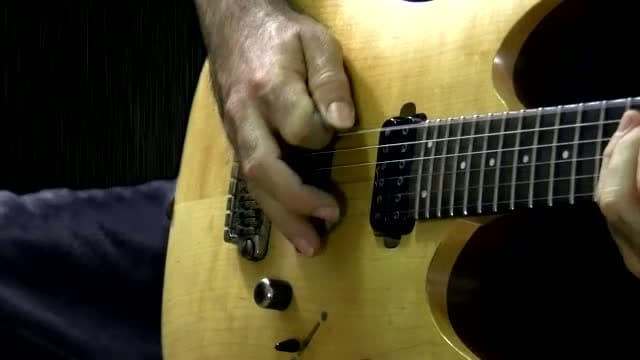
Get ready to master another death metal classic on Torrins—Symbolic by the band Death. This lesson is taught by Bobby Koelble himself, one of the guitarists on the original track. Bobby breaks down the song into several parts, covering essential chords, rhythms, and guitar tones, ensuring a detailed and engaging learning experience.
Fun Fact
Bobby Koelble joined Death after being recommended to Chuck Schuldiner, the band's co-founder, by a friend working at a local music store. Koelble and Schuldiner had known each other since high school in Orlando. After joining the band, Koelble toured with Death across the United States, Canada, Europe, and Japan before the band eventually disbanded.
Chords and Techniques Used in Symbolic
- Tuning: Standard tuning down a whole step
- Key: E minor
- Some of the chords used in this song are G#, F#, Bm, and A7. Tune in to the lesson to know the rest of the chords used in this song.
Song Structure
- Main Riff: The main riff repeats seven times and features vibrato, alternative picking, and palm muting. It includes a few power chords, one being G#.
- Chorus: The chorus riff follows the same pattern as the main riff but repeats 14 times. Tune in to the lesson for a detailed breakdown of the rest of the chorus.
- Solo Section: The solo section features four power chords. In this section, there’s a transition riff as well, which consists of four single notes and a power chord.
- Solo section played by Bobby in the original song: It is played in the key of F# and features chords like B minor, F# power chord, and A7—all diatonic to F#. He breaks down the solo into three sections: beginning, middle, and end and shares valuable tips on mastering the solo, including his creative process behind crafting the iconic riff.
Bobby plays all elements slowly, first to make it easier to follow, then repeats them at normal speed. He also explains the guitar tone in detail.
Why Learn Symbolic?
This lesson provides a detailed breakdown of one of death metal’s most iconic tracks. Bobby Koelble’s insight into the composition and technique will help you refine your alternative picking, palm muting, and power chord transitions. It's a challenging yet rewarding song to master for any metal guitarist. If you’re an advanced player or an intermediate player looking for songs to improve your techniques, this song has to be in your repertoire.
Tips to Improve Your Playing
- Start by playing the riffs at a slower pace, then gradually increase your speed.
- Pay close attention to the vibrato and palm muting techniques to capture the song’s unique tone.
- Focus on smooth chord transitions during the solo to maintain the song’s flow.
FAQs – Symbolic Guitar Lesson
Q1. Is this song suitable for beginners?
Ans: This lesson is recommended for intermediate to advanced players due to its fast-paced riffs and complex solos.
Q2. What tuning is used for this song?
Ans: The song is played in standard tuning down a whole step.



Introduction:
Torrins brings you an electrifying guitar lesson—Symphony of Destruction by Megadeth, taught by Clay Foster. This heavy-hitting metal track is part of our guitar song lesson series and is broken down into easy-to-follow sections.
Fun Fact: In an interview, vocalist Dave Mustaine shared that the lyrics for Symphony of Destruction were sparked by a headache he got while driving home. He scribbled the first lines on the back of a sushi receipt—“My metal brain’s corroding, my head is going to explode.” That spontaneous moment led to one of Megadeth’s most iconic songs, recorded on their fifth studio album Countdown to Extinction in 1992.
Song Arrangement
The song is taught in separate segments so you can master each part before moving to the next.
The song is in the key of E.
Verse
Verse is built around the F power chord and an open E power chord, along with other chords.
Downstrokes and palm muting are used in the verse—make sure to mute the strings to avoid letting notes ring out too long. Clay shares techniques like using your thumb or extra fingers to stop the sound cleanly.
Pre-Chorus
Features open palm muting and chromatic downs, creating that tight, chugging rhythm. Our lessons have a 3-angle video setup so you can clearly see hand positions and copy along easily.
Chorus
This section opens up with ringing E chords and a chromatic descending run. Chords like Bb, G#, and the D power chord makes the chorus sound more intense. Though it’s slightly more complex than the verse, Clay carefully breaks down the finger positioning and covers some fingerpicking techniques to help you through it.
After the first chorus, the main riff returns and leads into the second verse and pre-chorus, just like earlier.
The second chorus is a bit longer. The first half mirrors the first chorus, while the second half introduces new elements. Clay walks you through the difference so you can follow along confidently.
Solo Lesson
Clay breaks down the guitar solo into manageable sections.
- The first part has a bluesy riff with vibrato, bending, and palm muting.
- The second part is a 16-note rhythmic figure built around the Am6 chord, featuring some sliding techniques.
- Tune into the lesson to learn each section in detail and pick up essential phrasing skills along the way.
Sound and Tone
To capture the song’s feel, Clay dives into the tone settings. The tone is mid-rangy, which is a signature sound of Marty Friedman. Clay recommends listening to some of Friedman’s work to understand the sweet, expressive tone he’s known for.
For gear settings, Clay suggests using the middle pickup to replicate that tone more accurately.
Song Demo
The lesson wraps up with a full song demo, where Clay ties everything together. You can play along with him to practice transitions, polish your technique, and check your accuracy in real time.
FAQs – Symphony of Destruction Guitar Lesson
Q1: Is this song beginner-friendly?
Yes. While it has a few technical sections, the lesson breaks everything down clearly and provides enough guidance for newer players.
Q2: Do I need specific gear for the tone?
Clay suggests using a mid-range-focused setting with the middle pickup to get closer to Marty Friedman's tone. However, you can start with what you have and tweak as needed.
Q3: Is the solo hard to learn?
It’s approachable when broken into parts. Clay walks you through each phrase, so with some practice, you’ll be able to nail it.