Rhythm
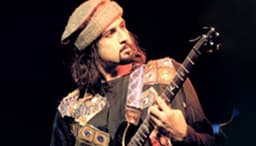
Welcome to the guitar lesson for Dariya, the soft and emotional track from the 2016 film Baar Baar Dekho. Written, composed, and sung by Arko Pravo Mukherjee, this song has a personal and heartfelt tone that sets it apart from other romantic numbers in Bollywood. Arko’s voice, paired with a delicate acoustic arrangement, makes Dariya feel more like a quiet moment than a typical film song.
Lyrically, Dariya uses the image of a river as a way to talk about longing and resistance to change. The line “O dariya, mujhe nahi jaana uss paar” isn’t just romantic, it’s also about not wanting to move on or drift away from the person you love. That’s what gives the song its emotional weight. It’s not just about love, but about the fear of losing it. It resonated deeply with listeners when it came out, especially those who found something familiar in its stillness and simplicity.
Dariya Guitar Lesson
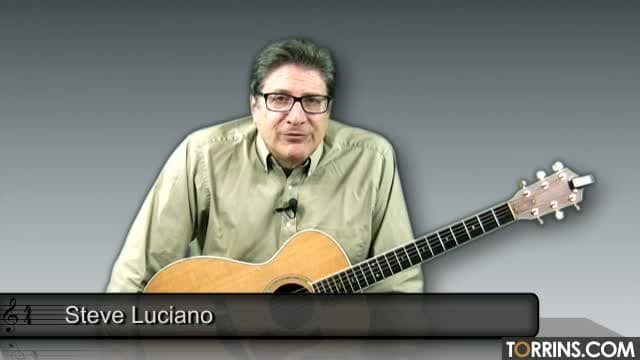
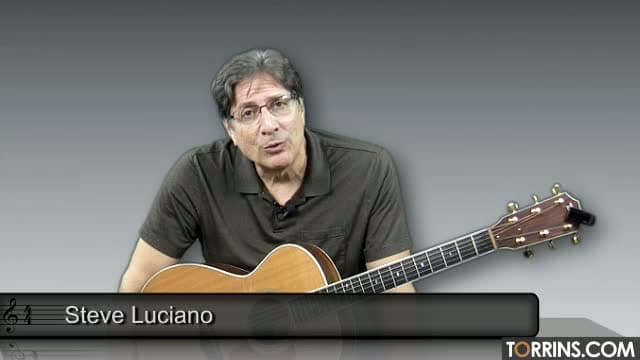
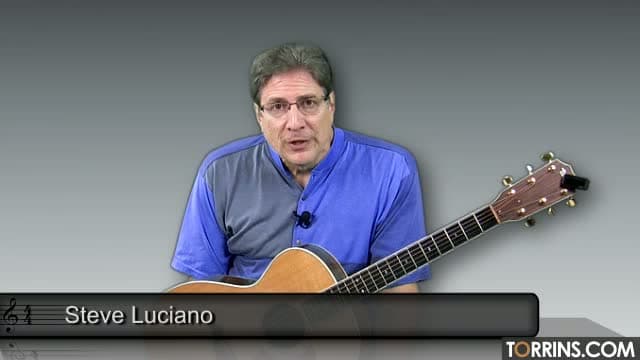
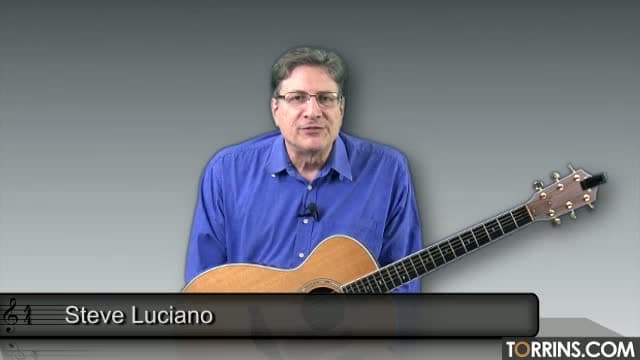
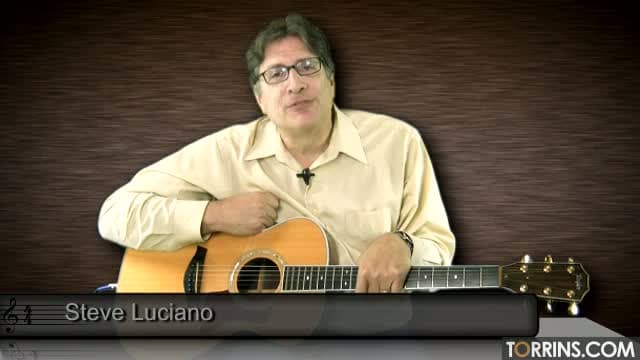
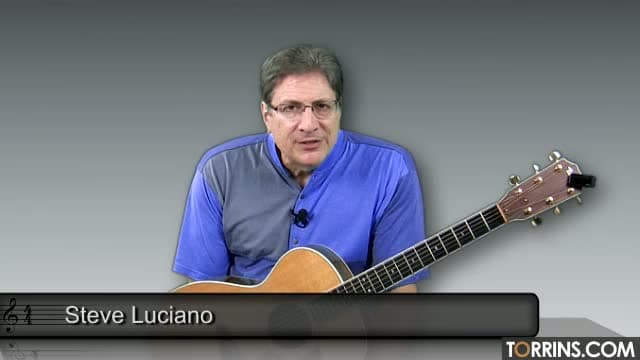
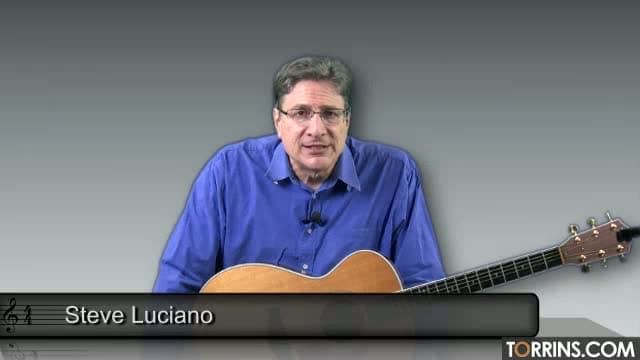
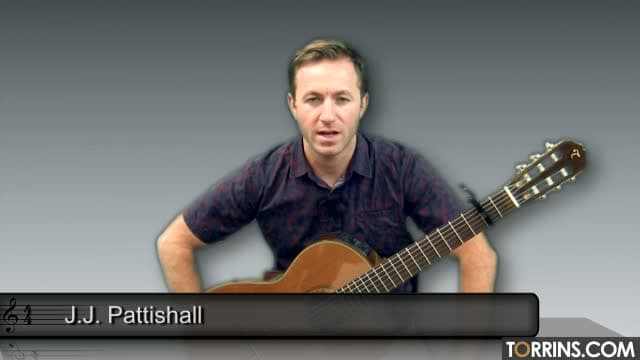
In this lesson, instructor Steve Luciano breaks down Dariya in a calm and clear way that matches the tone of the song. The track is played with a capo on the 1st fret, which raises the pitch slightly and gives the guitar a softer, warmer sound. The chords used in this version are very beginner-friendly and include G, Am7, C, Cadd9, Em7, and G/D. Steve walks through each one slowly, explaining the subtle differences between standard chords and their extended versions. For instance, Cadd9 is just a C chord with the added 9th note, which gives it a brighter, fuller feel. Em7 is like a regular Em but with a hint of openness that makes the transitions smoother.
The strumming pattern Steve demonstrates is meant to keep things simple and emotional. The rhythm follows the vocal phrasing more than a strict count, which makes it a great lesson for those learning how to “feel” a song rather than just play through the motions. He also gives tips on how to mute the strings slightly with your palm to make certain parts sound more intimate, especially during the verses.
What makes this lesson especially accessible is that even though the chords repeat often, Steve adds small details, like where to let a chord ring or when to use a hammer-on that make your playing feel closer to the original. He also talks about how to switch from open chords to chords like G/D smoothly, even if you’re new to them. And since this is a fingerstyle-friendly song, Steve shows a picking variation toward the end that you can use instead of strumming if you want to bring out the softer side of the track.
FAQs
Q. Can I play Dariya without a capo?
Yes, but it will sound lower in pitch than the original. Using a capo on the 1st fret brings the tone closer to the studio version and helps match Arko’s vocal range.
Q. Is this lesson suitable for beginners?
Absolutely. The chords are mostly open and easy to play. Even the extended chords like Cadd9 and Em7 are simple once Steve explains them.
Dariya
Introduction and Chords
Rhythm
Song Arrangement
Song Demo
Intro Piece
Improvisation
Unlock Full Access to Lyrics & Chords with Torrins Membership
Unlock with premiumWelcome to the guitar lesson for Dariya, the soft and emotional track from the 2016 film Baar Baar Dekho. Written, composed, and sung by Arko Pravo Mukherjee, this song has a personal and heartfelt tone that sets it apart from other romantic numbers in Bollywood. Arko’s voice, paired with a delicate acoustic arrangement, makes Dariya feel more like a quiet moment than a typical film song.
Lyrically, Dariya uses the image of a river as a way to talk about longing and resistance to change. The line “O dariya, mujhe nahi jaana uss paar” isn’t just romantic, it’s also about not wanting to move on or drift away from the person you love. That’s what gives the song its emotional weight. It’s not just about love, but about the fear of losing it. It resonated deeply with listeners when it came out, especially those who found something familiar in its stillness and simplicity.
Dariya Guitar Lesson
In this lesson, instructor Steve Luciano breaks down Dariya in a calm and clear way that matches the tone of the song. The track is played with a capo on the 1st fret, which raises the pitch slightly and gives the guitar a softer, warmer sound. The chords used in this version are very beginner-friendly and include G, Am7, C, Cadd9, Em7, and G/D. Steve walks through each one slowly, explaining the subtle differences between standard chords and their extended versions. For instance, Cadd9 is just a C chord with the added 9th note, which gives it a brighter, fuller feel. Em7 is like a regular Em but with a hint of openness that makes the transitions smoother.
The strumming pattern Steve demonstrates is meant to keep things simple and emotional. The rhythm follows the vocal phrasing more than a strict count, which makes it a great lesson for those learning how to “feel” a song rather than just play through the motions. He also gives tips on how to mute the strings slightly with your palm to make certain parts sound more intimate, especially during the verses.
What makes this lesson especially accessible is that even though the chords repeat often, Steve adds small details, like where to let a chord ring or when to use a hammer-on that make your playing feel closer to the original. He also talks about how to switch from open chords to chords like G/D smoothly, even if you’re new to them. And since this is a fingerstyle-friendly song, Steve shows a picking variation toward the end that you can use instead of strumming if you want to bring out the softer side of the track.
FAQs
Q. Can I play Dariya without a capo?
Yes, but it will sound lower in pitch than the original. Using a capo on the 1st fret brings the tone closer to the studio version and helps match Arko’s vocal range.
Q. Is this lesson suitable for beginners?
Absolutely. The chords are mostly open and easy to play. Even the extended chords like Cadd9 and Em7 are simple once Steve explains them.