Interlude 3-Backing Track

Fear of the Dark - Introduction
Fear of the Dark is one of Iron Maiden’s most famous songs, released in 1992 on the album of the same name. Written by bassist Steve Harris, it explores the fear of darkness and the unknown. The song starts slow and eerie, then explodes into fast, heavy riffs. It became a fan favorite, especially in live shows where the crowd sings along.
The lyrics describe the creeping fear of being alone in the dark, where every shadow feels threatening. Bruce Dickinson’s powerful vocals and the twin-guitar harmonies make it unforgettable. The song’s structure is dynamic; starting quiet, building tension, then bursting into full energy. It remains one of their most-streamed tracks today.
Fear of the Dark Guitar Lesson
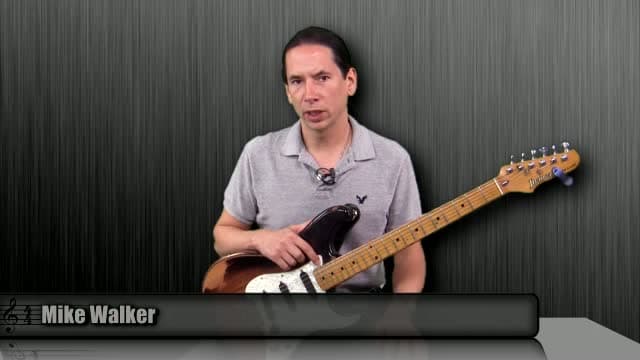
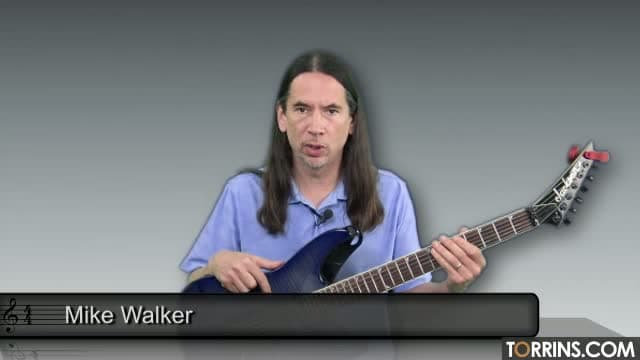
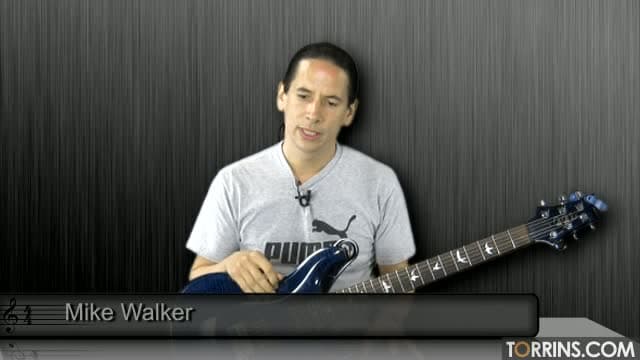
Taught by Mike Walker, this lesson breaks down the song’s F major to D minor shifts. The intro uses clean arpeggios (F - C - Dm - Bb) before the heavy riff kicks in. The main riff is in D minor, played with palm muting for a tight sound. The tempo starts at 80 BPM but speeds up later.
The verse has a chugging rhythm (D5 - C5 - Bb5), while the chorus opens up with power chords (F5 - C5 - D5 - Bb5). The solos use the D harmonic minor scale (D-E-F-G-A-Bb-C#), giving them a dark, dramatic feel. The twin-guitar harmonies are a key feature—two guitars play different but matching melodies.
For the solos, Dave Murray and Adrian Smith use the D harmonic minor scale (D-E-F-G-A-Bb-C#). This scale gives the leads their dramatic, almost classical sound. The twin-guitar harmonies are a key feature—one guitar plays a melody while the other plays a matching part at a different pitch. These harmonies use intervals of thirds and sixths to create that classic Iron Maiden sound.
The bridge section before the final chorus has a rhythm part with quick chord changes. Here, you switch between D5 - F5 - C5 - Bb5 in rapid succession. The key is to keep your palm muting consistent while moving between chords. The song ends with a repeat of the intro arpeggios.
Beginners should start by learning the power chord shapes and the galloping rhythm pattern. Practice the palm muting to get that tight, punchy sound. Intermediate players can work on the twin-guitar harmonies—try recording one part and playing the other over it. Advanced players should focus on the vibrato and bends in the solos, which need to be precise to match the original recording.
FAQs
Q. What tuning does Iron Maiden use for this song?
Standard tuning (EADGBE), though they sometimes play it half-step down live.
Q. How do I play the rhythm correctly?
Use downstrokes on the main beats and upstrokes in between (down-down-up). Start slow with a metronome.
Q. Why does the solo sound so dramatic?
It uses the D harmonic minor scale, which has a raised 7th note (C# instead of C natural).
Q. Can I play this song on a single guitar?
Yes, but you’ll miss the harmonies. Try recording one guitar part and playing the other over.
Fear of the Dark
Introduction
Intro Riff-Distortion
Clean Intro
Verse and Chorus
Interlude 1
Remaining Verses and Choruses
Interlude 2
Interlude 2-Backing Track
Song Demo
Song Demo-Guitar 2
Interlude 3
Interlude 3-Backing Track
Solo 1
Solo 2
Fear of the Dark - Introduction
Fear of the Dark is one of Iron Maiden’s most famous songs, released in 1992 on the album of the same name. Written by bassist Steve Harris, it explores the fear of darkness and the unknown. The song starts slow and eerie, then explodes into fast, heavy riffs. It became a fan favorite, especially in live shows where the crowd sings along.
The lyrics describe the creeping fear of being alone in the dark, where every shadow feels threatening. Bruce Dickinson’s powerful vocals and the twin-guitar harmonies make it unforgettable. The song’s structure is dynamic; starting quiet, building tension, then bursting into full energy. It remains one of their most-streamed tracks today.
Fear of the Dark Guitar Lesson
Taught by Mike Walker, this lesson breaks down the song’s F major to D minor shifts. The intro uses clean arpeggios (F - C - Dm - Bb) before the heavy riff kicks in. The main riff is in D minor, played with palm muting for a tight sound. The tempo starts at 80 BPM but speeds up later.
The verse has a chugging rhythm (D5 - C5 - Bb5), while the chorus opens up with power chords (F5 - C5 - D5 - Bb5). The solos use the D harmonic minor scale (D-E-F-G-A-Bb-C#), giving them a dark, dramatic feel. The twin-guitar harmonies are a key feature—two guitars play different but matching melodies.
For the solos, Dave Murray and Adrian Smith use the D harmonic minor scale (D-E-F-G-A-Bb-C#). This scale gives the leads their dramatic, almost classical sound. The twin-guitar harmonies are a key feature—one guitar plays a melody while the other plays a matching part at a different pitch. These harmonies use intervals of thirds and sixths to create that classic Iron Maiden sound.
The bridge section before the final chorus has a rhythm part with quick chord changes. Here, you switch between D5 - F5 - C5 - Bb5 in rapid succession. The key is to keep your palm muting consistent while moving between chords. The song ends with a repeat of the intro arpeggios.
Beginners should start by learning the power chord shapes and the galloping rhythm pattern. Practice the palm muting to get that tight, punchy sound. Intermediate players can work on the twin-guitar harmonies—try recording one part and playing the other over it. Advanced players should focus on the vibrato and bends in the solos, which need to be precise to match the original recording.
FAQs
Q. What tuning does Iron Maiden use for this song?
Standard tuning (EADGBE), though they sometimes play it half-step down live.
Q. How do I play the rhythm correctly?
Use downstrokes on the main beats and upstrokes in between (down-down-up). Start slow with a metronome.
Q. Why does the solo sound so dramatic?
It uses the D harmonic minor scale, which has a raised 7th note (C# instead of C natural).
Q. Can I play this song on a single guitar?
Yes, but you’ll miss the harmonies. Try recording one guitar part and playing the other over.
Fear of the Dark
Introduction
Intro Riff-Distortion
Clean Intro
Verse and Chorus
Interlude 1
Remaining Verses and Choruses
Interlude 2
Interlude 2-Backing Track
Song Demo
Song Demo-Guitar 2
Interlude 3
Interlude 3-Backing Track
Solo 1
Solo 2
Explore More in English Songs
Introduction
Tune into a guitar lesson on the classic heavy metal song "The Trooper" brought to you by Torrins, led by our expert instructor, Bobby Koeble. This song by the English heavy metal band Iron Maiden was released in 1983, and a live version of the song was issued in 2005.
Fun Fact: "The Trooper" by Iron Maiden was inspired by the famous Charge of the Light Brigade during the Crimean War in 1854. The song’s lyrics are based on Alfred, Lord Tennyson’s poem of the same name, which describes the bravery and tragic loss of British cavalry who were misled into a deadly Russian artillery ambush. The intense galloping rhythm of the song reflects the chaos and urgency of the battlefield charge.
Bobby breaks down this classic song lesson into the following parts to ensure a smooth learning experience for learners:
Introduction
Intro Riff
Main Riff & Verse
Chorus & Song Arrangement
Solo 1- Part 1 & 2
Rhythm for Solos
Solo 2
Solo 2 using Whammy Bars
Discussion & Conclusion
Trooper with Backing Track
Chords Used in The Trooper Guitar Lesson
- Most of the song is in the key of E or E minor with a 4/4 time signature. Bobby plays the song in standard tuning.
- The chorus uses a D chord followed by a low E power chord.
- The solos are in the key of A minor and use chords like G, and F, along with others.
- There are harmony parts in the intro and main riffs, with techniques like pull-offs and whammy bar used in the solos.
Strumming Pattern
- The song follows a fast-paced, galloping rhythm—a signature Iron Maiden style.
- Bobby breaks down the strumming pattern and offers options for handling the harmony in the intro.
- Beginners can start with a simple downstroke rhythm, while more advanced players can work on refining the galloping feel.
Song Structure
The song unfolds with a clear and consistent progression that keeps listeners engaged from start to finish. It kicks off with a high-energy intro riff, a fast-paced harmony section that repeats four times to set the tone. This leads into the main riff and verse, where the finger placements and note sequences are broken down for easy understanding.
From there, the momentum builds into the chorus, which delivers a bold shift in rhythm and mood. After returning briefly to the main harmony riff, the song moves into the second verse, introducing a slight rhythmic variation with a galloping feel that adds fresh texture.
The next pass through the chorus sets the stage for not just one, but two solo sections, each packed with expressive phrasing and technique. After the solos, the main harmony riff reappears, anchoring the listener before launching into the third and final verse. Finally, the track winds down with an outro that circles back to the familiar intensity of the intro, bringing the piece full circle with a satisfying sense of closure.
Improvisation Techniques
- The solos are played in A minor.
- Solo 2 includes whammy bar technique for added depth and expression.
Bobby ends the lesson by playing along with a backing track—a great way to practice and refine your playing.
FAQs – The Trooper Guitar Lesson
Q1. Is this song suitable for beginners?
It’s more suited for intermediate players due to the fast-paced rhythm and advanced solo work.
Q2. What’s the key challenge in this song?
The galloping rhythm and smooth chord transitions require precision and practice.
Q3. Do I need a special tuning?
No, the song is played in standard tuning.


Introduction:
Torrins brings you an exciting guitar lesson on Sultans of Swing by Dire Straits, taught by Mike Dugan. This song blends fingerstyle finesse with classic rock grooves, and Mike breaks it all down into bite-sized lessons so you can follow along at your own pace.
Interesting Fact
Mark Knopfler originally wrote the song on a National Steel guitar in open tuning. He thought it sounded dull—until he tried it on his 1961 Fender Stratocaster. The moment he plugged it in, the song “came alive,” and the now-famous chord changes practically wrote themselves.
Chords & Progression
This song is in the key of D minor and uses both barre and open chords.
Chords include: Dm (barre), Bb, A7, F, and others.
The progression is smartly structured across the different sections, and Mike breaks down which chords go where and how they’re distributed across measures.
Song Structure
Each section is covered in detail, including how the chords and rhythms evolve throughout the song.
Intro Rhythm and Bounce Feel
One of the most iconic parts of Sultans of Swing is its bounce. Mike explains how this bounce is created by returning to the D minor chord in the intro, and how to use finger lifts and muting to shape the rhythm. He simplifies the feel for beginners while encouraging a relaxed hand to avoid letting the guitar ring too much. The subtle muting helps create those signature accents that make this riff so catchy.
Riff Rhythm
The riff acts as the instrumental bridge between verses and chorus, and it’s rhythmically complex. Mike shares a unique method to help you internalize the up and down strumming pattern and nail the timing.
Verse and Chorus – Singing & Playing Together
Mike walks you through how to match your vocals with the guitar parts, offering tips on timing and phrasing. The chorus uses a repetitive chord progression, so once you lock it in, you can focus more on dynamics and vocal delivery.
Intro Lead and Riffs
The lead parts are based around the D minor pentatonic scale, with one note borrowed from F major, and also include arpeggios. Mike breaks this down note by note, making the intro riff approachable even for those who are new to lead playing.
Solo Improvisation
The end solo of the song is a masterclass in feel and phrasing. Mike starts at the 10th fret and teaches the solo string by string. He introduces a cool technique called calming, along with triplet patterns, giving your solo a more expressive touch.
Main Riff Breakdown
To wrap up, Mike teaches the main riff of the song, played using a pick and two fingers for a hybrid picking effect. The riff includes the D minor triad and showcases how intricate fingerpicking can add character to a song.
FAQs – Sultans of Swing Guitar Lesson
Q1: Is this song beginner-friendly?
It’s more suited for intermediate players, but Mike breaks it down clearly, and beginners can still follow along section by section.
Q2: Do I need a capo?
No capo is needed for this version.
Q3: How do I get the “Knopfler feel”?
Focus on muting, dynamic accents, and hybrid picking. Let the rhythm breathe, and play with feel over flash.




Introduction:
Torrins brings you another country sing-and-play lesson "You Ain’t Goin’ Nowhere", recorded by The Byrds and originally written by Bob Dylan. Taught by Mike Dugan, this lesson makes it easy for anyone to learn, whether you’re just starting out or looking to refine your rhythm and strumming technique.
Fun Fact: Bob Dylan wrote You Ain’t Goin’ Nowhere in 1967 during his self-imposed exile following a motorcycle accident. The Byrds later popularized the song with their signature country-rock sound.
Chords & Song Structure
This song is played in the key of G and follows a simple country chord progression, making it a very easy song to learn and play for players of all skill levels.
Chords Used - G, Am, and others. Mike walks through the finger placements and transitions, ensuring you get a smooth chord change.
The lesson also covers chord distribution across measures, making it easy to follow along and learn.
Strumming Pattern & Rhythm
The song has two strumming approaches:
- Beginner-Friendly Strumming – Simple downstrums that keep the rhythm steady and easy to sing along with.
- Advanced Strumming – For players looking to add more depth, Mike introduces a DDUDD pattern, explaining where to add accents for a more dynamic sound.
The lesson also includes tips on rhythm timing to attain the song’s natural flow.
Sing & Play
One of the biggest challenges for many players is singing while playing. Mike breaks down the coordination between vocals and guitar, showing:
- Which words align with downstrums
- Where to pause or hold a chord
- How to gradually add complexity to your strumming without losing the vocal flow
If you want to be the life of the party, this lesson will help you sing and play smoothly, even if you’ve never done it before. So, get your guitar ready and start strumming along to this timeless country classic today.
Final Playthrough – Bringing It All Together
Mike plays through the entire song twice—once with the beginner strumming pattern and then with the advanced version. The song has a retarded (slowed-down) ending, which he explains in the end.
He also advises starting with simple strumming, building confidence, and then progressing to advanced strumming techniques.
Why Learn You Ain’t Goin’ Nowhere?
Perfect for beginners – The song has easy chords, simple structure, and a laid-back strumming pattern.
Great for sing-alongs – It will help you learn how to balance vocals and guitar.
Ideal for country and folk lovers – The song has a classic country rhythm and storytelling approach to the lyrics.
FAQs – You Ain’t Goin’ Nowhere Guitar Lesson
Q1: Is this lesson beginner-friendly?
Yes! This lesson is one of the easiest sing-and-play songs to learn on Torrins.com.
Q2: What if I struggle with advanced strumming?
Stick with the basic downstrums first. Once you're comfortable, move on to the DDUDD pattern with accents.


Introduction:
Get ready to learn You Send Me by Sam Cooke with instructor Mike Dugan on Torrins. This lesson covers everything from basic chords and strumming patterns to advanced solo techniques, making it suitable for both beginners and more experienced players. Mike breaks down the song step-by-step, helping you match your vocals with the chords and refine your rhythm for a polished performance.
Fun Fact: This was Sam Cooke’s debut single and it was a glorious debut– it peaked at number 1 position on both Billboard's Rhythm & Blues Records chart and the Billboard Hot 100. It was also named as one of the 500 most important rock and roll recordings by the Rock & Roll Hall of Fame.
Chords and Techniques Used in You Send Me
- Key: The original song is in the key of F for vocals, but Mike moves it to the key of G since it’s easier to follow on the guitar.
- Chords Used:
- G, D or D7, Am, and others
- He explains easy chord transitions and provides alternatives for beginners struggling with barre chords.
- Strumming Pattern:
- For Beginners:
- Use downstrokes, with two strums per chord for the verse.
- The verse uses open chords, with downstrokes on the numbers and upstrokes on the "and" counts.
- Tip: Don’t force the upstrokes—keep them light and natural.
- For Advanced Players:
- Mike demonstrates an advanced rhythm pattern using downstrokes with a triplet feel.
- He explains how to create a smoother, more dynamic strumming effect.
- For Beginners:
Song Structure
- Verse 1 and Verse 2: The two verses follow the same chord pattern and strumming technique. He also teaches how to match your vocals with the chords for a cohesive sound.
- Bridge: The bridge includes barre chords, but Mike teaches open chord alternatives for beginners. He explains the correct positioning for barre chords in detail to help you improve your grip and clarity.
- Solo Section: The solo is in the key of G major. The lead follows the relative minor of G (E minor), using the E minor pentatonic scale. For advanced players, he demonstrates a creative technique that makes the solo sound very close to the original recording.
Why Learn You Send Me?
This lesson not only teaches you how to play the song but also helps you develop better rhythm, improve chord transitions, and explore creative soloing techniques. The mix of beginner-friendly guidance and advanced options makes it a well-rounded learning experience.
Tips to Improve Your Playing
- Start slow with the strumming pattern to build muscle memory.
- Focus on smooth transitions between chords.
- For the solo, practice the E minor pentatonic scale separately before combining it with the backing track.
- Follow along with the tabs provided for a comprehensive learning experience.
FAQs – You Send Me Guitar Lesson
Q1. Is this song suitable for beginners?
Ans: Yes! The lesson includes beginner-friendly chords and strumming patterns, along with alternatives for challenging barre chords.
Q2. What’s the best way to improve my chord transitions?
Ans: Start slowly and focus on switching between two chords at a time before increasing your speed.
Q3. Do I need a capo for this song?
Ans: No capo is required, but you can experiment with different chord voicings to match your vocal range.


Similar Metal Songs



Introduction:
Torrins brings you an in-depth guitar lesson on Zero Tolerance by Death, taught by none other than Bobby Koelble—one of the original guitarists on the track. This lesson dissects the song’s intricate riffs, multiple solos, and unique techniques to help you master this classic death metal piece.
Fun Fact: The title Zero Tolerance was later used for two compilation albums released under Chuck Schuldiner’s name, featuring rare demo material from both Death and Control Denied.
Tuning and Song Structure
- Standard tuning, down a whole step.
- Multiple solos from both Chuck Schuldiner and Bobby Koelble.
- This Lesson is structured into key sections: Introduction, Intro Riff, Solo-1 (Chuck), Chorus, Bridge, Main Solos (Chuck & Bobby), Solo 2 (Bobby), Song Demo, and Final Note on Chorus.
- Make sure to use the provided chords and tabs to follow along!
Breaking Down the Song
Intro Riff
- Mostly in the key of E minor.
- Straightforward riff featuring power chords, including low E power chords.
- Incorporates muted string techniques for a tight and punchy sound.
First Solo (Chuck Schuldiner)
- Simple power chord progression in the background, one of which is C.
- Features an E minor major 7 arpeggio.
- Chuck was known for focusing on feel rather than strict technical terms—tune into the lesson for an in-depth breakdown!
Chorus
- Includes a riff and a melody.
- Has a slow tempo (for a Death song), making it one of the easier riffs to play.
- Features low E power chords, single notes, and palm-muted sections, along with other chords.
Bridge
- A relatively easy section featuring some power chords and palm-muted notes.
- Watch the lesson to master the additional chords!
Main Solo (Chuck Schuldiner)
- Opens with a harmonized melodic lick up the 3rd.
- Uses the A harmonic minor scale.
- Bobby shares valuable insights on writing melodic solos—a must-watch for aspiring songwriters.
Main Solo (Bobby Koelble)
- Played in F# minor.
- Starts with an introductory lick harmonized up a 5th, then shifts to a minor 3rd harmony.
- Solo is broken down into multiple digestible sections for easy learning.
Solo 2 (Bobby Koelble)
- A short but technical solo occurring between the verse and chorus.
- Starts with a C note and a tapped harmonic.
- This section covers artificial harmonics.
Final Note on Chorus
- Discusses the background chords heard in the final chorus.
- Bobby teaches unique finger positioning techniques to recreate the exact sound.
Song Demo & Summary
To wrap it all up, Bobby plays the full song with a backing track, demonstrating how all the sections come together.
Why Learn Zero Tolerance?
- Learn palm muting, power chord progressions, and harmonized melodies.
- Master multiple solo styles, from Chuck’s emotive phrasing to Bobby’s technical intricacies.
- Get valuable songwriting and soloing insights from an original artist of the song.
FAQs – Zero Tolerance Guitar Lesson
Q1. Is this lesson beginner-friendly?
- This lesson leans more towards intermediate to advanced players.
Q2. How can I improve my palm muting technique?
- Focus on muting with the side of your palm near the bridge while maintaining a tight, controlled attack.
Q3. Are tabs provided for the lesson?
- Yes! The chords and tabs included will help you nail every section.