Introduction
Introduction:
The Final Countdown is the iconic song of Swedish rock band Europe which was released in 1986. The song was written by lead singer Joey Tempest.
Strumming Pattern
This song has a mix of palm-muting rhythm, open strumming, and melodic lead parts. The common strumming pattern which you can follow for this song is D D D D D D D D .
Make sure to keep your strokes short and control them using palm muting.
Song Structure
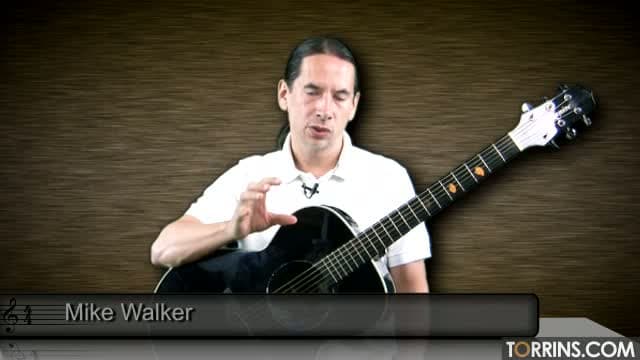
Introduction: In this section your guitar instructor Mike Walker is going to teach you how to tune your guitar in order to use it for the song.
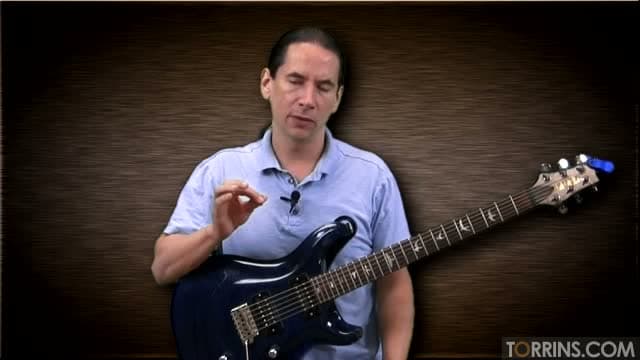
Intro Parts: In this part of the guitar lesson your guitar instructor is going to show you how to play the synth part which comes in the intro of the song.
Song Arrangement Part 1: This section shows how you should be playing the verse section of the song and you will be playing these particular chords twice in the song.
Song Arrangement Part 2: Here, Mike shows you how to play the interlude, which is present in the song and is played alongside crash symbols.
Song Demo: This is the part where Mike Walke shows you how to play the guitar parts with the backing track.
Main Motif: This is the section where you will learn how to play the iconic motif, which
makes the song so memorable and classic.
Solo Lesson: Mike shares his knowledge of how you should be playing the harmonic solo of
this song in addition to the guitar chords.
Harmony Solo: This particular guitar part is played above the arpeggios section of the song.
Why Learn Final Countdown Song On Guitar By Europe Song?
Final Countdown is more than just a rock song, it's a rock anthem which has an instantly recognizable melody which is played at the beginning of the song.
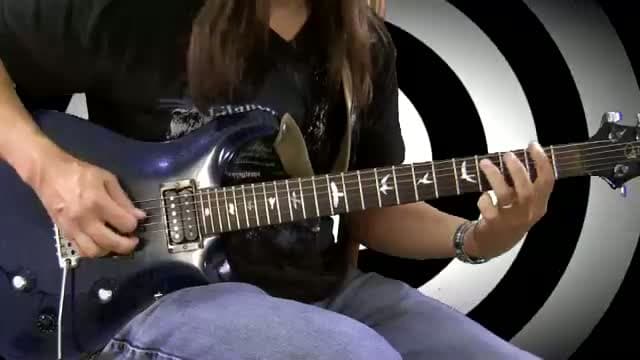
The main keyboard riff can be easily played on guitar and learning it will help you practice lead techniques. The intro and the verse are great for learning melodic playing which is used a lot of time in rock music.
FAQs – This Song Guitar Lesson
Q1. Why is the Final Countdown so Famous?
Ans. The song reached number spot in 25 different countries, it is Europe’s only top 10 hit to this day. In addition to this, it is the band's most popular song of all time, the song which made the band famous all over the world.
Q2. What is the original BPM of the Final Countdown?
Ans. Final Countdown has a somber tune to it, as a result, the tempo of the song lies in 118 BPM. You can also use a half-time tempo at 59 BPM, or double-time it at 236 BPM.
Q3. Who is Europe's lead singer?
Ans. Joey Tempest is the lead singer of the rock band Europe.
Q4. How many hits did Europe have?
Ans. Europe has 20 albums in the Billboard 200 charts, including The Final Countdown and Out Of This World. In addition to this, they have three songs in the top 30 singles on the Billboard Hot 100 Chart.
Fun Fact: The lyrics of the song were written after getting inspired by David Bowie’s “Space Oddity.” The song was only intended to be a concert opener, but it became the band’s best song of all time.
Final Countdown
Introduction
Intro Parts
Song Arrangement Part 1
Song Arrangement Part 2
Song Demo
Main Motif
Solo Lesson
Harmony Solo
Unlock Full Access to Lyrics & Chords with Torrins Membership
Unlock with premiumIntroduction:
The Final Countdown is the iconic song of Swedish rock band Europe which was released in 1986. The song was written by lead singer Joey Tempest.
Strumming Pattern
This song has a mix of palm-muting rhythm, open strumming, and melodic lead parts. The common strumming pattern which you can follow for this song is D D D D D D D D .
Make sure to keep your strokes short and control them using palm muting.
Song Structure
Introduction: In this section your guitar instructor Mike Walker is going to teach you how to tune your guitar in order to use it for the song.
Intro Parts: In this part of the guitar lesson your guitar instructor is going to show you how to play the synth part which comes in the intro of the song.
Song Arrangement Part 1: This section shows how you should be playing the verse section of the song and you will be playing these particular chords twice in the song.
Song Arrangement Part 2: Here, Mike shows you how to play the interlude, which is present in the song and is played alongside crash symbols.
Song Demo: This is the part where Mike Walke shows you how to play the guitar parts with the backing track.
Main Motif: This is the section where you will learn how to play the iconic motif, which
makes the song so memorable and classic.
Solo Lesson: Mike shares his knowledge of how you should be playing the harmonic solo of
this song in addition to the guitar chords.
Harmony Solo: This particular guitar part is played above the arpeggios section of the song.
Why Learn Final Countdown Song On Guitar By Europe Song?
Final Countdown is more than just a rock song, it's a rock anthem which has an instantly recognizable melody which is played at the beginning of the song.
The main keyboard riff can be easily played on guitar and learning it will help you practice lead techniques. The intro and the verse are great for learning melodic playing which is used a lot of time in rock music.
FAQs – This Song Guitar Lesson
Q1. Why is the Final Countdown so Famous?
Ans. The song reached number spot in 25 different countries, it is Europe’s only top 10 hit to this day. In addition to this, it is the band's most popular song of all time, the song which made the band famous all over the world.
Q2. What is the original BPM of the Final Countdown?
Ans. Final Countdown has a somber tune to it, as a result, the tempo of the song lies in 118 BPM. You can also use a half-time tempo at 59 BPM, or double-time it at 236 BPM.
Q3. Who is Europe's lead singer?
Ans. Joey Tempest is the lead singer of the rock band Europe.
Q4. How many hits did Europe have?
Ans. Europe has 20 albums in the Billboard 200 charts, including The Final Countdown and Out Of This World. In addition to this, they have three songs in the top 30 singles on the Billboard Hot 100 Chart.
Fun Fact: The lyrics of the song were written after getting inspired by David Bowie’s “Space Oddity.” The song was only intended to be a concert opener, but it became the band’s best song of all time.
Final Countdown
Introduction
Intro Parts
Song Arrangement Part 1
Song Arrangement Part 2
Song Demo
Main Motif
Solo Lesson
Harmony Solo
Unlock Full Access to Lyrics & Chords with Torrins Membership
Unlock with premiumExplore More in English Songs


Introduction
Want to learn some popular tunes from the mid-'90s? Torrins has got you covered! Tune into our guitar song lesson on James Taylor’s version of the 1959 hit Handy Man. This song tutorial is led by our expert teacher, Steve Luciano, who has decades of experience teaching and playing guitar. He breaks down the Handy Man lesson into chords, rhythm, and strumming patterns to make learning this song a smooth process for you.
Fun fact: Did you know this song has been a hit twice? Handy Man was originally recorded by Jimmy Jones in 1959 and became a huge success, reaching #2 on the Billboard Hot 100. Nearly two decades later, James Taylor recorded his own mellow, acoustic version in 1977, which also became a hit, peaking at #4 on the Billboard Hot 100 and earning Taylor a Grammy Award for Best Male Pop Vocal Performance. How cool is that?
This version of Handy Man is a great example of James Taylor’s signature acoustic fingerpicking style, incorporating unique harmonies and intricate transitions. If you’re looking for a simpler version, we’ve got that too—check it out on the Torrins website!
Chords Used in Handy Man Guitar Lesson
This song is played in the key of D and features some interesting chord transitions. Here are some of the key chords used:
- Main chords: D, A, and some others.
- When reharmonizing the second verse: Em, F#m7
- Slash chords to add depth and movement: A/C#, G/B, and a few others.
Tune into the complete Handy Man song lesson to know the rest of the chords.
Steve breaks down unique chord transitions specific to this song to help you capture its distinct, smooth sound.
Fingerpicking & Strumming Techniques
Unlike traditional fingerpicking, Handy Man features more of a plucking style—playing bass notes while plucking the strings together for a fuller sound.
- The song starts with pickup notes and incorporates hammer-ons to add subtle dynamics.
- If you’re not comfortable with fingerpicking, you can strum the entire song instead. It still sounds great!
Song Structure & Rhythm
This song follows a classic verse-chorus format.
- Keep an eye on chord transitions, especially when moving between slash chords, as they add a unique colour to the song.
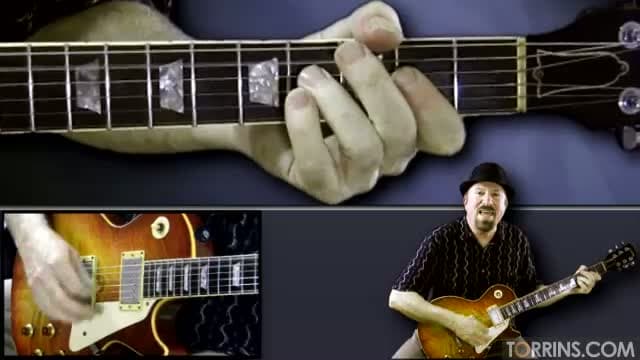
- The multi-angle camera views (focused on fretting, strumming, and a complete overview) help you get a clear, close-up look at all movements –making learning much faster and more effective.
- Make use of tabs and lyrics for a smoother and more structured learning experience.
Why Learn the song Handy Man on guitar?
James Taylor’s Handy Man is a fantastic piece for learning fingerpicking while maintaining a steady rhythm. Plus, it’s an excellent exercise for improving chord transitions and adding finesse to your playing.
FAQs – Handy Man Guitar Lesson
Q1. Do I have to use fingerpicking?
You can strum the entire song if you prefer. However, fingerpicking brings out its full depth.
Q2. How can I make my transitions smoother?
Steve shares specific techniques for transitioning between chords effortlessly. Practising slowly and focusing on finger positioning will help.