Electric Overdubs

Introduction
Welcome to the bass lesson for Have You Ever Seen the Rain (Smokie version). Originally written by John Fogerty and released by Creedence Clearwater Revival in 1971, this timeless classic has been covered by many artists, including Smokie on their 1995 album The World and Elsewhere.
This lesson is taught by Mike Walker and is set in the key of C with standard tuning. It’s a straightforward yet expressive song, making it perfect for both beginners looking to sharpen their technique and intermediate players who want to refine their timing and feel.
Lesson Breakdown
Mike takes a step-by-step approach to make learning smooth and approachable.
- Intro: The intro starts with a short, tasteful lick that begins on the G string before moving to the low E. Mike also demonstrates a subtle twist here: taking the 5th of the note lower instead of the usual higher, which adds a unique flavor to the line. This is followed by another short lick, carefully broken down so you can catch every nuance.
- Verse: The verse introduces a light hammer-on lick and moves back and forth between the G and C strings. It also includes a simple but effective walking bass line. Mike explains each step slowly, highlighting when to use chromatic movements and when to hold back, making it very beginner-friendly.
- Chorus: In the chorus, Mike divides the section into smaller movements for easier learning. He also explains how to lock in your groove with the guitar and drums to create a tight rhythm section feel.
- Underneath the Guitar Solos: You’ll also learn what’s happening in the bass line beneath the guitar solos. This part involves a subtle kick-drum-inspired rhythm, moving across the frets using four key chords to keep the groove steady.
Once all the sections are covered, Mike ties it all together by playing the full arrangement along with a backing track. This demo helps reinforce everything you’ve learned and is perfect for practising your transitions smoothly.
Have You Ever Seen the Rain
Introduction
Song Arrangement
Have you ever seen the rain (Song Demo)
Electric Overdubs
Solo Lesson
Unlock Full Access to Lyrics & Chords with Torrins Membership
Unlock with premiumIntroduction
Welcome to the bass lesson for Have You Ever Seen the Rain (Smokie version). Originally written by John Fogerty and released by Creedence Clearwater Revival in 1971, this timeless classic has been covered by many artists, including Smokie on their 1995 album The World and Elsewhere.
This lesson is taught by Mike Walker and is set in the key of C with standard tuning. It’s a straightforward yet expressive song, making it perfect for both beginners looking to sharpen their technique and intermediate players who want to refine their timing and feel.
Lesson Breakdown
Mike takes a step-by-step approach to make learning smooth and approachable.
- Intro: The intro starts with a short, tasteful lick that begins on the G string before moving to the low E. Mike also demonstrates a subtle twist here: taking the 5th of the note lower instead of the usual higher, which adds a unique flavor to the line. This is followed by another short lick, carefully broken down so you can catch every nuance.
- Verse: The verse introduces a light hammer-on lick and moves back and forth between the G and C strings. It also includes a simple but effective walking bass line. Mike explains each step slowly, highlighting when to use chromatic movements and when to hold back, making it very beginner-friendly.
- Chorus: In the chorus, Mike divides the section into smaller movements for easier learning. He also explains how to lock in your groove with the guitar and drums to create a tight rhythm section feel.
- Underneath the Guitar Solos: You’ll also learn what’s happening in the bass line beneath the guitar solos. This part involves a subtle kick-drum-inspired rhythm, moving across the frets using four key chords to keep the groove steady.
Once all the sections are covered, Mike ties it all together by playing the full arrangement along with a backing track. This demo helps reinforce everything you’ve learned and is perfect for practising your transitions smoothly.
Have You Ever Seen the Rain
Introduction
Song Arrangement
Have you ever seen the rain (Song Demo)
Electric Overdubs
Solo Lesson
Unlock Full Access to Lyrics & Chords with Torrins Membership
Unlock with premiumExplore More in English Songs

Introduction:
Learn to play Elmore James' version of "It Hurts Me Too" with this detailed guitar lesson on Torrins.com taught by our instructor Mike Dugan. This classic 8-bar blues song features soulful melodies, a walking bassline, and the Delta blues technique, making it a must-learn for blues enthusiasts. This lesson includes chords, rhythm techniques, solo breakdowns, and a full song demo, with tabs and lyrics provided for a complete learning experience.
Fun Fact:
"It Hurts Me Too" is one of the most interpreted blues songs ever! Originally recorded by Tampa Red in 1940, Elmore James' recorded it once in 1957 and then in 1962. His 1962 version became a hit, staying on the Hot Rhythm & Blues Singles chart for eight weeks and even making its way to Billboard’s Bubbling Under Hot 100 Singles chart two years after his passing.
Chords & Rhythm in "It Hurts Me Too"
- Key: D
- Chords Used: D7, A7, and others. Tune into the lesson to learn the rest of the chords used.
- Rhythm Pattern: DUDDUDDUDDUD (He also teaches an alternative positioning for a different feel.
- For advanced players, a Chuck Berry-style rhythm is introduced to add a more dynamic groove.
- The Delta blues technique is broken down in detail, ensuring you capture the authentic blues sound.
Sing & Play Section
- The lesson covers how to match vocals with chord changes and maintain steady downbeat strumming.
- The punchline of each verse remains the same, making it easier to follow along while singing.
Solo Breakdown
- The solo begins in the D major blues scale, bringing a bright and melodic sound.
- After a few measures, it shifts into D minor pentatonic, adding emotional depth and contrast.
- Mike Dugan explains this major-to-minor blues transition, a technique that gives the song its signature feel.
Song Demo
- In this final section, Mike plays the full song with a backing track, bringing together all elements learned in the lesson. Follow along with him to learn the intricacies of this song perfectly.
Why Learn "It Hurts Me Too"?
This lesson is a great way to improve blues phrasing, rhythm control, and soloing techniques. Whether you're a beginner looking to learn essential blues progressions or an advanced player eager to refine your Delta blues technique, this song is an excellent addition to your repertoire.
FAQs – "It Hurts Me Too" Guitar Lesson
Q1. Is this lesson beginner-friendly?
Yes! The song uses simple chords, and the lesson breaks everything down step by step, making it accessible for all skill levels.
Q2. Can I play the song without singing?
Absolutely! The lesson teaches the instrumental parts separately, so you can focus on mastering the guitar before adding vocals.
Q3. How do I improve my blues soloing?
This lesson introduces a major-to-minor blues shift, a great technique for creating emotional and expressive solos. Practice this transition to add more depth to your playing. Moreover, you can also check out our in-depth Blues Guitar lessons to improve your skills.


Introduction:
Torrins brings you an in-depth guitar lesson on Zero Tolerance by Death, taught by none other than Bobby Koelble—one of the original guitarists on the track. This lesson dissects the song’s intricate riffs, multiple solos, and unique techniques to help you master this classic death metal piece.
Fun Fact: The title Zero Tolerance was later used for two compilation albums released under Chuck Schuldiner’s name, featuring rare demo material from both Death and Control Denied.
Tuning and Song Structure
- Standard tuning, down a whole step.
- Multiple solos from both Chuck Schuldiner and Bobby Koelble.
- This Lesson is structured into key sections: Introduction, Intro Riff, Solo-1 (Chuck), Chorus, Bridge, Main Solos (Chuck & Bobby), Solo 2 (Bobby), Song Demo, and Final Note on Chorus.
- Make sure to use the provided chords and tabs to follow along!
Breaking Down the Song
Intro Riff
- Mostly in the key of E minor.
- Straightforward riff featuring power chords, including low E power chords.
- Incorporates muted string techniques for a tight and punchy sound.
First Solo (Chuck Schuldiner)
- Simple power chord progression in the background, one of which is C.
- Features an E minor major 7 arpeggio.
- Chuck was known for focusing on feel rather than strict technical terms—tune into the lesson for an in-depth breakdown!
Chorus
- Includes a riff and a melody.
- Has a slow tempo (for a Death song), making it one of the easier riffs to play.
- Features low E power chords, single notes, and palm-muted sections, along with other chords.
Bridge
- A relatively easy section featuring some power chords and palm-muted notes.
- Watch the lesson to master the additional chords!
Main Solo (Chuck Schuldiner)
- Opens with a harmonized melodic lick up the 3rd.
- Uses the A harmonic minor scale.
- Bobby shares valuable insights on writing melodic solos—a must-watch for aspiring songwriters.
Main Solo (Bobby Koelble)
- Played in F# minor.
- Starts with an introductory lick harmonized up a 5th, then shifts to a minor 3rd harmony.
- Solo is broken down into multiple digestible sections for easy learning.
Solo 2 (Bobby Koelble)
- A short but technical solo occurring between the verse and chorus.
- Starts with a C note and a tapped harmonic.
- This section covers artificial harmonics.
Final Note on Chorus
- Discusses the background chords heard in the final chorus.
- Bobby teaches unique finger positioning techniques to recreate the exact sound.
Song Demo & Summary
To wrap it all up, Bobby plays the full song with a backing track, demonstrating how all the sections come together.
Why Learn Zero Tolerance?
- Learn palm muting, power chord progressions, and harmonized melodies.
- Master multiple solo styles, from Chuck’s emotive phrasing to Bobby’s technical intricacies.
- Get valuable songwriting and soloing insights from an original artist of the song.
FAQs – Zero Tolerance Guitar Lesson
Q1. Is this lesson beginner-friendly?
- This lesson leans more towards intermediate to advanced players.
Q2. How can I improve my palm muting technique?
- Focus on muting with the side of your palm near the bridge while maintaining a tight, controlled attack.
Q3. Are tabs provided for the lesson?
- Yes! The chords and tabs included will help you nail every section.






Introduction:
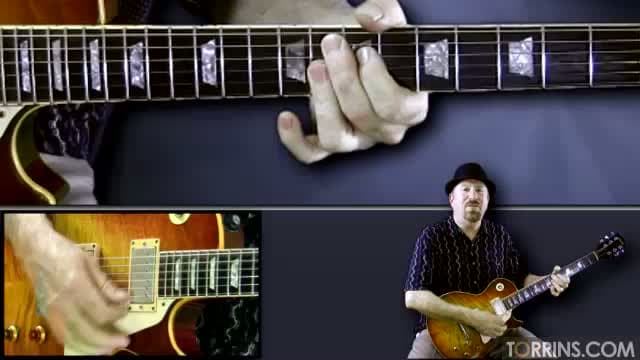
Torrins brings you another legendary blues guitar lesson—Stormy Monday as played by The Allman Brothers Band, taught by Mike Dugan. This classic blues song is packed with soulful chords, smooth rhythm, and expressive lead playing, making it a must-learn for any blues guitarist.
Fun Fact: Originally written by T-Bone Walker, Stormy Monday inspired blues legends like B.B. King to pick up the electric guitar. Moreover, the Allman Brothers' 1971 version, with jazzy organ and extended solos, transformed it into an iconic 8-minute masterpiece.
Chords & Song Arrangement
- This song follows a 12-bar blues progression in the key of G, incorporating both open and barre chords:
- Chords Used – G#7, Am7, Bbm7, and more. Some chords are barre chords, but Mike provides easier alternatives for different playing levels.
- Since T-Bone was known for his 9th chords, Mike also teaches 9th chord variations to bring out that authentic blues feel.
- The song includes a subtle sharp climb, adding to the T-Bone Walker-style phrasing.
Rhythm & Strumming Pattern
- Time Signature: 4/4
- Main Rhythm: A slow blues groove with a simple strumming pattern at first.
- Alternative Rhythm: A 6-feel rhythm (double-time feel), adding an upbeat bluesy bounce.
Mike also demonstrates advanced rhythmic techniques, incorporating double stops, slides, and dynamic accents to enhance the song’s groove.
Intro Lick, Turnaround & Ending
- Intro Lick – A G9 chord-based intro, first broken down in a simplified version before introducing more advanced variations using sharp and augmented chords.
- Turnaround – Mike walks through classic turnaround chords, showing how they fit into the blues form.
- Ending – He teaches a common blues-style ending which is useful for countless other blues songs.
Sing & Play – Coordinating Vocals & Guitar
Want to sing while playing? Mike shares practical tips on how to sync your vocals with the guitar. He encourages adding your own feel to the song while staying true to its blues roots.
Lead Fills & Lead Playing
- Lead Fills: The lesson starts with small lead fills that complement the vocals.
- Key & Scales: He uses the G minor pentatonic blues scale and major blues in G for expressive phrasing.
- Playing Lead in Slow Blues: Mike demonstrates bends, sustains, and dynamics, making your solos sound rich and emotional.
Improvisation & Playing with a Backing Track
- Here Mike explains how to improvise and when to use the major vs. minor scale. He also demonstrates how to craft a melodic, bluesy solo.
- Follow his approach, and soon, you’ll be confidently improvising your own slow blues solos!
Final Playthrough with Backing Track
To wrap up the lesson, Mike plays the full song with a backing track, reinforcing all the techniques covered. Watch closely and play along to lock in the feel and phrasing of this blues classic.
Why Learn Stormy Monday?
- Classic blues structure – great for understanding blues chord progressions.
- Improves both rhythm & lead playing – covers everything from chords to expressive solos.
- Perfect for improvisation – teaches you how to craft slow blues solos with feel.
FAQs – Stormy Monday Guitar Lesson
Q1: Is this lesson beginner-friendly?
Yes! Mike provides simplified chord alternatives and breaks down the song step by step.
Q2: What’s the most challenging part?
The double-time solo can be tricky, but Mike teaches how to ease into it.
Q3: How do I make my solos sound bluesier?
Focus on bends, vibrato, and using both the major & minor blues scales—all of which Mike explains in detail!

Introduction:
Torrins brings you another heartfelt guitar song lesson I Will Be Here by Steven Curtis Chapman, taught by J.J. Pattishall. This lesson focuses on fingerpicking, chord transitions, and rhythm techniques, making it a great song to develop both your picking accuracy and emotional expression.
Interesting Fact: This song carries deep personal meaning. Chapman wrote it as a promise to his wife during a difficult time when his parents were going through a divorce. It became one of his most beloved songs, offering reassurance and commitment through its lyrics and melody.
Chords & Song Structure
This lesson breaks the song into easy-to-follow sections: Intro & Verse, Chorus, Bridge, Song Demo, Rhythm, and Sing & Play.
Capo is on the 1st fret
Key used is D (relative to capo), actual tuning is Eb
Chords Used:
- Intro & Verse: Dsus2, A7sus4, Bm (a barre chord), Em7, and others
- Chorus: Bm/A, A/G, D/F#, and more
- Bridge: Includes a diminished chord and a piano/instrumental section
J.J. shares some alternatives for the difficult chords such as barre chords.
The chords are arpeggiated, giving the song its signature flow. J.J. carefully explains finger placement and picking techniques to help you achieve the song’s delicate feel.
Fingerpicking & Rhythm Patterns
This song features a beautiful fingerpicking pattern. J.J. breaks it down in detail, ensuring that even beginners can grasp the technique.
For those who find fingerpicking challenging, he also introduces two basic rhythm patterns as an alternative:
- DDUDDUDDUD – A straightforward strumming pattern
- DDUUDDDUUD – Adds syncopation for a more dynamic feel
Verse, Chorus & Bridge Breakdown
- Intro & Verse: J.J. carefully walks through the arpeggiated chords and explains how to maintain a steady rhythm. He also shares a technique to create a flowing fingerpicking style.
- Chorus: The transitions between chords like Bm/A, F#, A/G, and D/F# are broken down step by step. He highlights turnarounds, ensuring smooth movement between sections.
- Bridge: Features a diminished chord, adding tension and resolution to the song. J.J. also explains the piano and instrumental section.
Sing & Play – Coordinating Vocals & Guitar
This lesson doesn’t just teach you how to play the guitar part—it also helps you combine playing with singing. J.J. explains:
- How to sync your strumming or fingerpicking with the lyrics
- Phrasing techniques to match the melody with chord changes
- How to make the song your own while staying true to its essence
Final Song Demo & Play-Along
To bring everything together, J.J. performs the song with a backing track, reinforcing all the techniques covered in the lesson. This play-along section lets you practice along and refine your timing and transitions.
Why Learn I Will Be Here?
- Develops fingerpicking skills – great for improving coordination and technique
- Enhances chord transitions – teaches smooth movement between complex shapes
FAQs – I Will Be Here Guitar Lesson
Q1: Is this lesson beginner-friendly?
Yes! While the fingerpicking and chord shapes may seem tricky at first, J.J. provides simplified alternatives and a step-by-step breakdown.
Q2: Can I strum instead of fingerpick?
Absolutely. J.J. introduces two strumming patterns for those who prefer a rhythmic approach.
Q3: Do I need a capo?
Yes, place the capo on the 1st fret to match the song’s key.