

No Description Available
Explore More in English Songs









Introduction:
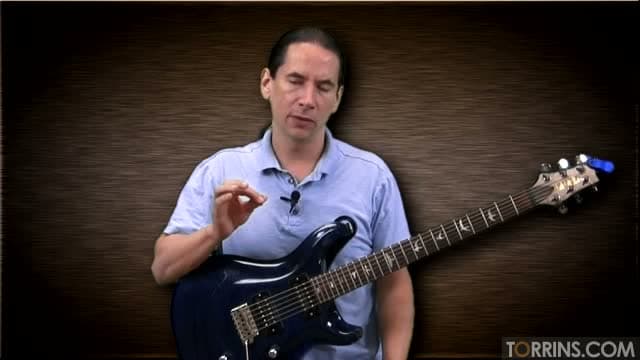
Torrins brings you an in-depth guitar lesson on Zero Tolerance by Death, taught by none other than Bobby Koelble—one of the original guitarists on the track. This lesson dissects the song’s intricate riffs, multiple solos, and unique techniques to help you master this classic death metal piece.
Fun Fact: The title Zero Tolerance was later used for two compilation albums released under Chuck Schuldiner’s name, featuring rare demo material from both Death and Control Denied.
Tuning and Song Structure
- Standard tuning, down a whole step.
- Multiple solos from both Chuck Schuldiner and Bobby Koelble.
- This Lesson is structured into key sections: Introduction, Intro Riff, Solo-1 (Chuck), Chorus, Bridge, Main Solos (Chuck & Bobby), Solo 2 (Bobby), Song Demo, and Final Note on Chorus.
- Make sure to use the provided chords and tabs to follow along!
Breaking Down the Song
Intro Riff
- Mostly in the key of E minor.
- Straightforward riff featuring power chords, including low E power chords.
- Incorporates muted string techniques for a tight and punchy sound.
First Solo (Chuck Schuldiner)
- Simple power chord progression in the background, one of which is C.
- Features an E minor major 7 arpeggio.
- Chuck was known for focusing on feel rather than strict technical terms—tune into the lesson for an in-depth breakdown!
Chorus
- Includes a riff and a melody.
- Has a slow tempo (for a Death song), making it one of the easier riffs to play.
- Features low E power chords, single notes, and palm-muted sections, along with other chords.
Bridge
- A relatively easy section featuring some power chords and palm-muted notes.
- Watch the lesson to master the additional chords!
Main Solo (Chuck Schuldiner)
- Opens with a harmonized melodic lick up the 3rd.
- Uses the A harmonic minor scale.
- Bobby shares valuable insights on writing melodic solos—a must-watch for aspiring songwriters.
Main Solo (Bobby Koelble)
- Played in F# minor.
- Starts with an introductory lick harmonized up a 5th, then shifts to a minor 3rd harmony.
- Solo is broken down into multiple digestible sections for easy learning.
Solo 2 (Bobby Koelble)
- A short but technical solo occurring between the verse and chorus.
- Starts with a C note and a tapped harmonic.
- This section covers artificial harmonics.
Final Note on Chorus
- Discusses the background chords heard in the final chorus.
- Bobby teaches unique finger positioning techniques to recreate the exact sound.
Song Demo & Summary
To wrap it all up, Bobby plays the full song with a backing track, demonstrating how all the sections come together.
Why Learn Zero Tolerance?
- Learn palm muting, power chord progressions, and harmonized melodies.
- Master multiple solo styles, from Chuck’s emotive phrasing to Bobby’s technical intricacies.
- Get valuable songwriting and soloing insights from an original artist of the song.
FAQs – Zero Tolerance Guitar Lesson
Q1. Is this lesson beginner-friendly?
- This lesson leans more towards intermediate to advanced players.
Q2. How can I improve my palm muting technique?
- Focus on muting with the side of your palm near the bridge while maintaining a tight, controlled attack.
Q3. Are tabs provided for the lesson?
- Yes! The chords and tabs included will help you nail every section.



Similar Rock Songs


Introduction
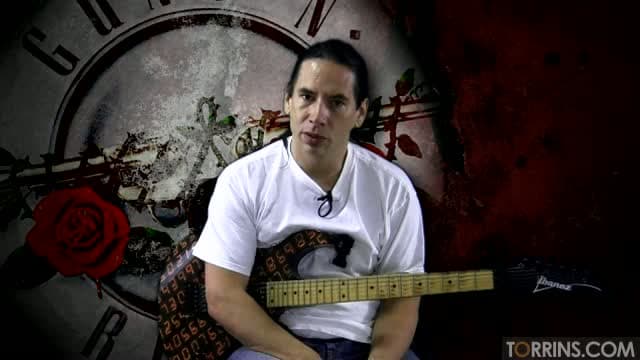
Tune into Torrins’ guitar song lesson on the iconic single by American rock band Guns N' Roses, Sweet Child O’ Mine. This chart-topping hard rock song is taught by our instructor, Mike Walker. He has broken down the lesson into 10 parts for a detailed understanding of each section and to make learning easier. Find dedicated lessons on the intro, verses, choruses, interlude solos, main solo, and outro.
Fun Fact: "Sweet Child O' Mine" was born out of a playful jam session at the band’s house. Slash was fooling around with a "circus" melody to make drummer Steven Adler laugh when Izzy Stradlin suggested turning it into a song. Within an hour, the band had crafted the core structure, and Axl Rose, inspired by his girlfriend Erin Everly, wrote the heartfelt lyrics by the following afternoon.
Chords Used in Sweet Child O' Mine Guitar Lesson
This song is played in half-step down tuning and features a mix of open chords and power chords. Some of the key chords used in the song include:
- C, D, Cadd9
- A power chord, Dsus4
Tune into the full lesson to learn all the chords and how to transition between them seamlessly.
Strumming Pattern
- Intermediate/advanced rhythm: Alternating strumming pattern with pull-off techniques for added depth
- A lick is layered over the chorus, and Mike walks you through how to blend it into the song smoothly
Song Structure
This song follows a well-defined verse-chorus format:
- Intro Riff – The iconic opening lick is based on a repetitive motion with just the first note changing. It’s repeated twice.
- Verse 1 & 2 – Follows an 8-bar phrase played twice using three chords. Incorporates a pull-off pattern. Mike breaks down the intricacies of the verses in great detail.
- Chorus – Mix of power chords and open chords like A power chord, C5, and Dsus4. A lick is played over the chorus for added texture.
- Solo 1 – The rhythm underneath the solo is half the length of the verse.
- Verse 2 – Similar to Verse 1.
- Chorus 2 – Same as Chorus 1.
- Solo 2 – A longer solo covering an entire verse.
- Chorus 3 – Double the length of the previous choruses.
- Outro Solo – Includes wah-wah pedal, hammer-ons, pull-offs, sliding, and some resting measures for dynamic effect.
Why Learn Sweet Child O' Mine?
This lesson covers not just the guitar parts but also the feel and dynamics that make the song iconic.
- Learn the nuances of Slash’s soloing style
- Improve your pull-offs and hammer-ons
- Master playing with a wah-wah pedal for expressive control
FAQs – Sweet Child O' Mine Guitar Lesson
Q1. Is this song beginner-friendly?
Ans: This lesson is ideal for intermediate and advanced players.
Q2. What’s the trick to mastering the intro riff?
Ans: Focus on the repetitive pattern and ensure the other strings are muted for a clean sound.

Introduction
Learn to play Island In The Sun by an American rock band called Weezers with this beginner-friendly guitar tutorial, taught by our expert tutor, Steve Luciano. Master chords, rhythms, and backing tracks with ease.
Steve breaks this song down using just four simple chords—yes, only four—played in a repetitive pattern. Two of them? E minor and A minor. Want to learn the rest and master the rhythm that brings this song to life? Tune in to the full tutorial!
Chords Used in Island In The Sun Guitar Lesson
Verse & Chorus Chords: The verse and chorus use open string chords
The original version of the song is played using movable chords, however, Steve teaches this guitar song tutorial using open chords to ensure ease of playing for beginners.
Steve breaks down this song to play it using 4 easy chords used repetitively. However, the rhythm is slightly complex.
Strumming Pattern: This song follows a common 4/4 time signature with a two-measure pattern. Steve uses an anticipating rhythm to add syncopation on the upbeat, giving the song a more dynamic feel
For the intro part, the rhythm is slightly tricky– DDUDDUUDUDD.
However, as the vocal comes in, the rhythm becomes simpler and repeats in this pattern– DDUDDDDUDD
Since the rhythm of this is slightly more complex, Steve teaches this song using simple open string chords, instead of movable chords like the original version, so that it’s easier on the left hand. This gives an overall great groove to the song.
Why Learn Island in the Sun on the Guitar?
- This guitar lesson focuses on rhythm mastery, particularly syncopation and anticipating beats.
- Great for improving timing, strumming control, and chord switching.
- Provides a relaxed, island-like groove, making it fun to play.
Tips for Mastering the Rhythm
Start slow: Play the intro rhythm at a slower tempo and then gradually increase the speed.
- Use a metronome: It helps develop consistency, especially with anticipation and syncopation.
- Strum lightly: Overstrumming can kill the groove—aim for a relaxed wrist motion.
FAQs – Island In The Sun Guitar Lesson
Q1: Is this song beginner-friendly?
- Yes! Although the rhythm is slightly tricky, Steve simplifies it by using open chords instead of movable ones.
Q2: How can I improve my rhythm for this song?
- Focus on anticipation, follow Steve’s guidance, and practice with a metronome.




Introduction:
Learn the groove metal song, Walk, by American heavy metal band Pantera from their sixth album, Vulgar Display of Power, on Torrins. Our expert instructor, Bobby Koeble, known for his metal guitar skills, will walk you through this detailed lesson. This lesson caters to both beginner and intermediate guitarists, with clear instructions and helpful tips.
Fun Fact: "Walk" by Pantera was inspired by the band's experience with changing relationships after they became famous. Guitarist Dimebag Darrell said the main riff was influenced by a simple rhythm they would play during soundchecks, which eventually turned into the song's iconic groove. The song's aggressive "walk on home, boy" line reflects the band's frustration with people who treated them differently after their success.
Bobby breaks this song lesson into various segments for detailed understanding and a smooth learning curve-
- Introduction & Tuning
- Intro Riff
- Intro Power Chords
- Verse
- Prechorus
- Chorus, Arrangement, & Outro
- Solo parts 1, 2, and 3
- Song with Backing Track
Each part is taught step by step, making it easier to follow along and learn the whole song at your own pace.
Chords Used in the Walk Guitar Lesson
The song is played in standard tuning down a whole step and a quarter lower.
Some of the key chords featured throughout include the Eb/Bb power chord, the D over A chord, the Db power chord, and the G chord.
Strumming Pattern
The rhythm follows a triplet-based feel, creating a steady groove. Downstroke picking is essential for maintaining the song's aggressive tone, especially during the pre-chorus and chorus. Fast-paced song with power chords making up most of the rhythm section.
Song Structure
Intro: The intro riff is simple yet powerful, all played on the 6th string. Bobby breaks down the intro by slowing it down and providing alternatives for ease of playing. The intro involves bending, slides, and a 3-note figure.
Verse: Verse follows the same 3-note figure from the intro, creating a repetitive yet driving rhythm.
Pre-Chorus: Involves power chords, including D over A, Db, and G, along with others. This section combines whole note values and half note values for a dynamic feel.
Chorus: Same as the power chord-heavy part from the intro. Note that the second chorus is played twice as long for added intensity.
Solo: The solo is divided into three distinct parts. There’s a dedicated video lesson for each part.
Outro: The song features a fading riff based on the intro section. Bobby shares a special technique for nailing this section—don't miss it!
Why Learn the Song Walk?
- This lesson teaches key metal techniques like downstrokes, bending, sliding, and vibrato.
- The song's triplet rhythm and fast pace will challenge and strengthen your playing skills.
- Learning this iconic song will add power and groove to your playing style.
Tips for Smooth Playing:
- Focus on clean transitions between chords.
- Pay attention to silencing other strings during the intro.
- Take your time with the bending and vibrato, t’s all about control!
FAQs – Walk Guitar Lesson
Q1. Is this song beginner-friendly?
Yes! The rhythm is easy to follow, the chords and solos might be trickier though.
Q2. How can I improve my triplet rhythm?
Practice slow and steady while focusing on even timing and downstrokes.
Q3. How do I maintain a clean tone while playing power chords?
Make sure to mute any unwanted strings and use proper finger positioning.