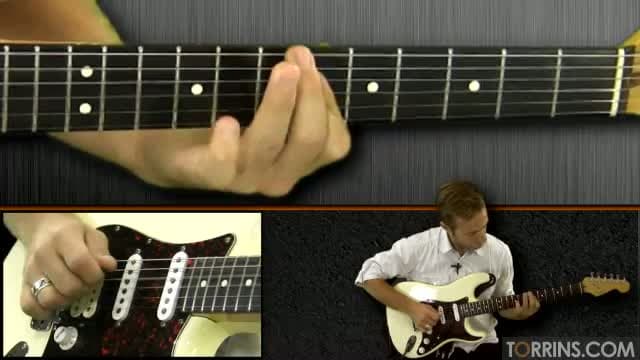
Livin on a Prayer
Introduction
Song Arrangement Part 1
Song Arrangement Part 2
Song Demo
Solo Lesson
Unlock Full Access to Lyrics & Chords with Torrins Membership
Unlock with premiumNo Description Available
Livin on a Prayer
Introduction
Song Arrangement Part 1
Song Arrangement Part 2
Song Demo
Solo Lesson
Unlock Full Access to Lyrics & Chords with Torrins Membership
Unlock with premiumExplore More in English Songs



Introduction:
Get ready to learn You Send Me by Sam Cooke with instructor Mike Dugan on Torrins. This lesson covers everything from basic chords and strumming patterns to advanced solo techniques, making it suitable for both beginners and more experienced players. Mike breaks down the song step-by-step, helping you match your vocals with the chords and refine your rhythm for a polished performance.
Fun Fact: This was Sam Cooke’s debut single and it was a glorious debut– it peaked at number 1 position on both Billboard's Rhythm & Blues Records chart and the Billboard Hot 100. It was also named as one of the 500 most important rock and roll recordings by the Rock & Roll Hall of Fame.
Chords and Techniques Used in You Send Me
- Key: The original song is in the key of F for vocals, but Mike moves it to the key of G since it’s easier to follow on the guitar.
- Chords Used:
- G, D or D7, Am, and others
- He explains easy chord transitions and provides alternatives for beginners struggling with barre chords.
- Strumming Pattern:
- For Beginners:
- Use downstrokes, with two strums per chord for the verse.
- The verse uses open chords, with downstrokes on the numbers and upstrokes on the "and" counts.
- Tip: Don’t force the upstrokes—keep them light and natural.
- For Advanced Players:
- Mike demonstrates an advanced rhythm pattern using downstrokes with a triplet feel.
- He explains how to create a smoother, more dynamic strumming effect.
- For Beginners:
Song Structure
- Verse 1 and Verse 2: The two verses follow the same chord pattern and strumming technique. He also teaches how to match your vocals with the chords for a cohesive sound.
- Bridge: The bridge includes barre chords, but Mike teaches open chord alternatives for beginners. He explains the correct positioning for barre chords in detail to help you improve your grip and clarity.
- Solo Section: The solo is in the key of G major. The lead follows the relative minor of G (E minor), using the E minor pentatonic scale. For advanced players, he demonstrates a creative technique that makes the solo sound very close to the original recording.
Why Learn You Send Me?
This lesson not only teaches you how to play the song but also helps you develop better rhythm, improve chord transitions, and explore creative soloing techniques. The mix of beginner-friendly guidance and advanced options makes it a well-rounded learning experience.
Tips to Improve Your Playing
- Start slow with the strumming pattern to build muscle memory.
- Focus on smooth transitions between chords.
- For the solo, practice the E minor pentatonic scale separately before combining it with the backing track.
- Follow along with the tabs provided for a comprehensive learning experience.
FAQs – You Send Me Guitar Lesson
Q1. Is this song suitable for beginners?
Ans: Yes! The lesson includes beginner-friendly chords and strumming patterns, along with alternatives for challenging barre chords.
Q2. What’s the best way to improve my chord transitions?
Ans: Start slowly and focus on switching between two chords at a time before increasing your speed.
Q3. Do I need a capo for this song?
Ans: No capo is required, but you can experiment with different chord voicings to match your vocal range.



Introduction
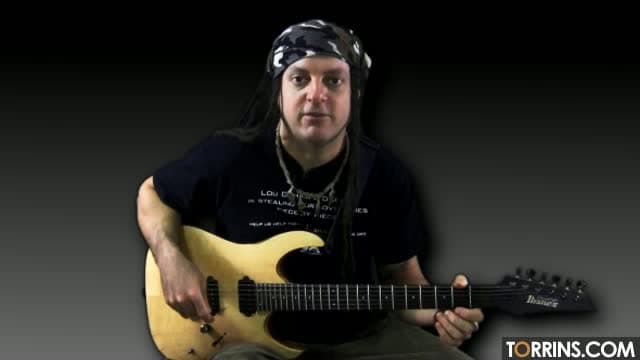
Join our expert instructor, Bobby Koeble, for an in-depth lesson on "Always With Me, Always With You" by Joe Satriani. This song is a lyrical masterpiece known for its challenging legato-style licks and smooth melodic phrasing. This intermediate to advanced-level lesson will walk you through every section of the song, helping you master both the technical and emotional elements that make it so iconic.
Interesting fact: Joe Satriani wrote "Always With Me, Always With You" as a heartfelt tribute to his wife. Unlike many of his other complex, high-energy tracks, this song stands out for its melodic simplicity and emotional depth. Satriani has said that the song represents a peaceful and constant connection with his wife, capturing the feeling of always being together no matter the distance.
Bobby has broken down the song lesson into various sections for a detailed understanding.
- Introduction
- Separate lessons for Solo section 1-6
- Conclusion and backing track
Chords Used
This song is in the key of B major and follows a 3/4 time signature. Some of the key chords used are:
- B11 – Uses the E string for added depth.
- E major – Bobby teaches a unique fingering that differs from standard chord shapes.
- G# minor and F#sus4 – Essential for the song’s harmonic feel.
Tune into the song lesson to learn the rest of the chords that make up this song.
Strumming Pattern
The rhythm of this song is signature to the tune. It follows a strict 8-note rhythm with incorporated techniques such as:
- Palm muting
- Arpeggios
- Sliding
Bobby also shares alternative ways to approach the rhythm so you can find what works best for you.
Song Structure
This song features a flowing, solo-driven structure:
Intro: It has a lyrical melody featuring legato-style licks
Solo Section 1: It is played in the key of B major and incorporates harmonics, vibrato, and sliding.
Solo Section 2: Moves higher up the neck and incorporates heavy use of vibrato and smooth phrasing.
Solo Section 3: This section has a harmony and melody change and is slightly longer and more complex. It introduces left-hand legato techniques.
Solo Section 4: Main melody moves up an octave and incorporates two-handed tapping.
Solo Section 5: It is the most rhythmically challenging part that includes double stops and varied phrasing.
Solo Section 6: Returns to the earlier melody with subtle variations in slide and inflexion. It has a fast legato-based lick to close out.
Outro: Bobby wraps up the lesson by playing along with the backing track
Why Learn This Song?
- Master left-hand legato techniques
- Develop precise control over sliding and vibrato
- Incorporate bluesy elements into your playing
- Build confidence with soloing and tapping
FAQs- Always With Me, Always With You Song Guitar Lesson
Q1. Is this song suitable for beginners?
No, this lesson is best for intermediate to advanced players due to the complex legato and tapping techniques.
Q2. How can I improve my sliding and vibrato?
Focus on timing and pressure consistency. Bobby shares detailed tips on mastering both.


Introduction
Tune in to a detailed guitar song lesson on What It’s Like, a single by the American musician, Everlast. This 1998’s release was the lead single from his second studio album called Whitey Ford Sings the Blues.
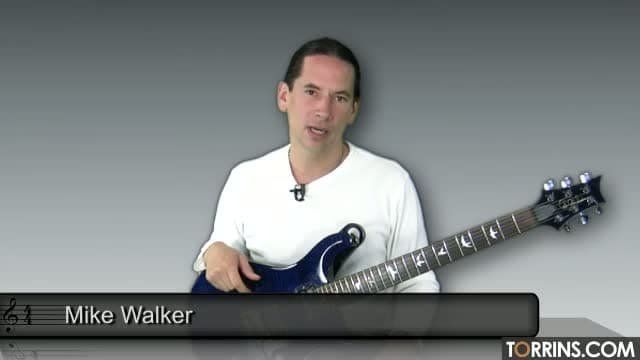
This guitar song lesson is taught by Mike Walker, an experienced musician and instructor at Torrins. He breaks the lesson down into sections: Introduction, Intro Chord Progression, Verse & Chorus, Arrangement, Interlude, and Outro.
Mike Walker teaches the What It’s Like Song guitar lesson using just 3 chords, two of which are Dm and C. No capo is needed!
Chords Used in What It's Like Guitar Lesson
- This song primarily revolves around three simple chords, making it accessible for players of all levels.
- The strumming pattern follows a DDU rhythm, adding a steady groove.
Strumming & Picking Techniques
The song subtly blends strumming and arpeggiation, giving it a dynamic and textured feel. The intro is centered around a D minor chord, with the occasional addition of Dsus4 to introduce subtle variation. Arpeggiated picking is used here to create a melodic and flowing texture, setting the tone for the rest of the song.
In the verse, the D minor chord continues to anchor the progression, while an arpeggiated riff adds depth and makes it more rhythmic.
Moving into the chorus, the strumming follows a consistent DDU (Down-Down-Up) pattern, repeated four times. On the fourth repetition, however, there’s a variation introduced at the end which is a distinctive 8-note strum pattern that adds energy and creates a pumping, driving effect.
Song Structure & Arrangement
The song builds gradually, with familiar sections repeating and subtle changes keeping things interesting. Here's a simple breakdown of how the song flows:
- Intro: A catchy opening riff sets the mood and is played four times.
- Verse 1: The main melody kicks in and repeats six times, helping you settle into the groove.
- Chorus: This part brings in energy. It’s played four times, with a twist added on the fourth round to keep things fresh.
- Interlude: A gentle picking section gives you a short breather before heading back into the main theme.
- Verse 2: Similar to the first verse, but extended — this time it's played eight times.
- Chorus: Returns with the same pattern, repeated four times.
- Bridge: Feels like a throwback to the intro, but with a longer run — played six times.
- Verse 3: Back again for eight repetitions.
- Final Chorus: Played three times as the song winds down.
- Outro: The song gradually fades out, giving it a smooth ending.
Mike shares a tip for those struggling with Fmaj7? Try leading with your third finger—this helps you get the note covered first, giving you an extra split second to position the rest of your fingers.
Why Learn What It’s Like?
- This lesson covers both strumming and fingerpicking, making it great for building dexterity.
- The song’s structure teaches you how to transition smoothly between sections and add dynamics to your playing.
- This song is a fantastic example of storytelling through music, giving you a chance to add emotion to your performance.
FAQs – What It’s Like Guitar Lesson
- Q1: Is this song beginner-friendly?
- Yes! While the Fmaj7 chord can be tricky, the slow tempo and repetitive structure make it easier to master.
- Q2: How can I improve my arpeggiation?
- Start slow, focus on even picking, and gradually increase speed.
- Q3: Do I need a capo?
- No capo is required for this version.
Fun Fact: The song became Everlast’s biggest solo hit after he left the trio House of Pain and transitioned from rap to a bluesy, acoustic hip-hop style, which was a bold and unexpected move at the time!





Similar Rock Songs





Introduction
Learn to play Island In The Sun by an American rock band called Weezers with this beginner-friendly guitar tutorial, taught by our expert tutor, Steve Luciano. Master chords, rhythms, and backing tracks with ease.
Steve breaks this song down using just four simple chords—yes, only four—played in a repetitive pattern. Two of them? E minor and A minor. Want to learn the rest and master the rhythm that brings this song to life? Tune in to the full tutorial!
Chords Used in Island In The Sun Guitar Lesson
Verse & Chorus Chords: The verse and chorus use open string chords
The original version of the song is played using movable chords, however, Steve teaches this guitar song tutorial using open chords to ensure ease of playing for beginners.
Steve breaks down this song to play it using 4 easy chords used repetitively. However, the rhythm is slightly complex.
Strumming Pattern: This song follows a common 4/4 time signature with a two-measure pattern. Steve uses an anticipating rhythm to add syncopation on the upbeat, giving the song a more dynamic feel
For the intro part, the rhythm is slightly tricky– DDUDDUUDUDD.
However, as the vocal comes in, the rhythm becomes simpler and repeats in this pattern– DDUDDDDUDD
Since the rhythm of this is slightly more complex, Steve teaches this song using simple open string chords, instead of movable chords like the original version, so that it’s easier on the left hand. This gives an overall great groove to the song.
Why Learn Island in the Sun on the Guitar?
- This guitar lesson focuses on rhythm mastery, particularly syncopation and anticipating beats.
- Great for improving timing, strumming control, and chord switching.
- Provides a relaxed, island-like groove, making it fun to play.
Tips for Mastering the Rhythm
Start slow: Play the intro rhythm at a slower tempo and then gradually increase the speed.
- Use a metronome: It helps develop consistency, especially with anticipation and syncopation.
- Strum lightly: Overstrumming can kill the groove—aim for a relaxed wrist motion.
FAQs – Island In The Sun Guitar Lesson
Q1: Is this song beginner-friendly?
- Yes! Although the rhythm is slightly tricky, Steve simplifies it by using open chords instead of movable ones.
Q2: How can I improve my rhythm for this song?
- Focus on anticipation, follow Steve’s guidance, and practice with a metronome.



Introduction
Tune in to the detailed guitar lesson for Good Riddance (Time of Your Life) on Torrins. This ballad, performed by the American rock band Green Day, is broken down step by step by our expert instructor, Steve Luciano. He explains the song’s various elements for better understanding, including chords, rhythm, and the backing track. The difficulty level of this tutorial ranges from beginner to intermediate.
Chords Used in Good Riddance (Time of Your Life) Guitar Lesson
Verse & Chorus Chords: The verse and chorus section uses open chords
Make use of the tabs provided with the lesson to follow along smoothly, understand finger placement, and improve your accuracy. The G chord in this song has a slightly more complex finger positioning than what beginners might be used to, but Steve breaks it down clearly to make it easier to play. He also offers alternative ways to approach the D/F# chord in case you find it challenging.
Strumming Pattern
Pattern: D-D-U-U-D
This pattern is played twice to complete one measure (four beats).
Steve shares great strumming tips to make the sound more defined.
Chord Transitions: Steve teaches smooth chord changes, such as G to Cadd9. Play along with Steve to get a good control over transitions.
Final Playthrough: Steve plays along with the song, showing how the full arrangement comes together.
Improvisation & Playing Techniques
- Learn how to make the full-sounding open-string G chord properly.
- Gain control over the Cadd9 chord, a popular chord in pop music.
- Tips for transitioning smoothly between chords.
Pro Tips from Steve
- Start slow – Play the melody in your head before playing along with the track, as the song has a fast strumming tempo.
- Focus on chord clarity and bass notes to make your playing sound cleaner.
FAQs – Good Riddance (Time of Your Life) Guitar Lesson
Q1. Is this song beginner-friendly?
A: Yes! While the song has a slightly complex G chord and a D/F# transition, it is still manageable for beginners with practice.
Q2. What strumming pattern is used in this song?
A: The strumming pattern is D-D-U-U-D, played twice per measure. Steve also shares tips on how to make the rhythm sound more natural and which strings to emphasize to achieve a sound closest to the original version.
Q3. Do I need a capo for this song?
A: No capo is required. The song is played in the key of G, using open chords.
Q4. Is this song played on an acoustic guitar?
A: Yes! The song is originally played on an acoustic guitar. However, you can use a clean electric guitar tone for a similar feel.
Fun Fact: The album version of this song begins with Billie Joe Armstrong messing up the opening chords twice before starting over and getting it right. These mistakes were deliberately kept to add a lighthearted introduction to the song.
The Good Riddance (Time of Your Life) song lesson is played in the key of G, and some of the chords used in this popular song include G, Cadd9, D, and D/F# (D with F# in the bass). Check out the complete lesson to learn the other chords that make up this song.