Somebody That I Used To Know
Introduction
Song Arrangement
Song Demo
Rhythmic Overdubs
Motif Sections
Sync Licks
Demo
Unlock Full Access to Lyrics & Chords with Torrins Membership
Unlock with premiumNo Description Available
Somebody That I Used To Know
Introduction
Song Arrangement
Song Demo
Rhythmic Overdubs
Motif Sections
Sync Licks
Demo
Unlock Full Access to Lyrics & Chords with Torrins Membership
Unlock with premiumExplore More in English Songs

Introduction:
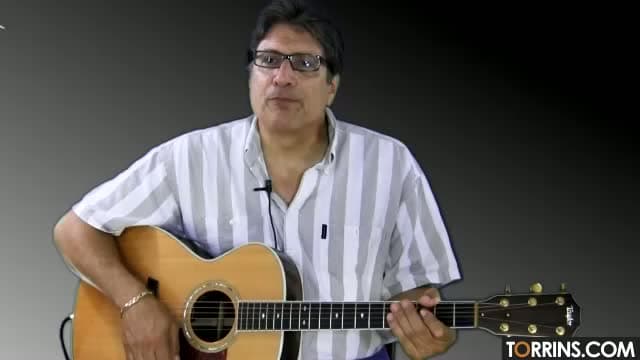
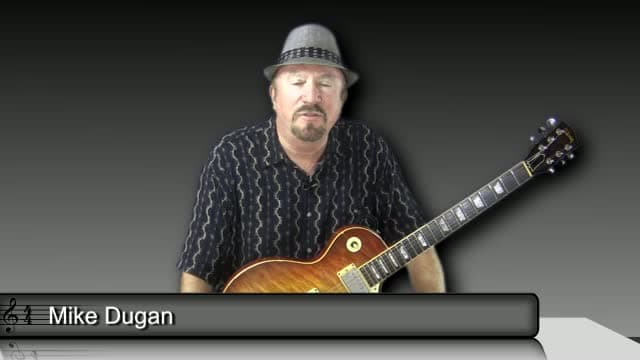
Torrins brings you a classic country guitar lesson—Your Cheatin’ Heart, written and recorded by Hank Williams in 1952. Taught by Mike Dugan, this sing and play lesson breaks down the song into easy-to-follow sections, making it perfect for beginners and experienced players alike. He breaks down the chords, rhythm, and song arrangement of the song.
Fun Fact: Did you know Williams wrote this song while driving from Nashville to Shreveport with his fiancée? After calling his first wife a "cheatin’ heart," the lyrics poured and the entire song was ready within minutes.
Chords & Song Structure
This song follows a standard verse-chorus structure with a bridge in between.
- Key: The song is in the key of C major
- Verse Chords: The verse has three basic open chords. Tune into the lesson to learn them.
- Bridge Chords: Bridge includes chords like F, D7, and others.
Mike carefully breaks down finger positioning, chord transitions, and how the chords are divided across measures. He also provides alternative fingerings to make it easier for beginners.
Do you wish to learn the intricacies of Country Guitar Playing? Check out our detailed lessons to master this style!
Strumming Patterns
This song has a simple and steady strumming style, ideal for both beginners and advanced players.
- Beginner-Friendly Strumming:
- A basic downstrum-only pattern in straight 4s to help new players get comfortable.
- Advanced Strumming Pattern:
- A more dynamic down-up pattern (DDUDDDDUDD) that adds depth and groove. Mike explains the transitions and accents in detail to help you get the authentic country feel.
Sing & Play
If you want to sing while playing, Mike provides a step-by-step breakdown of how the vocals align with the chord changes. He explains:
- How to keep your strumming steady while singing
- Where to place emphasis in both lyrics and chords
- How to build confidence in singing and playing simultaneously
He suggests beginners to start with the basic strumming pattern, and once comfortable, then they can switch to the more advanced rhythm for a fuller sound.
Moreover, you can take advantage of the accompanied lyrics in the song lesson for a comprehensive learning experience.
Why Learn Your Cheatin’ Heart?
- Classic country song that strengthens rhythm guitar skills
- Great for beginners, thanks to simple chords and a steady beat
- Teaches strumming variations, helping you develop better control
- Perfect for sing-alongs, making it a fun addition to your repertoire
FAQs Your Cheatin’ Heart Guitar Lesson
Q1: Is this song beginner-friendly?
Yes! The song uses simple open chords and a steady strumming pattern, making it perfect for beginners.
Q2: What if I struggle with singing and playing at the same time?
Start with basic downstrums to get comfortable. Once you have the rhythm down, gradually add vocals.
Q3: Do I need a capo for this song?
No capo is needed. The song is played in the key of C with open chords.





Introduction
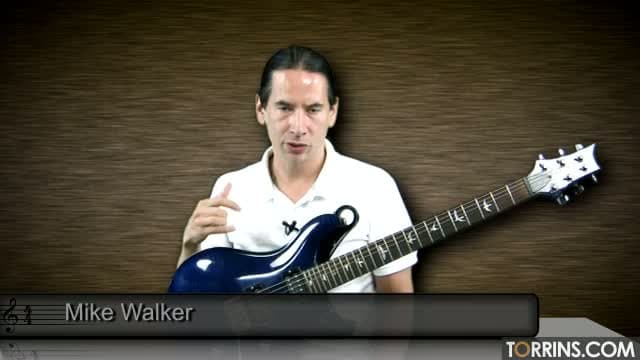
Welcome to the bass lesson for Have You Ever Seen the Rain (Smokie version). Originally written by John Fogerty and released by Creedence Clearwater Revival in 1971, this timeless classic has been covered by many artists, including Smokie on their 1995 album The World and Elsewhere.
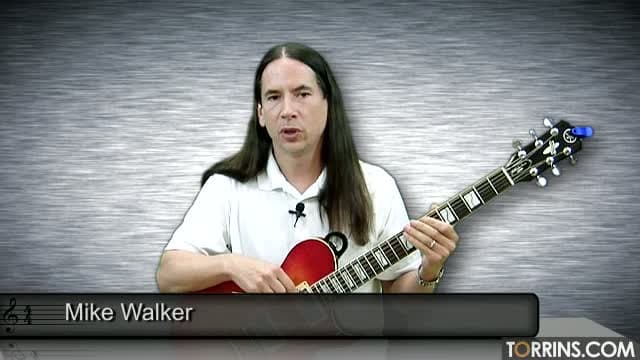
This lesson is taught by Mike Walker and is set in the key of C with standard tuning. It’s a straightforward yet expressive song, making it perfect for both beginners looking to sharpen their technique and intermediate players who want to refine their timing and feel.
Lesson Breakdown
Mike takes a step-by-step approach to make learning smooth and approachable.
- Intro: The intro starts with a short, tasteful lick that begins on the G string before moving to the low E. Mike also demonstrates a subtle twist here: taking the 5th of the note lower instead of the usual higher, which adds a unique flavor to the line. This is followed by another short lick, carefully broken down so you can catch every nuance.
- Verse: The verse introduces a light hammer-on lick and moves back and forth between the G and C strings. It also includes a simple but effective walking bass line. Mike explains each step slowly, highlighting when to use chromatic movements and when to hold back, making it very beginner-friendly.
- Chorus: In the chorus, Mike divides the section into smaller movements for easier learning. He also explains how to lock in your groove with the guitar and drums to create a tight rhythm section feel.
- Underneath the Guitar Solos: You’ll also learn what’s happening in the bass line beneath the guitar solos. This part involves a subtle kick-drum-inspired rhythm, moving across the frets using four key chords to keep the groove steady.
Once all the sections are covered, Mike ties it all together by playing the full arrangement along with a backing track. This demo helps reinforce everything you’ve learned and is perfect for practising your transitions smoothly.
Similar Pop Songs






Introduction:
Get ready to learn You Send Me by Sam Cooke with instructor Mike Dugan on Torrins. This lesson covers everything from basic chords and strumming patterns to advanced solo techniques, making it suitable for both beginners and more experienced players. Mike breaks down the song step-by-step, helping you match your vocals with the chords and refine your rhythm for a polished performance.
Fun Fact: This was Sam Cooke’s debut single and it was a glorious debut– it peaked at number 1 position on both Billboard's Rhythm & Blues Records chart and the Billboard Hot 100. It was also named as one of the 500 most important rock and roll recordings by the Rock & Roll Hall of Fame.
Chords and Techniques Used in You Send Me
- Key: The original song is in the key of F for vocals, but Mike moves it to the key of G since it’s easier to follow on the guitar.
- Chords Used:
- G, D or D7, Am, and others
- He explains easy chord transitions and provides alternatives for beginners struggling with barre chords.
- Strumming Pattern:
- For Beginners:
- Use downstrokes, with two strums per chord for the verse.
- The verse uses open chords, with downstrokes on the numbers and upstrokes on the "and" counts.
- Tip: Don’t force the upstrokes—keep them light and natural.
- For Advanced Players:
- Mike demonstrates an advanced rhythm pattern using downstrokes with a triplet feel.
- He explains how to create a smoother, more dynamic strumming effect.
- For Beginners:
Song Structure
- Verse 1 and Verse 2: The two verses follow the same chord pattern and strumming technique. He also teaches how to match your vocals with the chords for a cohesive sound.
- Bridge: The bridge includes barre chords, but Mike teaches open chord alternatives for beginners. He explains the correct positioning for barre chords in detail to help you improve your grip and clarity.
- Solo Section: The solo is in the key of G major. The lead follows the relative minor of G (E minor), using the E minor pentatonic scale. For advanced players, he demonstrates a creative technique that makes the solo sound very close to the original recording.
Why Learn You Send Me?
This lesson not only teaches you how to play the song but also helps you develop better rhythm, improve chord transitions, and explore creative soloing techniques. The mix of beginner-friendly guidance and advanced options makes it a well-rounded learning experience.
Tips to Improve Your Playing
- Start slow with the strumming pattern to build muscle memory.
- Focus on smooth transitions between chords.
- For the solo, practice the E minor pentatonic scale separately before combining it with the backing track.
- Follow along with the tabs provided for a comprehensive learning experience.
FAQs – You Send Me Guitar Lesson
Q1. Is this song suitable for beginners?
Ans: Yes! The lesson includes beginner-friendly chords and strumming patterns, along with alternatives for challenging barre chords.
Q2. What’s the best way to improve my chord transitions?
Ans: Start slowly and focus on switching between two chords at a time before increasing your speed.
Q3. Do I need a capo for this song?
Ans: No capo is required, but you can experiment with different chord voicings to match your vocal range.