Somebody That I Used To Know
Introduction
Song Arrangement
Song Demo
Rhythmic Overdubs
Motif Sections
Sync Licks
Demo
Unlock Full Access to Lyrics & Chords with Torrins Membership
Unlock with premiumNo Description Available
Somebody That I Used To Know
Introduction
Song Arrangement
Song Demo
Rhythmic Overdubs
Motif Sections
Sync Licks
Demo
Unlock Full Access to Lyrics & Chords with Torrins Membership
Unlock with premiumExplore More in English Songs
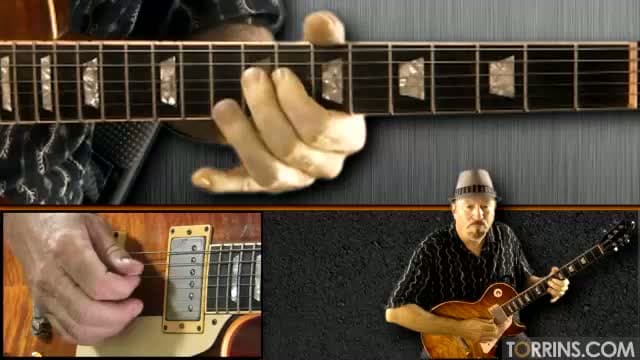
Introduction:
Torrins brings you an exciting lesson on The Thrill Is Gone, the legendary blues song made famous by B.B. King. Taught by Mike Dugan, this lesson is perfect for those looking to master both rhythm and lead guitar in a blues setting. You'll learn everything from chords and rhythm to soulful lead fills and solo techniques.
Fun Fact: While most people associate "The Thrill Is Gone" with B.B. King, the song was originally written and recorded by Roy Hawkins and Rick Darnell. However, B.B. King’s version became a massive hit, earning him a Grammy Award for Best Male R&B Vocal Performance in 1970 and a spot in the Grammy Hall of Fame in 1998.
Chords & Rhythm
This lesson starts by breaking down the essential chords used in the song. The song is in the key of B minor, incorporating barre chords like Em, F#7, and others in a 12-bar blues progression. Mike explains the finger placements for each chord, ensuring clarity for both beginners and advanced players.
The rhythm follows a straightforward 4-feel, meaning it doesn’t use shuffle or swing. Mike provides an easy method to simplify the rhythm, explaining the accents and muting techniques that bring the groove to life.
Sing and Play Technique
One of the key elements of this song is matching vocals with guitar playing. The song follows a typical blues structure where the first line is repeated, making it essential to synchronize your playing with the melody. Mike shares helpful tips on keeping time and smoothly integrating vocals with guitar.
Solo & Lead Fills
Next, we dive into the iconic solo heard in the introduction. The solo is based on the B minor pentatonic scale, and Mike walks through each lick, ensuring you understand the phrasing and feel that make B.B. King’s style so expressive.
Following the solo lesson, the instructor covers lead fills, which are played in between vocal phrases. He sticks to the B minor pentatonic scale, showing how to create emotional lead parts.
Song Demo & Final Arrangement
The lesson concludes with a full song demo, allowing you to hear all the elements come together. The final arrangement follows the classic 12-bar blues progression, with a structure of intro, two verses, solo, two verses, and outro. Mike plays along with the backing track, reinforcing everything covered in the lesson.
Why Learn "The Thrill Is Gone"?
- Great way to practice 12-bar blues progressions.
- Helps improve lead guitar phrasing and soloing.
- Perfect for learning how to sing and play simultaneously.
FAQs -The Thrill Is Gone Guitar Lesson
Q1. Is this song beginner-friendly?
Yes! While some barre chords are involved, Mike provides tips to make them easier.
Q2. Do I need a capo for this lesson?
No capo is required!
Q3. What’s the best way to practice lead fills?
Start slow and break the fills into smaller sections. Play along with the backing track to develop feel and timing.











Introduction:
Torrins brings you another legendary blues guitar lesson—Stormy Monday as played by The Allman Brothers Band, taught by Mike Dugan. This classic blues song is packed with soulful chords, smooth rhythm, and expressive lead playing, making it a must-learn for any blues guitarist.
Fun Fact: Originally written by T-Bone Walker, Stormy Monday inspired blues legends like B.B. King to pick up the electric guitar. Moreover, the Allman Brothers' 1971 version, with jazzy organ and extended solos, transformed it into an iconic 8-minute masterpiece.
Chords & Song Arrangement
- This song follows a 12-bar blues progression in the key of G, incorporating both open and barre chords:
- Chords Used – G#7, Am7, Bbm7, and more. Some chords are barre chords, but Mike provides easier alternatives for different playing levels.
- Since T-Bone was known for his 9th chords, Mike also teaches 9th chord variations to bring out that authentic blues feel.
- The song includes a subtle sharp climb, adding to the T-Bone Walker-style phrasing.
Rhythm & Strumming Pattern
- Time Signature: 4/4
- Main Rhythm: A slow blues groove with a simple strumming pattern at first.
- Alternative Rhythm: A 6-feel rhythm (double-time feel), adding an upbeat bluesy bounce.
Mike also demonstrates advanced rhythmic techniques, incorporating double stops, slides, and dynamic accents to enhance the song’s groove.
Intro Lick, Turnaround & Ending
- Intro Lick – A G9 chord-based intro, first broken down in a simplified version before introducing more advanced variations using sharp and augmented chords.
- Turnaround – Mike walks through classic turnaround chords, showing how they fit into the blues form.
- Ending – He teaches a common blues-style ending which is useful for countless other blues songs.
Sing & Play – Coordinating Vocals & Guitar
Want to sing while playing? Mike shares practical tips on how to sync your vocals with the guitar. He encourages adding your own feel to the song while staying true to its blues roots.
Lead Fills & Lead Playing
- Lead Fills: The lesson starts with small lead fills that complement the vocals.
- Key & Scales: He uses the G minor pentatonic blues scale and major blues in G for expressive phrasing.
- Playing Lead in Slow Blues: Mike demonstrates bends, sustains, and dynamics, making your solos sound rich and emotional.
Improvisation & Playing with a Backing Track
- Here Mike explains how to improvise and when to use the major vs. minor scale. He also demonstrates how to craft a melodic, bluesy solo.
- Follow his approach, and soon, you’ll be confidently improvising your own slow blues solos!
Final Playthrough with Backing Track
To wrap up the lesson, Mike plays the full song with a backing track, reinforcing all the techniques covered. Watch closely and play along to lock in the feel and phrasing of this blues classic.
Why Learn Stormy Monday?
- Classic blues structure – great for understanding blues chord progressions.
- Improves both rhythm & lead playing – covers everything from chords to expressive solos.
- Perfect for improvisation – teaches you how to craft slow blues solos with feel.
FAQs – Stormy Monday Guitar Lesson
Q1: Is this lesson beginner-friendly?
Yes! Mike provides simplified chord alternatives and breaks down the song step by step.
Q2: What’s the most challenging part?
The double-time solo can be tricky, but Mike teaches how to ease into it.
Q3: How do I make my solos sound bluesier?
Focus on bends, vibrato, and using both the major & minor blues scales—all of which Mike explains in detail!
Similar Pop Songs






Introduction
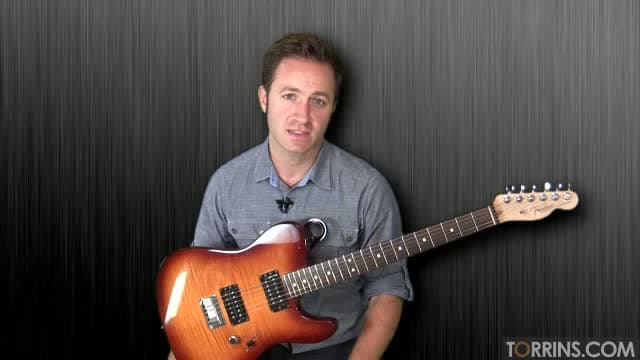
Get ready to master another hit song on Torrins—If It's Love by Train. This moderate-level lesson is taught by Steve Luciano, who breaks down the song into easy-to-follow sections. You'll learn about the chords, strumming patterns, and intricate techniques that make this song so engaging. Steve also shares detailed tips on finger placements and rhythm to help you recreate the authentic feel of the original track.
Fun Fact: If It's Love was written on the same day as Train's hit Hey, Soul Sister in New York City. Pat Monahan wrote it as a love song for the band's long-time fans, thanking them for their unwavering support over the years.
Chords Used in If It's Love
The song is tuned half a step down and features a mix of standard and suspended chords. Some of the key chords used include:
- G triad
- G chord
- Gsus4
- Csus4
- D4
- Dsus/F#
- G/B
Tune in to the lesson to learn the other chords that make up this song. Steve carefully explains the finger placements for these chords, especially complex chords like Dsus/F#, to ensure you get the right tone.
Strumming Pattern
The song starts with a drum section, and Steve demonstrates how to simulate that drum feel using strumming techniques.
- In the beginning, the rhythm follows a 16th note pattern: DUDUDUD
- As the song progresses, the pattern shifts to: DDUUUD
Steve emphasises the importance of keeping your right hand moving to maintain a consistent rhythm. He also explains how to incorporate sliding and arpeggios into your strumming to enhance the song's texture.
Song Structure
If It's Love follows a clear and structured format. Tune in to the lesson to understand the arrangement of the song.
In the beginning, Steve uses just 3–4 chords, making it approachable for most players.
As the song progresses, he introduces more complex chords like Dsus/F#, adding depth to the arrangement
Steve concludes the lesson by playing along with the song, demonstrating smooth transitions between sections.
Improvisation Techniques
For more advanced players, Steve teaches how to improvise over the progression using slides and arpeggios. He also explains how to replicate the original feel of the song by experimenting with the rhythm and strumming intensity.
Why Learn If It's Love?
This song is an excellent way to improve your chord transitions and rhythm skills. It also introduces suspended chords and alternate fingerings, helping you build greater versatility in your playing.
Tips to Control Strumming Intensity:
- Keep the beginning section light with gentle strumming.
- Add more intensity in the chorus by strumming harder and using accents.
- Maintain a steady rhythm throughout the song to keep the groove intact.
FAQs – If It's Love Guitar Lesson
Q1. How can I improve my rhythm and timing?
Practice with the backing track and focus on Steve’s tips for simulating the drum section with your strumming.
Q2. Do I need to tune down my guitar?
Yes, the song is tuned half a step down for an authentic sound.
Q3. How can I handle the suspended chords more smoothly?
Steve suggests specific finger placements and transitions to make switching between suspended chords easier.