Intro Arpeggios and Lead

Unforgiven left a mark in the history of the rock and metal genre. This song was released by Metallica in 1991, and it is part of their self-titled album; the other name of the album is Black Album. This particular track marks a significant moment in revolutionising the sound of the band, and apart from this, it also changed the entire landscape of metal music.
The reason Unforgiven became so iconic and one of the best songs ever written in the metal genre is that, with this song, Metallica showcased that they have moved from their thrash roots and are now moving towards creating more melodic and introspective style music while still maintaining their signature heavy sound.
Furthermore, the verse sections are built on haunting, clean guitar arpeggios, which are then layered with James Hetfield’s raw and reflective vocals. Kirk Hammett’s guitar solo present in this song deserves all the praise in the world; it's dripping with emotions and elevates the sombre tone of the song without derailing the intimacy.
Why Learn Unforgiven By Metallica Song On Guitar?
The haunting intro requires you to use clean, arpeggiated chords, which also helps you develop precision, timing and smooth chord transitions, which is something essential for both acoustic and electric guitar playing.
It’s a song that flips the classic metal structure; in the beginning, it is soft and melodic and then the chorus kick-in and the entire sound gets distorted and heavy. As you practice playing this song on guitar, you will understand how to transition from gentle playing to powerful riffing in no time, and that too with confidence.
The chorus introduces you to beginner-friendly power chords in addition to palm muting, which is considered to be the main building block for anyone who wishes to master rock and metal rhythm on their guitar.
In this guitar lesson, you are going to learn melodic solos and emotive phrasing; these two complex techniques make you move beyond mechanical playing. It helps you inject feelings and storytelling in your guitar solos, which is a mark of a mature guitarist.
FAQs-Unforgiven By Metallica Song Guitar Lesson
Q1. Which tuning should I be using for learning the song Unforgiven by Metallica on guitar?
Ans. You should practice playing Unforgiven by Metallica in standard tuning (E A D G B e); this will help you get clean, arpeggiated and even distorted parts perfectly.
Q2. What key is the song Unforgiven by Metallica present in?
Ans. You can practice this song in the key of A minor; this particular key choice will give the song its dark and brooding voice, which also compliments its introspective mood, making it a perfect song to exercise mastering dynamics and tone control.
Unforgiven left a mark in the history of the rock and metal genre. This song was released by Metallica in 1991, and it is part of their self-titled album; the other name of the album is Black Album. This particular track marks a significant moment in revolutionising the sound of the band, and apart from this, it also changed the entire landscape of metal music.
The reason Unforgiven became so iconic and one of the best songs ever written in the metal genre is that, with this song, Metallica showcased that they have moved from their thrash roots and are now moving towards creating more melodic and introspective style music while still maintaining their signature heavy sound.
Furthermore, the verse sections are built on haunting, clean guitar arpeggios, which are then layered with James Hetfield’s raw and reflective vocals. Kirk Hammett’s guitar solo present in this song deserves all the praise in the world; it's dripping with emotions and elevates the sombre tone of the song without derailing the intimacy.
Why Learn Unforgiven By Metallica Song On Guitar?
The haunting intro requires you to use clean, arpeggiated chords, which also helps you develop precision, timing and smooth chord transitions, which is something essential for both acoustic and electric guitar playing.
It’s a song that flips the classic metal structure; in the beginning, it is soft and melodic and then the chorus kick-in and the entire sound gets distorted and heavy. As you practice playing this song on guitar, you will understand how to transition from gentle playing to powerful riffing in no time, and that too with confidence.
The chorus introduces you to beginner-friendly power chords in addition to palm muting, which is considered to be the main building block for anyone who wishes to master rock and metal rhythm on their guitar.
In this guitar lesson, you are going to learn melodic solos and emotive phrasing; these two complex techniques make you move beyond mechanical playing. It helps you inject feelings and storytelling in your guitar solos, which is a mark of a mature guitarist.
FAQs-Unforgiven By Metallica Song Guitar Lesson
Q1. Which tuning should I be using for learning the song Unforgiven by Metallica on guitar?
Ans. You should practice playing Unforgiven by Metallica in standard tuning (E A D G B e); this will help you get clean, arpeggiated and even distorted parts perfectly.
Q2. What key is the song Unforgiven by Metallica present in?
Ans. You can practice this song in the key of A minor; this particular key choice will give the song its dark and brooding voice, which also compliments its introspective mood, making it a perfect song to exercise mastering dynamics and tone control.
Explore More in English Songs
Introduction
Torrins brings you an exciting guitar lesson on Insomnia by Rob Marcello, taught by the artist himself. This means you are learning the song's intricacies directly from the creator, giving you a unique insight into the techniques and creative choices behind this guitar masterpiece.
Fun Fact: Rob Marcello was quite young when he composed this song and admitted that he wasn’t fully familiar with advanced music theory at the time. While Insomnia may not have achieved mainstream chart success, it remains a respected piece within the guitar community.
Chords Used in Insomnia Guitar Lesson
- Intro: Intro is played in the key of G harmonic minor and uses a C minor arpeggio and triad. It also includes an F# chord along with other chords.
- Verse: Chords used: Gm, F/G. It’s a simple verse structure with basic licks. Practising this verse is a good exercise for picking accuracy.
- Chorus: In chorus, the key changes to C minor. This section involves arpeggios, sliding, and tapping
- Break Section: The key of G harmonic minor returns. It has a metal-style lick. One of the chords is a D chord.
- Classical Section: Has a key of G major. Ensure you have a clean note separation in this section. Tip: Lift each finger as you play.
- Pre-Solo Section: Some of the chords used are D major and E♭ major. This section involves sliding up the neck and is still in the key of G harmonic minor.
- First Solo: Base stays on G and includes F major arpeggio.
- Main Solo: It uses harmonic picking, a guitar technique where you pick a note while lightly touching the string to create a bright, bell-like overtone. The solo starts with blues licks played through a wah-wah pedal and follows a pentatonic blues box shape.
There are other segments in this song that cover Dominant 7 tapping lick, string skipping & pentatonic licks, and lastly, he ends the lesson by playing along with a backing track.
Why Learn Insomnia?
Insomnia is an excellent song for players looking to improve their left-hand legato, harmonic picking, and tapping techniques. It blends metal, blues, and classical influences, making it a well-rounded piece for guitarists aiming to develop technical precision and creative expression. It is better suited for advanced players.
Tips for Playing Insomnia:
- Pay attention to the rhythmic phrasing in the break section.
- Master the sliding and tapping techniques in the solos for a polished sound.
FAQs – Insomnia Guitar Lesson
Q1. Is this song beginner-friendly?
No, this lesson is suited for advanced players due to the complex techniques involved.
Q2. How can I master the classical section?
Ensure clean note separation by lifting each finger immediately after playing the note.





Introduction
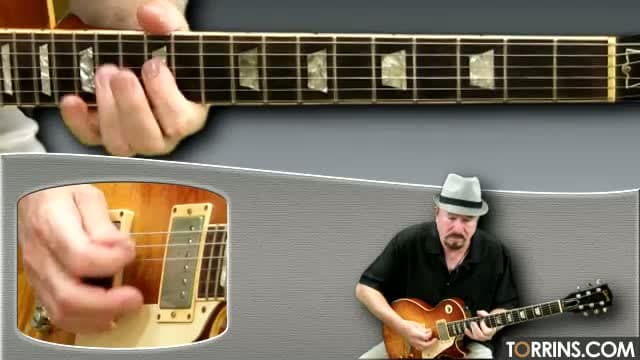
Torrins brings you another heartfelt country classic-Always on My Mind by Willie Nelson, taught by Mike Dugan. This in-depth lesson covers everything from basic chords to advanced rhythm techniques, making it accessible for both beginners and advanced players.
Fun Fact: Always on My Mind was the Billboard number one country album of the year in 1982. It remained on the Billboard Top Country Albums chart for an astonishing 253 weeks, holding the number one spot for 22 weeks. It even spent 99 weeks on the Billboard 200, peaking at number two for three weeks!
Chords Used in Always on My Mind
Beginner Chords:
- D, A, Bm, etc (alternative chords provided for those struggling with barre chords)
- Bm/G# and other slash chords (simplified option available)
- Basic downstrumming technique
Advanced Chords:
- Walk-down from Bm barre chord to G, creating a smooth transition
- Em, A, D, and motion chord movement from Em to F#, along with other chord voicings
- Includes A/C# to add depth to the song
Rhythm & Strumming Pattern
Beginner Rhythm:
- Simple downstrumming throughout the song for easy playability
Advanced Rhythm:
- More dynamic strumming pattern: DUDDUD with variations in the upstrokes
- Incorporates subdivisions and expressive chord transitions to match the song’s emotional tone
Song Structure
This song follows a classic country ballad structure:
- Intro
- Verse 1 & 2
- Bridge – Separate versions for beginners and advanced players
- Solo Verse – Melody-driven section
- Bridge Repeat
Solo Section
- Uses the D major scale for advanced players
- Simple yet effective solo incorporating D and Bm/A chords, to name a few
- Captures the melody of the song to create an emotional instrumental moment
Improvisation Techniques
For those wanting to add their own flavour, Mike shares techniques to elevate their playing:
- Walk-down motions to create smoother transitions
- Letting open strings ring for a fuller sound
- Subtle rhythmic variations to match Willie Nelson’s expressive phrasing
Why Learn Always on My Mind?
This lesson is a great way to enhance your expressiveness as a guitarist. Whether you’re learning the basic chords or mastering the advanced transitions, Mike ensures that every player walks away with valuable skills.
FAQs – Always on My Mind Guitar Lesson
Q1. Is this song beginner-friendly?
Ans: It’s better suited for intermediate and advanced players, but Mike breaks it down for beginners as well.
Q2. What if I struggle with barre chords?
Ans: Alternative chord shapes are provided for Bm and Bm/G# to make it easier.
Q3. How can I improve my strumming on this song?
Ans: Beginners should start with downstrumming, while advanced players can incorporate upstroke variations and subdivisions for a more dynamic feel.
Q4. Does this lesson include a solo?
Ans: Yes! The solo is based on the D major scale and includes a simple yet effective melody.


Similar Metal Songs
Introduction:
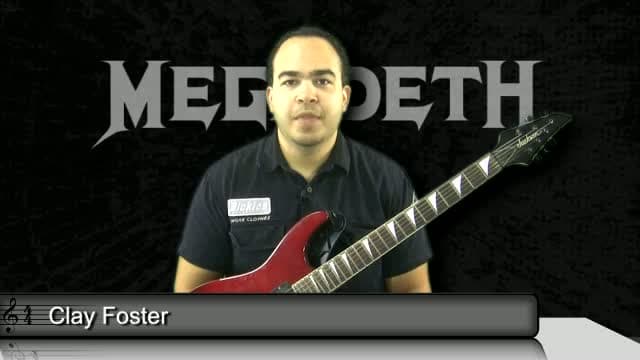
Torrins brings you an electrifying guitar lesson—Symphony of Destruction by Megadeth, taught by Clay Foster. This heavy-hitting metal track is part of our guitar song lesson series and is broken down into easy-to-follow sections.
Fun Fact: In an interview, vocalist Dave Mustaine shared that the lyrics for Symphony of Destruction were sparked by a headache he got while driving home. He scribbled the first lines on the back of a sushi receipt—“My metal brain’s corroding, my head is going to explode.” That spontaneous moment led to one of Megadeth’s most iconic songs, recorded on their fifth studio album Countdown to Extinction in 1992.
Song Arrangement
The song is taught in separate segments so you can master each part before moving to the next.
The song is in the key of E.
Verse
Verse is built around the F power chord and an open E power chord, along with other chords.
Downstrokes and palm muting are used in the verse—make sure to mute the strings to avoid letting notes ring out too long. Clay shares techniques like using your thumb or extra fingers to stop the sound cleanly.
Pre-Chorus
Features open palm muting and chromatic downs, creating that tight, chugging rhythm. Our lessons have a 3-angle video setup so you can clearly see hand positions and copy along easily.
Chorus
This section opens up with ringing E chords and a chromatic descending run. Chords like Bb, G#, and the D power chord makes the chorus sound more intense. Though it’s slightly more complex than the verse, Clay carefully breaks down the finger positioning and covers some fingerpicking techniques to help you through it.
After the first chorus, the main riff returns and leads into the second verse and pre-chorus, just like earlier.
The second chorus is a bit longer. The first half mirrors the first chorus, while the second half introduces new elements. Clay walks you through the difference so you can follow along confidently.
Solo Lesson
Clay breaks down the guitar solo into manageable sections.
- The first part has a bluesy riff with vibrato, bending, and palm muting.
- The second part is a 16-note rhythmic figure built around the Am6 chord, featuring some sliding techniques.
- Tune into the lesson to learn each section in detail and pick up essential phrasing skills along the way.
Sound and Tone
To capture the song’s feel, Clay dives into the tone settings. The tone is mid-rangy, which is a signature sound of Marty Friedman. Clay recommends listening to some of Friedman’s work to understand the sweet, expressive tone he’s known for.
For gear settings, Clay suggests using the middle pickup to replicate that tone more accurately.
Song Demo
The lesson wraps up with a full song demo, where Clay ties everything together. You can play along with him to practice transitions, polish your technique, and check your accuracy in real time.
FAQs – Symphony of Destruction Guitar Lesson
Q1: Is this song beginner-friendly?
Yes. While it has a few technical sections, the lesson breaks everything down clearly and provides enough guidance for newer players.
Q2: Do I need specific gear for the tone?
Clay suggests using a mid-range-focused setting with the middle pickup to get closer to Marty Friedman's tone. However, you can start with what you have and tweak as needed.
Q3: Is the solo hard to learn?
It’s approachable when broken into parts. Clay walks you through each phrase, so with some practice, you’ll be able to nail it.