Introduction:
Torrins brings you a classic country guitar lesson—Your Cheatin’ Heart, written and recorded by Hank Williams in 1952. Taught by Mike Dugan, this sing and play lesson breaks down the song into easy-to-follow sections, making it perfect for beginners and experienced players alike. He breaks down the chords, rhythm, and song arrangement of the song.
Fun Fact: Did you know Williams wrote this song while driving from Nashville to Shreveport with his fiancée? After calling his first wife a "cheatin’ heart," the lyrics poured and the entire song was ready within minutes.
Chords & Song Structure
This song follows a standard verse-chorus structure with a bridge in between.
- Key: The song is in the key of C major
- Verse Chords: The verse has three basic open chords. Tune into the lesson to learn them.
- Bridge Chords: Bridge includes chords like F, D7, and others.
Mike carefully breaks down finger positioning, chord transitions, and how the chords are divided across measures. He also provides alternative fingerings to make it easier for beginners.
Do you wish to learn the intricacies of Country Guitar Playing? Check out our detailed lessons to master this style!
Strumming Patterns
This song has a simple and steady strumming style, ideal for both beginners and advanced players.
- Beginner-Friendly Strumming:
- A basic downstrum-only pattern in straight 4s to help new players get comfortable.
- Advanced Strumming Pattern:
- A more dynamic down-up pattern (DDUDDDDUDD) that adds depth and groove. Mike explains the transitions and accents in detail to help you get the authentic country feel.
Sing & Play
If you want to sing while playing, Mike provides a step-by-step breakdown of how the vocals align with the chord changes. He explains:
- How to keep your strumming steady while singing
- Where to place emphasis in both lyrics and chords
- How to build confidence in singing and playing simultaneously
He suggests beginners to start with the basic strumming pattern, and once comfortable, then they can switch to the more advanced rhythm for a fuller sound.
Moreover, you can take advantage of the accompanied lyrics in the song lesson for a comprehensive learning experience.
Why Learn Your Cheatin’ Heart?
- Classic country song that strengthens rhythm guitar skills
- Great for beginners, thanks to simple chords and a steady beat
- Teaches strumming variations, helping you develop better control
- Perfect for sing-alongs, making it a fun addition to your repertoire
FAQs Your Cheatin’ Heart Guitar Lesson
Q1: Is this song beginner-friendly?
Yes! The song uses simple open chords and a steady strumming pattern, making it perfect for beginners.
Q2: What if I struggle with singing and playing at the same time?
Start with basic downstrums to get comfortable. Once you have the rhythm down, gradually add vocals.
Q3: Do I need a capo for this song?
No capo is needed. The song is played in the key of C with open chords.
Unlock Full Access to Lyrics & Chords with Torrins Membership
Unlock with premiumIntroduction:
Torrins brings you a classic country guitar lesson—Your Cheatin’ Heart, written and recorded by Hank Williams in 1952. Taught by Mike Dugan, this sing and play lesson breaks down the song into easy-to-follow sections, making it perfect for beginners and experienced players alike. He breaks down the chords, rhythm, and song arrangement of the song.
Fun Fact: Did you know Williams wrote this song while driving from Nashville to Shreveport with his fiancée? After calling his first wife a "cheatin’ heart," the lyrics poured and the entire song was ready within minutes.
Chords & Song Structure
This song follows a standard verse-chorus structure with a bridge in between.
- Key: The song is in the key of C major
- Verse Chords: The verse has three basic open chords. Tune into the lesson to learn them.
- Bridge Chords: Bridge includes chords like F, D7, and others.
Mike carefully breaks down finger positioning, chord transitions, and how the chords are divided across measures. He also provides alternative fingerings to make it easier for beginners.
Do you wish to learn the intricacies of Country Guitar Playing? Check out our detailed lessons to master this style!
Strumming Patterns
This song has a simple and steady strumming style, ideal for both beginners and advanced players.
- Beginner-Friendly Strumming:
- A basic downstrum-only pattern in straight 4s to help new players get comfortable.
- Advanced Strumming Pattern:
- A more dynamic down-up pattern (DDUDDDDUDD) that adds depth and groove. Mike explains the transitions and accents in detail to help you get the authentic country feel.
Sing & Play
If you want to sing while playing, Mike provides a step-by-step breakdown of how the vocals align with the chord changes. He explains:
- How to keep your strumming steady while singing
- Where to place emphasis in both lyrics and chords
- How to build confidence in singing and playing simultaneously
He suggests beginners to start with the basic strumming pattern, and once comfortable, then they can switch to the more advanced rhythm for a fuller sound.
Moreover, you can take advantage of the accompanied lyrics in the song lesson for a comprehensive learning experience.
Why Learn Your Cheatin’ Heart?
- Classic country song that strengthens rhythm guitar skills
- Great for beginners, thanks to simple chords and a steady beat
- Teaches strumming variations, helping you develop better control
- Perfect for sing-alongs, making it a fun addition to your repertoire
FAQs Your Cheatin’ Heart Guitar Lesson
Q1: Is this song beginner-friendly?
Yes! The song uses simple open chords and a steady strumming pattern, making it perfect for beginners.
Q2: What if I struggle with singing and playing at the same time?
Start with basic downstrums to get comfortable. Once you have the rhythm down, gradually add vocals.
Q3: Do I need a capo for this song?
No capo is needed. The song is played in the key of C with open chords.
Unlock Full Access to Lyrics & Chords with Torrins Membership
Unlock with premiumExplore More in English Songs



Introduction
Welcome to the bass lesson for Have You Ever Seen the Rain (Smokie version). Originally written by John Fogerty and released by Creedence Clearwater Revival in 1971, this timeless classic has been covered by many artists, including Smokie on their 1995 album The World and Elsewhere.
This lesson is taught by Mike Walker and is set in the key of C with standard tuning. It’s a straightforward yet expressive song, making it perfect for both beginners looking to sharpen their technique and intermediate players who want to refine their timing and feel.
Lesson Breakdown
Mike takes a step-by-step approach to make learning smooth and approachable.
- Intro: The intro starts with a short, tasteful lick that begins on the G string before moving to the low E. Mike also demonstrates a subtle twist here: taking the 5th of the note lower instead of the usual higher, which adds a unique flavor to the line. This is followed by another short lick, carefully broken down so you can catch every nuance.
- Verse: The verse introduces a light hammer-on lick and moves back and forth between the G and C strings. It also includes a simple but effective walking bass line. Mike explains each step slowly, highlighting when to use chromatic movements and when to hold back, making it very beginner-friendly.
- Chorus: In the chorus, Mike divides the section into smaller movements for easier learning. He also explains how to lock in your groove with the guitar and drums to create a tight rhythm section feel.
- Underneath the Guitar Solos: You’ll also learn what’s happening in the bass line beneath the guitar solos. This part involves a subtle kick-drum-inspired rhythm, moving across the frets using four key chords to keep the groove steady.
Once all the sections are covered, Mike ties it all together by playing the full arrangement along with a backing track. This demo helps reinforce everything you’ve learned and is perfect for practising your transitions smoothly.







Introduction:
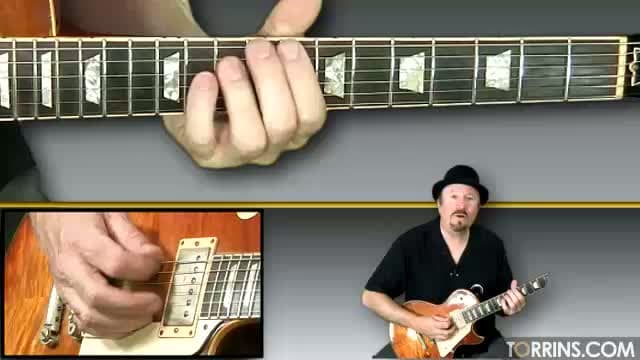
Looking to learn one of the most heartfelt love ballads ever written? Then this song tutorial of Eric Clapton’s hit song is a must-watch for you. This "Wonderful Tonight" guitar lesson, taught by Mike Dugan, breaks down the song into an easy-to-follow tutorial that’s perfect for both beginners and advanced players. Mike teaches you how to sing as well as play the song.
Fun Fact: Eric Clapton wrote "Wonderful Tonight" while waiting for his then-girlfriend, Pattie Boyd, to get ready for an event. Despite its simplicity, the song became his most downloaded track on Spotify, with over 480 million streams!
Chords Used in "Wonderful Tonight"
This lesson is taught in the key of G major, and it primarily uses open chords, making it accessible to beginners. Some of the main chords include:
- G
- Em
- D/F#
The lesson also covers additional chords and variations—tune in to discover them all!
Strumming Pattern & Rhythm Techniques
- Beginner-Friendly Strumming: Basic downstrums to ensure smooth transitions between chords.
- Advanced Strumming: The tutorial also covers a more complex strumming pattern used in the original recording. This involves subdivisions, where each beat is split into four 16th notes, creating a rhythmic groove with an alternate strumming pattern (DUDUDU) with accents.
- Special Techniques: The instructor introduces a unique method for adding accents, perfect for players looking to elevate their rhythm skills. Tune in to the lesson to learn how to do it.
Song Structure Breakdown
This tutorial follows the song’s original structure, making it easier to follow:
- Intro (played twice)
- Verse 1
- Intro section again
- Verse 2
- Bridge
- Intro played twice
- Verse 3 with a tag ending
- Intro played twice to fade out
Tip: The intro shares a similar progression to the first part of the verse, making it easier to grasp.
Walk-Down Technique & Chord Transitions
One of the standout features of this lesson is the walk-down technique, where the bass notes descend smoothly between chords. Mike provides a step-by-step breakdown of positioning complex chord shapes and making smooth transitions.
Sing & Play Lesson
Want to sing while playing? This lesson dedicates a section to teaching how to play and sing simultaneously, helping learners match their strumming with the song’s vocal phrasing.
Final Play-Along & Bonus Lesson
- The lesson ends with a play-along section featuring a backing track, allowing learners to practice the entire song with professional accompaniment.
- For a more in-depth approach to playing "Wonderful Tonight" in an authentic style, check out Steve Luciano’s version, which focuses on the intricacies of the guitar work of the song.
FAQs – "Wonderful Tonight" Guitar Lesson
Q1. Is this song beginner-friendly?
Yes! With just a few open chords and a straightforward rhythm, it’s perfect for beginners.
Q2. How can I improve my strumming for this song?
Start with basic downstrums, then work on the subdivided 16th-note pattern with accents for a more authentic feel.
Similar Country Songs


Introduction
Torrins brings you another heartfelt country classic-Always on My Mind by Willie Nelson, taught by Mike Dugan. This in-depth lesson covers everything from basic chords to advanced rhythm techniques, making it accessible for both beginners and advanced players.
Fun Fact: Always on My Mind was the Billboard number one country album of the year in 1982. It remained on the Billboard Top Country Albums chart for an astonishing 253 weeks, holding the number one spot for 22 weeks. It even spent 99 weeks on the Billboard 200, peaking at number two for three weeks!
Chords Used in Always on My Mind
Beginner Chords:
- D, A, Bm, etc (alternative chords provided for those struggling with barre chords)
- Bm/G# and other slash chords (simplified option available)
- Basic downstrumming technique
Advanced Chords:
- Walk-down from Bm barre chord to G, creating a smooth transition
- Em, A, D, and motion chord movement from Em to F#, along with other chord voicings
- Includes A/C# to add depth to the song
Rhythm & Strumming Pattern
Beginner Rhythm:
- Simple downstrumming throughout the song for easy playability
Advanced Rhythm:
- More dynamic strumming pattern: DUDDUD with variations in the upstrokes
- Incorporates subdivisions and expressive chord transitions to match the song’s emotional tone
Song Structure
This song follows a classic country ballad structure:
- Intro
- Verse 1 & 2
- Bridge – Separate versions for beginners and advanced players
- Solo Verse – Melody-driven section
- Bridge Repeat
Solo Section
- Uses the D major scale for advanced players
- Simple yet effective solo incorporating D and Bm/A chords, to name a few
- Captures the melody of the song to create an emotional instrumental moment
Improvisation Techniques
For those wanting to add their own flavour, Mike shares techniques to elevate their playing:
- Walk-down motions to create smoother transitions
- Letting open strings ring for a fuller sound
- Subtle rhythmic variations to match Willie Nelson’s expressive phrasing
Why Learn Always on My Mind?
This lesson is a great way to enhance your expressiveness as a guitarist. Whether you’re learning the basic chords or mastering the advanced transitions, Mike ensures that every player walks away with valuable skills.
FAQs – Always on My Mind Guitar Lesson
Q1. Is this song beginner-friendly?
Ans: It’s better suited for intermediate and advanced players, but Mike breaks it down for beginners as well.
Q2. What if I struggle with barre chords?
Ans: Alternative chord shapes are provided for Bm and Bm/G# to make it easier.
Q3. How can I improve my strumming on this song?
Ans: Beginners should start with downstrumming, while advanced players can incorporate upstroke variations and subdivisions for a more dynamic feel.
Q4. Does this lesson include a solo?
Ans: Yes! The solo is based on the D major scale and includes a simple yet effective melody.


Introduction:
Torrins brings you another heartfelt guitar song lesson I Will Be Here by Steven Curtis Chapman, taught by J.J. Pattishall. This lesson focuses on fingerpicking, chord transitions, and rhythm techniques, making it a great song to develop both your picking accuracy and emotional expression.
Interesting Fact: This song carries deep personal meaning. Chapman wrote it as a promise to his wife during a difficult time when his parents were going through a divorce. It became one of his most beloved songs, offering reassurance and commitment through its lyrics and melody.
Chords & Song Structure
This lesson breaks the song into easy-to-follow sections: Intro & Verse, Chorus, Bridge, Song Demo, Rhythm, and Sing & Play.
Capo is on the 1st fret
Key used is D (relative to capo), actual tuning is Eb
Chords Used:
- Intro & Verse: Dsus2, A7sus4, Bm (a barre chord), Em7, and others
- Chorus: Bm/A, A/G, D/F#, and more
- Bridge: Includes a diminished chord and a piano/instrumental section
J.J. shares some alternatives for the difficult chords such as barre chords.
The chords are arpeggiated, giving the song its signature flow. J.J. carefully explains finger placement and picking techniques to help you achieve the song’s delicate feel.
Fingerpicking & Rhythm Patterns
This song features a beautiful fingerpicking pattern. J.J. breaks it down in detail, ensuring that even beginners can grasp the technique.
For those who find fingerpicking challenging, he also introduces two basic rhythm patterns as an alternative:
- DDUDDUDDUD – A straightforward strumming pattern
- DDUUDDDUUD – Adds syncopation for a more dynamic feel
Verse, Chorus & Bridge Breakdown
- Intro & Verse: J.J. carefully walks through the arpeggiated chords and explains how to maintain a steady rhythm. He also shares a technique to create a flowing fingerpicking style.
- Chorus: The transitions between chords like Bm/A, F#, A/G, and D/F# are broken down step by step. He highlights turnarounds, ensuring smooth movement between sections.
- Bridge: Features a diminished chord, adding tension and resolution to the song. J.J. also explains the piano and instrumental section.
Sing & Play – Coordinating Vocals & Guitar
This lesson doesn’t just teach you how to play the guitar part—it also helps you combine playing with singing. J.J. explains:
- How to sync your strumming or fingerpicking with the lyrics
- Phrasing techniques to match the melody with chord changes
- How to make the song your own while staying true to its essence
Final Song Demo & Play-Along
To bring everything together, J.J. performs the song with a backing track, reinforcing all the techniques covered in the lesson. This play-along section lets you practice along and refine your timing and transitions.
Why Learn I Will Be Here?
- Develops fingerpicking skills – great for improving coordination and technique
- Enhances chord transitions – teaches smooth movement between complex shapes
FAQs – I Will Be Here Guitar Lesson
Q1: Is this lesson beginner-friendly?
Yes! While the fingerpicking and chord shapes may seem tricky at first, J.J. provides simplified alternatives and a step-by-step breakdown.
Q2: Can I strum instead of fingerpick?
Absolutely. J.J. introduces two strumming patterns for those who prefer a rhythmic approach.
Q3: Do I need a capo?
Yes, place the capo on the 1st fret to match the song’s key.
Songs with Similar Difficulty



Introduction
Tune in to another detailed guitar lesson on the Torrins platform! The I Should Have Known Better guitar lesson is taught by our expert instructor Steve Luciano. He makes learning this popular Beatles song both fun and rewarding.
I Should Have Known Better, by The Beatles, was originally released on the soundtrack of A Hard Day's Night—the film of the same name.
This guitar tutorial covers chord progressions and rhythm in detail. Steve also breaks down the advanced rhythm of this song for those who wish to level up their guitar playing.
Fun Fact:
In A Hard Day’s Night, "I Should Have Known Better" is performed in a train’s brake coach—but the scene was actually filmed inside a stationary van, with crew members rocking it to simulate motion!
Chords & Key
Steve Luciano demonstrates how to play this song in the key of G major, using only seven chords. Some of the key chords in this song are G, C, Em, and D7. Tune in to the full guitar tutorial to learn the remaining chords and master the song with us.
Chords Used in I Should Have Known Better Guitar Lesson
Verse & Chorus Chords: This song primarily includes open chords.
Strumming & Rhythm
Basic Rhythm Pattern: DDDUD (4 beats)
- The strumming pattern follows a 4-beat rhythm, making it beginner-friendly
- Steve Luciano demonstrates how to navigate chord transitions, including the shift from two chords per measure in the intro and beginning of the verse to one chord per measure throughout the rest of the song.
Right-Hand & Left-Hand Technique
- Since the rhythm remains consistent throughout, the right hand moves constantly, focusing on steady strumming.
- The left-hand placement changes, and Luciano shares great tips on finger positioning and switching, ensuring smooth playing.
Song Structure
This song follows the usual verse-chorus format.
Use the provided tabs to follow the chord progressions as Luciano guides you through the song structure.
Advanced Rhythm Techniques
Once you've learned the basic chords and developed good control over your left hand, you can move on to a more complex rhythm pattern.
Anticipated Rhythm:
- Luciano introduces a technique where chords or notes are played slightly before the expected beat to create a sense of forward motion and groove.
- This anticipation technique adds energy, syncopation, and a more natural feel to the rhythm, making your playing sound more dynamic.
Why Learn I Should Have Known Better Song?
Learning this Beatles classic will help you build core guitar skills in a fun and engaging way.
Whether you're a beginner or looking to brush up on technique, this track offers plenty of learning opportunities.
This guitar lesson focuses on:
- Learning various chords
- Understanding rhythm variations & dynamics
- Improving strumming and finger placement
FAQs – I Should Have Known Better Guitar Lesson
Q1: Do I need a capo?
No, a capo is not required. However, you can try experimenting with different voicings to see what matches your vocal range.
Q2: Are there any barre chords in this song?
No, Steve Luciano teaches this song using open chords only.
Q3: How can I make the rhythm more dynamic?
Playing chords slightly ahead of the beat creates a more dynamic feel. This anticipation technique is covered in detail in the guitar lesson.


Introduction
Tune into another guitar lesson on a popular Beatles song on Torrins.com, While My Guitar Gently Weeps written by George Harrison, taught by Mike Dugan. He makes learning this song fun, easy, and rewarding! He breaks this guitar song lesson into various sections like Introduction, Chords & Rhythm, Verse & Chorus (singing), Advanced Rhythm, and Solo Improvisation.
Fun Fact: George Harrison wrote While My Guitar Gently Weeps as an exercise in randomness after his return from India, where the Beatles studied Transcendental Meditation. Inspired by the idea that nothing is coincidental, he opened a book at random, saw the words "gently weeps," and turned them into one of his most iconic songs.
Chords Used in While My Guitar Gently Weeps Guitar Lesson
The guitar lesson on While My Guitar Gently Weeps is taught using chords like Am, Am/G, D7/F#, to name a few. It also involves some barre chords. Tune in to the complete guitar song lesson to know the rest of the chords that make up this song.
This version of While My Guitar Gently Weeps is played in the key of A minor. The song includes a mix of open and barre chords, adding depth and complexity to the arrangement.
The bridge introduces barre chords like C#m and F#m. Mike shares some great tips on transitioning between these barre chords smoothly, essential for mastering the flow of the song.
Strumming Pattern
For beginners, Mike keeps it simple with an easy 4-down-strum pattern that’s great for building confidence.
For intermediate and advanced players, he introduces a more intricate alternating rhythm:
DUDUDU – accenting beats two and four (like most rock songs) for a more dynamic feel.
Song Structure
The song follows a clear and repeatable structure that gives it a steady flow and allows for expressive variation. It begins with an intro, setting the tone before moving into Verse 1 and Verse 2, which establish the core melody and lyrical theme. The bridge introduces a vocal shift, featuring a touch of falsetto to accommodate the slightly higher notes, adding emotional lift and dynamic contrast. Following this, the guitar solo steps in, showcasing expressive phrasing built on the A minor pentatonic scale. The playing style, marked by smooth vibrato and a warm overdrive tone, is clearly inspired by Eric Clapton’s bluesy sensibilities. The structure then returns to the bridge and another verse, before easing into a jam section. This relaxed closing passage offers space for personal interpretation and creative improvisation, making it a satisfying conclusion to the track..
Mike teaches how to sync your singing with chord changes by accenting the words that align with the next chord. This makes it easier to play and sing simultaneously.
Improvisation Techniques
In the solo section, Mike offers a detailed breakdown of how to use the A minor pentatonic scale to craft expressive, personality-filled solos in the style of Eric Clapton.
He walks you through essential techniques like achieving smooth vibrato, bending notes accurately to stay in pitch, and adjusting your speed and tone to create a polished, professional sound. If vibrato has been a sticking point for you, Mike dedicates extra time to break down the technique in a way that's easy to grasp. And if you’re looking for more practice, our dedicated vibrato lessons are just a click away.
Why Learn While My Guitar Gently Weeps?
- Great choice of song for working on barre chord transitions.
- The solo section introduces you to classic rock licks, helping you develop a more expressive playing style.
Tips for Better Playing
- Keep your strumming hand moving consistently to maintain rhythm.
- Focus on clean chord transitions, especially in the bridge.
- Practice the solo slowly first, then build up speed gradually.
FAQs – While My Guitar Gently Weeps Guitar Lesson
Q1. Is this song beginner-friendly?
There is a beginner version of this song which focuses on a simple strumming pattern.
Q2. Do I need to use falsetto when singing the bridge?
It’s optional—but using falsetto adds a smoother tone. Mike shows how to adjust based on your vocal range.