Overdubs
Introduction
Absinthe Party is the most well-known song from Minus the Bear. It involves intricate guitar play along with unique rhythm and tapping techniques. Minus the Bear is an Indie rock band from America; in their entire run, the band released a total of 6 studio albums.
Chords Used in Song Guitar Lesson
Arpeggios Verse & Chorus Chords: Instead of the traditional way, Minus the Bear uses the tapping technique to create arpeggios for this song, here’s an example of how you can also play arpeggios for this track:
e|------7h10p7-----7h10p7------|
B|-----------------------------|
G|----7---------7-------------|
D|--9---------9---------------|
A|-----------------------------|
E|-----------------------------|
Strumming Pattern
This song requires you to learn finger tapping, syncopated rhythms, along with layered guitar parts. The band was less resilient to the traditional strumming pattern; still if you are looking for a rhythm guitar approach you can follow this pattern: D D U U D U.
- D = Down strum
- U = Up strum
Song Structure
Introduction: The introduction of this guitar lesson starts with prepping your guitar with the necessary tuning.
Tapping Section: In this section, you will be learning about how to play the first part of the song using the two-handed tapping technique.
Distortion Section: For this section you have to turn on the distortion on your amplifier, you will be playing a repetitive riff which will be replayed 4 times in the song.
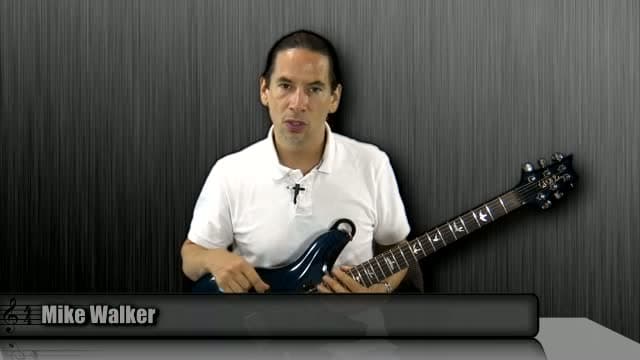
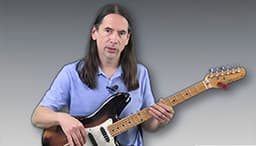
Song Demo: Here your music instructor Mike Walker is going to show you how to play the entire song with the backing track.
Overdubs: There are two overdub sections in this song and in this part of the guitar lesson Mike is going to teach you both of them.
Why Learn Absinthe Party By Minus The Bear?
For this song, you have to learn an intricate technique of two-hand tapping, which makes it both fun and challenging even for an expert guitarist. As you learn this song, you will be able to work on your dexterity, coordination and fluid playing.
FAQs – This Song Guitar Lesson
Q1. Did Minus the Bear stop performing?
Ans. In 2018, Minus the Bear came out with sad news of their retirement. They accompanied their retirement with a farewell tour as well. In 2025, the band reunited once again and announced an anniversary tour to commemorate their 20th anniversary of Menos el Oso.
Q2. Who is the lead singer of the Absinthe Party by Minus the Bear?
Ans. Jake Snider is the lead singer of the band, and he was the main vocalist of the song Absinthe Party.
Q3. What Type of music does Minus The Bear produce?
Ans. All the songs from Minus the Bear can be categorised as experimental rock, there had been a number of twists and turns in their music throughout their 17 year long run. The band was able to build a strong fan base after they were formed in 2001.
Fun Fact: A friend of the band went on a date and when Jake Snider who was singer and guitarist for the band asked him how his date was he said You know that TV show from the '70s, B. J. and the Bear? It was like that ... minus the Bear.' And from there all the members agreed on naming that reference as their official band name.
Introduction
Absinthe Party is the most well-known song from Minus the Bear. It involves intricate guitar play along with unique rhythm and tapping techniques. Minus the Bear is an Indie rock band from America; in their entire run, the band released a total of 6 studio albums.
Chords Used in Song Guitar Lesson
Arpeggios Verse & Chorus Chords: Instead of the traditional way, Minus the Bear uses the tapping technique to create arpeggios for this song, here’s an example of how you can also play arpeggios for this track:
e|------7h10p7-----7h10p7------|
B|-----------------------------|
G|----7---------7-------------|
D|--9---------9---------------|
A|-----------------------------|
E|-----------------------------|
Strumming Pattern
This song requires you to learn finger tapping, syncopated rhythms, along with layered guitar parts. The band was less resilient to the traditional strumming pattern; still if you are looking for a rhythm guitar approach you can follow this pattern: D D U U D U.
- D = Down strum
- U = Up strum
Song Structure
Introduction: The introduction of this guitar lesson starts with prepping your guitar with the necessary tuning.
Tapping Section: In this section, you will be learning about how to play the first part of the song using the two-handed tapping technique.
Distortion Section: For this section you have to turn on the distortion on your amplifier, you will be playing a repetitive riff which will be replayed 4 times in the song.
Song Demo: Here your music instructor Mike Walker is going to show you how to play the entire song with the backing track.
Overdubs: There are two overdub sections in this song and in this part of the guitar lesson Mike is going to teach you both of them.
Why Learn Absinthe Party By Minus The Bear?
For this song, you have to learn an intricate technique of two-hand tapping, which makes it both fun and challenging even for an expert guitarist. As you learn this song, you will be able to work on your dexterity, coordination and fluid playing.
FAQs – This Song Guitar Lesson
Q1. Did Minus the Bear stop performing?
Ans. In 2018, Minus the Bear came out with sad news of their retirement. They accompanied their retirement with a farewell tour as well. In 2025, the band reunited once again and announced an anniversary tour to commemorate their 20th anniversary of Menos el Oso.
Q2. Who is the lead singer of the Absinthe Party by Minus the Bear?
Ans. Jake Snider is the lead singer of the band, and he was the main vocalist of the song Absinthe Party.
Q3. What Type of music does Minus The Bear produce?
Ans. All the songs from Minus the Bear can be categorised as experimental rock, there had been a number of twists and turns in their music throughout their 17 year long run. The band was able to build a strong fan base after they were formed in 2001.
Fun Fact: A friend of the band went on a date and when Jake Snider who was singer and guitarist for the band asked him how his date was he said You know that TV show from the '70s, B. J. and the Bear? It was like that ... minus the Bear.' And from there all the members agreed on naming that reference as their official band name.
Explore More in English Songs
Introduction
Torrins brings you an exciting guitar lesson on Insomnia by Rob Marcello, taught by the artist himself. This means you are learning the song's intricacies directly from the creator, giving you a unique insight into the techniques and creative choices behind this guitar masterpiece.
Fun Fact: Rob Marcello was quite young when he composed this song and admitted that he wasn’t fully familiar with advanced music theory at the time. While Insomnia may not have achieved mainstream chart success, it remains a respected piece within the guitar community.
Chords Used in Insomnia Guitar Lesson
- Intro: Intro is played in the key of G harmonic minor and uses a C minor arpeggio and triad. It also includes an F# chord along with other chords.
- Verse: Chords used: Gm, F/G. It’s a simple verse structure with basic licks. Practising this verse is a good exercise for picking accuracy.
- Chorus: In chorus, the key changes to C minor. This section involves arpeggios, sliding, and tapping
- Break Section: The key of G harmonic minor returns. It has a metal-style lick. One of the chords is a D chord.
- Classical Section: Has a key of G major. Ensure you have a clean note separation in this section. Tip: Lift each finger as you play.
- Pre-Solo Section: Some of the chords used are D major and E♭ major. This section involves sliding up the neck and is still in the key of G harmonic minor.
- First Solo: Base stays on G and includes F major arpeggio.
- Main Solo: It uses harmonic picking, a guitar technique where you pick a note while lightly touching the string to create a bright, bell-like overtone. The solo starts with blues licks played through a wah-wah pedal and follows a pentatonic blues box shape.
There are other segments in this song that cover Dominant 7 tapping lick, string skipping & pentatonic licks, and lastly, he ends the lesson by playing along with a backing track.
Why Learn Insomnia?
Insomnia is an excellent song for players looking to improve their left-hand legato, harmonic picking, and tapping techniques. It blends metal, blues, and classical influences, making it a well-rounded piece for guitarists aiming to develop technical precision and creative expression. It is better suited for advanced players.
Tips for Playing Insomnia:
- Pay attention to the rhythmic phrasing in the break section.
- Master the sliding and tapping techniques in the solos for a polished sound.
FAQs – Insomnia Guitar Lesson
Q1. Is this song beginner-friendly?
No, this lesson is suited for advanced players due to the complex techniques involved.
Q2. How can I master the classical section?
Ensure clean note separation by lifting each finger immediately after playing the note.
Introduction
Torrins brings you a detailed guitar lesson on another late-1990s rock hit, Jumper, by the American rock band Third Eye Blind. In this tutorial, our expert instructor, Steve Luciano, breaks down this acoustic power pop song, sharing valuable insights to help you master it on guitar.
This guitar song tutorial covers Intro, Chords, Rhythm, and comes with Tabs and Lyrics for an all-rounded playing and learning experience.
Chords Used in Jumper Guitar Lesson
This song features a mix of open and extended chords, creating a rich and dynamic sound.
The song is originally written in the key of C major and has a time signature of common time and a tempo of 88 beats per minute.
Steve Luciano teaches this song using 5 chords two of which are Fmaj7/C and D4add9. Check out the complete lesson to know the rest.
Chords used: Fmaj7/C and D4 add 9
Steve shares a simple hack to play D4add9, making it easier to transition smoothly between chords. He also covers detailed finger positioning to ensure clarity in each chord change.
Strumming Pattern
Pattern: DDDUDUUD
The song follows a 4/4 time signature, but what makes it unique is the 16th note rhythm in the intro. Your right hand moves four times as fast, but you don’t have to hit the strings every time—just keeping your hand moving at that pace gives the desired groove. Steve breaks down this technique in the lesson to help you nail the feel of the song.
Song Structure
This song follows a verse-chorus format, with rhythmic variations adding energy to different sections.
- Verse: The first measure contains two chords, while the next measure is a full measure of one chord.
- Chorus: Features a groovier and faster rhythm, helping you develop better control in your right hand.
- Muting Technique: In parts of the song, Steve demonstrates how to mute the strings while playing Fmaj7/C, creating a percussive effect. If you struggle with this, he also teaches an alternative approach.
Why Learn the Jumper song on guitar?
- Improves right-hand independence and left-right hand coordination for smoother transitions.
- Teaches unique strumming techniques that add groove and freshness to your playing.
- Helps develop speed and precision, making your playing sound more natural and effortless.
Tips for Playing the Jumper Song Smoothly on Guitar
- Practice chord transitions first before focusing on strumming.
- Loosen your grip to achieve proper string muting in certain sections.
- Focus on feeling the rhythm, especially during faster, groove-heavy parts.
FAQs – Jumper Guitar Lesson
Q1. Is this song beginner-friendly?
A: The Jumper song on guitar is best suited for intermediate players due to its faster rhythm and complex strumming patterns.
Q2. What if I struggle with the faster rhythm?
A: In that case, practice the strumming motion slowly first before speeding up. The key is keeping your right hand moving consistently.
Recording Fun Fact: For Jumper, Stephan Jenkins wanted a deep, thudding drum sound, so they recorded in a small room with the doors open for a natural "breathing" effect. He even had drummer Brad Hargreaves switch to smaller sticks for a more controlled feel, kind of like a Beatles-style recording trick!
Similar Rock Songs
Introduction
Tune in to the detailed guitar lesson for Good Riddance (Time of Your Life) on Torrins. This ballad, performed by the American rock band Green Day, is broken down step by step by our expert instructor, Steve Luciano. He explains the song’s various elements for better understanding, including chords, rhythm, and the backing track. The difficulty level of this tutorial ranges from beginner to intermediate.
Chords Used in Good Riddance (Time of Your Life) Guitar Lesson
Verse & Chorus Chords: The verse and chorus section uses open chords
Make use of the tabs provided with the lesson to follow along smoothly, understand finger placement, and improve your accuracy. The G chord in this song has a slightly more complex finger positioning than what beginners might be used to, but Steve breaks it down clearly to make it easier to play. He also offers alternative ways to approach the D/F# chord in case you find it challenging.
Strumming Pattern
Pattern: D-D-U-U-D
This pattern is played twice to complete one measure (four beats).
Steve shares great strumming tips to make the sound more defined.
Chord Transitions: Steve teaches smooth chord changes, such as G to Cadd9. Play along with Steve to get a good control over transitions.
Final Playthrough: Steve plays along with the song, showing how the full arrangement comes together.
Improvisation & Playing Techniques
- Learn how to make the full-sounding open-string G chord properly.
- Gain control over the Cadd9 chord, a popular chord in pop music.
- Tips for transitioning smoothly between chords.
Pro Tips from Steve
- Start slow – Play the melody in your head before playing along with the track, as the song has a fast strumming tempo.
- Focus on chord clarity and bass notes to make your playing sound cleaner.
FAQs – Good Riddance (Time of Your Life) Guitar Lesson
Q1. Is this song beginner-friendly?
A: Yes! While the song has a slightly complex G chord and a D/F# transition, it is still manageable for beginners with practice.
Q2. What strumming pattern is used in this song?
A: The strumming pattern is D-D-U-U-D, played twice per measure. Steve also shares tips on how to make the rhythm sound more natural and which strings to emphasize to achieve a sound closest to the original version.
Q3. Do I need a capo for this song?
A: No capo is required. The song is played in the key of G, using open chords.
Q4. Is this song played on an acoustic guitar?
A: Yes! The song is originally played on an acoustic guitar. However, you can use a clean electric guitar tone for a similar feel.
Fun Fact: The album version of this song begins with Billie Joe Armstrong messing up the opening chords twice before starting over and getting it right. These mistakes were deliberately kept to add a lighthearted introduction to the song.
The Good Riddance (Time of Your Life) song lesson is played in the key of G, and some of the chords used in this popular song include G, Cadd9, D, and D/F# (D with F# in the bass). Check out the complete lesson to learn the other chords that make up this song.
Introduction:
Torrins brings you a detailed lesson on Hotel California by The Eagles, taught by Mike Walker. This song is a rock guitar masterpiece, featuring multiple guitar parts, intricate solos, and the signature 12-string acoustic intro that every guitarist wants to master.
To ensure a smooth learning experience, this lesson includes tabs and lyrics and breaks down each guitar part step by step.
Fun Fact: In 1998, during their induction into the Rock and Roll Hall of Fame, all seven Eagles members performed Hotel California together for the only time ever.
Chords, Rhythm, & Song Arrangement
This lesson covers multiple guitar parts, from acoustic rhythm to electric lead work.
- Guitar 1: The 12-string acoustic intro played by Steve Luciano.
- Guitar 2: Played on an acoustic guitar, covering the main chord progression with precise picking patterns. This part starts with an open D chord and moves through a D major triad.
- Chords Used: D, Em, F#m, Bm, and more. Mike breaks down which strings to leave open and which to mute for the perfect sound.
- Guitar 3 (Reggae Section): A muted electric guitar rhythm that appears in the verse section. Played in the key of B minor, with movable F# and E9 chords. It also has some inverted chords. The strumming pattern follows a downstroke with an open fretboard, followed by a down-up motion. Tune into the learn it seamlessly by the pro!
- Guitar 4 (Muted Clean Part): A subtle section that introduces muting techniques and power chords, adding to the song's dynamic feel.
- Guitar 5 & Guitar 6: These sections introduce lower and higher harmonies, reinforcing the layered guitar arrangement.
Mike walks through each of these sections in detail, ensuring you can replicate the exact feel of the original recording.
Lead Guitar-Licks & Solos
- Overdub Licks: The first chorus features a double-stop lick with hammer-ons and pinch harmonics.
- Three Guitar Solos: The solos blend B minor pentatonic, B minor, and B harmonic minor scales. Some licks focus on bends, slides, and expressive phrasing.
- Outro Solo: Features two interwoven guitar parts, with the first part built around arpeggios like the B minor arpeggio.
Mike takes you through each solo note by note, showing how to nail the tone and phrasing of this legendary song.
Beginner-Friendly Chord Progression
If you're not ready to tackle all the guitar layers, Mike provides a simplified chord progression that lets beginners play along with the song.
- Chords Used: A, E, F#m, Em, and others.
- Alternative Strumming Pattern: A beginner-friendly rhythm variation to match the song’s feel.
Why Learn Hotel California?
- Essential for Rock Guitarists – It is one of the most recognizable intros and solos in rock history.
- Teaches Advanced Techniques – This song includes various techniques like fingerpicking, muting, harmony lines, and expressive soloing.
- Perfect for Rhythm & Lead Players – The song covers both acoustic strumming and intricate lead work.
FAQs – Hotel California Guitar Lesson
Q1: Is this lesson beginner-friendly?
While the original song is challenging, the lesson includes simpler chord progressions and rhythm parts for beginners.
Q2: What techniques will I learn?
Muted strumming, harmony playing, arpeggios, lead phrasing, and solo improvisation techniques.
Introduction:
Torrins brings you another country sing-and-play lesson "You Ain’t Goin’ Nowhere", recorded by The Byrds and originally written by Bob Dylan. Taught by Mike Dugan, this lesson makes it easy for anyone to learn, whether you’re just starting out or looking to refine your rhythm and strumming technique.
Fun Fact: Bob Dylan wrote You Ain’t Goin’ Nowhere in 1967 during his self-imposed exile following a motorcycle accident. The Byrds later popularized the song with their signature country-rock sound.
Chords & Song Structure
This song is played in the key of G and follows a simple country chord progression, making it a very easy song to learn and play for players of all skill levels.
Chords Used - G, Am, and others. Mike walks through the finger placements and transitions, ensuring you get a smooth chord change.
The lesson also covers chord distribution across measures, making it easy to follow along and learn.
Strumming Pattern & Rhythm
The song has two strumming approaches:
- Beginner-Friendly Strumming – Simple downstrums that keep the rhythm steady and easy to sing along with.
- Advanced Strumming – For players looking to add more depth, Mike introduces a DDUDD pattern, explaining where to add accents for a more dynamic sound.
The lesson also includes tips on rhythm timing to attain the song’s natural flow.
Sing & Play
One of the biggest challenges for many players is singing while playing. Mike breaks down the coordination between vocals and guitar, showing:
- Which words align with downstrums
- Where to pause or hold a chord
- How to gradually add complexity to your strumming without losing the vocal flow
If you want to be the life of the party, this lesson will help you sing and play smoothly, even if you’ve never done it before. So, get your guitar ready and start strumming along to this timeless country classic today.
Final Playthrough – Bringing It All Together
Mike plays through the entire song twice—once with the beginner strumming pattern and then with the advanced version. The song has a retarded (slowed-down) ending, which he explains in the end.
He also advises starting with simple strumming, building confidence, and then progressing to advanced strumming techniques.
Why Learn You Ain’t Goin’ Nowhere?
Perfect for beginners – The song has easy chords, simple structure, and a laid-back strumming pattern.
Great for sing-alongs – It will help you learn how to balance vocals and guitar.
Ideal for country and folk lovers – The song has a classic country rhythm and storytelling approach to the lyrics.
FAQs – You Ain’t Goin’ Nowhere Guitar Lesson
Q1: Is this lesson beginner-friendly?
Yes! This lesson is one of the easiest sing-and-play songs to learn on Torrins.com.
Q2: What if I struggle with advanced strumming?
Stick with the basic downstrums first. Once you're comfortable, move on to the DDUDD pattern with accents.
Introduction:
Torrins brings you an exciting guitar lesson "Wonderwall" by Oasis, taught by Mike McQuinn. This timeless classic is a must-learn for any guitarist, helping you master chord variations, strumming patterns, and how to play and sing simultaneously. Mike breaks down this song lesson into multiple lessons for easy learning - Introduction, Chords and Strumming, Sing and Play and Song Demo.
Fun Fact: In October 2020, "Wonderwall" became the first song from the 1990s to surpass one billion streams on Spotify. Today, it ranks as the second most-streamed song from that decade, following Nirvana's "Smells Like Teen Spirit”.
Chords Used in Wonderwall Guitar Lesson: The song is built around five essential chord patterns, which you’ll learn in detail in the song lesson. Some of the chords that make up this song are: G, Em7, Dsus4, A7Sus4, Cadd9. Tune in to the lesson to learn the rest.
One chord pattern includes a walk-down pattern for smooth transitions.
All chords are played with a capo on the 2nd fret
Strumming Pattern The primary strumming pattern is:
- DDUDUDDUDUDD (Repeats UDUDD three times and ends with UD)
- An alternate strumming pattern is used in the walk-down chord section—learn the difference in the lesson!
Song Structure & Breakdown This lesson is divided into multiple sections for easy learning:
- Introduction: This section has an overview of the lesson structure and key techniques.
- Chords & Strumming: This section includes all the chords used in this song, and Mike shares the five essential chord patterns that make up this song. He demonstrates how to transition smoothly. The song finishes with a repetitive lead part—Mike explains how to master it effortlessly. He shares tips to master the rhythm of the song.
- Sing & Play: Mike teaches how to coordinate vocals with guitar playing, gearing you up for jamming sessions!
- Song Demo: The song lesson ends with a full demonstration of the song to tie everything together.
Tip: Follow along with the Tabs provided with the song lesson for quick and effective learning.
Why Learn Wonderwall?
- Learning this song will help you improve chord transition and variation skills.
- It will also help you master rhythm consistency with its distinct strumming pattern.
- It will enhance your ability to play and sing simultaneously.
FAQs – Wonderwall Guitar Lesson
Q1. Is this song beginner-friendly?
Ans- Yes! The chords are slight variations to basic chords and are used repetitively, making it a great song for all skill levels.
Q2. Do I need a capo?
Ans- Yes, the song is played with a capo on the 2nd fret to match the original key.
Q3. How do I improve my strumming for this song?
Ans- Focus on maintaining a relaxed wrist and practice the primary strumming pattern slowly before speeding up.