Tapping Section
Introduction
Absinthe Party is the most well-known song from Minus the Bear. It involves intricate guitar play along with unique rhythm and tapping techniques. Minus the Bear is an Indie rock band from America; in their entire run, the band released a total of 6 studio albums.
Chords Used in Song Guitar Lesson
Arpeggios Verse & Chorus Chords: Instead of the traditional way, Minus the Bear uses the tapping technique to create arpeggios for this song, here’s an example of how you can also play arpeggios for this track:
e|------7h10p7-----7h10p7------|
B|-----------------------------|
G|----7---------7-------------|
D|--9---------9---------------|
A|-----------------------------|
E|-----------------------------|
Strumming Pattern
This song requires you to learn finger tapping, syncopated rhythms, along with layered guitar parts. The band was less resilient to the traditional strumming pattern; still if you are looking for a rhythm guitar approach you can follow this pattern: D D U U D U.
- D = Down strum
- U = Up strum
Song Structure
Introduction: The introduction of this guitar lesson starts with prepping your guitar with the necessary tuning.
Tapping Section: In this section, you will be learning about how to play the first part of the song using the two-handed tapping technique.
Distortion Section: For this section you have to turn on the distortion on your amplifier, you will be playing a repetitive riff which will be replayed 4 times in the song.
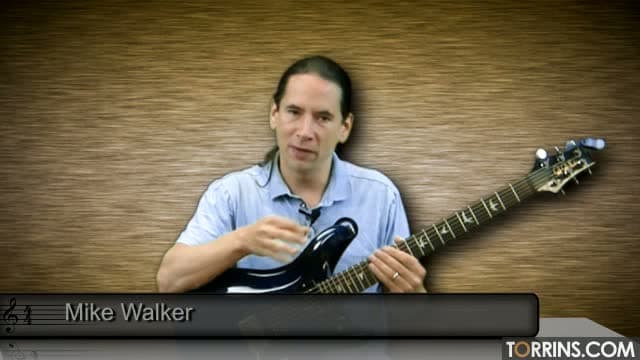
Song Demo: Here your music instructor Mike Walker is going to show you how to play the entire song with the backing track.
Overdubs: There are two overdub sections in this song and in this part of the guitar lesson Mike is going to teach you both of them.
Why Learn Absinthe Party By Minus The Bear?
For this song, you have to learn an intricate technique of two-hand tapping, which makes it both fun and challenging even for an expert guitarist. As you learn this song, you will be able to work on your dexterity, coordination and fluid playing.
FAQs – This Song Guitar Lesson
Q1. Did Minus the Bear stop performing?
Ans. In 2018, Minus the Bear came out with sad news of their retirement. They accompanied their retirement with a farewell tour as well. In 2025, the band reunited once again and announced an anniversary tour to commemorate their 20th anniversary of Menos el Oso.
Q2. Who is the lead singer of the Absinthe Party by Minus the Bear?
Ans. Jake Snider is the lead singer of the band, and he was the main vocalist of the song Absinthe Party.
Q3. What Type of music does Minus The Bear produce?
Ans. All the songs from Minus the Bear can be categorised as experimental rock, there had been a number of twists and turns in their music throughout their 17 year long run. The band was able to build a strong fan base after they were formed in 2001.
Fun Fact: A friend of the band went on a date and when Jake Snider who was singer and guitarist for the band asked him how his date was he said You know that TV show from the '70s, B. J. and the Bear? It was like that ... minus the Bear.' And from there all the members agreed on naming that reference as their official band name.
Introduction
Absinthe Party is the most well-known song from Minus the Bear. It involves intricate guitar play along with unique rhythm and tapping techniques. Minus the Bear is an Indie rock band from America; in their entire run, the band released a total of 6 studio albums.
Chords Used in Song Guitar Lesson
Arpeggios Verse & Chorus Chords: Instead of the traditional way, Minus the Bear uses the tapping technique to create arpeggios for this song, here’s an example of how you can also play arpeggios for this track:
e|------7h10p7-----7h10p7------|
B|-----------------------------|
G|----7---------7-------------|
D|--9---------9---------------|
A|-----------------------------|
E|-----------------------------|
Strumming Pattern
This song requires you to learn finger tapping, syncopated rhythms, along with layered guitar parts. The band was less resilient to the traditional strumming pattern; still if you are looking for a rhythm guitar approach you can follow this pattern: D D U U D U.
- D = Down strum
- U = Up strum
Song Structure
Introduction: The introduction of this guitar lesson starts with prepping your guitar with the necessary tuning.
Tapping Section: In this section, you will be learning about how to play the first part of the song using the two-handed tapping technique.
Distortion Section: For this section you have to turn on the distortion on your amplifier, you will be playing a repetitive riff which will be replayed 4 times in the song.
Song Demo: Here your music instructor Mike Walker is going to show you how to play the entire song with the backing track.
Overdubs: There are two overdub sections in this song and in this part of the guitar lesson Mike is going to teach you both of them.
Why Learn Absinthe Party By Minus The Bear?
For this song, you have to learn an intricate technique of two-hand tapping, which makes it both fun and challenging even for an expert guitarist. As you learn this song, you will be able to work on your dexterity, coordination and fluid playing.
FAQs – This Song Guitar Lesson
Q1. Did Minus the Bear stop performing?
Ans. In 2018, Minus the Bear came out with sad news of their retirement. They accompanied their retirement with a farewell tour as well. In 2025, the band reunited once again and announced an anniversary tour to commemorate their 20th anniversary of Menos el Oso.
Q2. Who is the lead singer of the Absinthe Party by Minus the Bear?
Ans. Jake Snider is the lead singer of the band, and he was the main vocalist of the song Absinthe Party.
Q3. What Type of music does Minus The Bear produce?
Ans. All the songs from Minus the Bear can be categorised as experimental rock, there had been a number of twists and turns in their music throughout their 17 year long run. The band was able to build a strong fan base after they were formed in 2001.
Fun Fact: A friend of the band went on a date and when Jake Snider who was singer and guitarist for the band asked him how his date was he said You know that TV show from the '70s, B. J. and the Bear? It was like that ... minus the Bear.' And from there all the members agreed on naming that reference as their official band name.
Explore More in English Songs
Introduction
Torrins brings you an exciting guitar lesson on Insomnia by Rob Marcello, taught by the artist himself. This means you are learning the song's intricacies directly from the creator, giving you a unique insight into the techniques and creative choices behind this guitar masterpiece.
Fun Fact: Rob Marcello was quite young when he composed this song and admitted that he wasn’t fully familiar with advanced music theory at the time. While Insomnia may not have achieved mainstream chart success, it remains a respected piece within the guitar community.
Chords Used in Insomnia Guitar Lesson
- Intro: Intro is played in the key of G harmonic minor and uses a C minor arpeggio and triad. It also includes an F# chord along with other chords.
- Verse: Chords used: Gm, F/G. It’s a simple verse structure with basic licks. Practising this verse is a good exercise for picking accuracy.
- Chorus: In chorus, the key changes to C minor. This section involves arpeggios, sliding, and tapping
- Break Section: The key of G harmonic minor returns. It has a metal-style lick. One of the chords is a D chord.
- Classical Section: Has a key of G major. Ensure you have a clean note separation in this section. Tip: Lift each finger as you play.
- Pre-Solo Section: Some of the chords used are D major and E♭ major. This section involves sliding up the neck and is still in the key of G harmonic minor.
- First Solo: Base stays on G and includes F major arpeggio.
- Main Solo: It uses harmonic picking, a guitar technique where you pick a note while lightly touching the string to create a bright, bell-like overtone. The solo starts with blues licks played through a wah-wah pedal and follows a pentatonic blues box shape.
There are other segments in this song that cover Dominant 7 tapping lick, string skipping & pentatonic licks, and lastly, he ends the lesson by playing along with a backing track.
Why Learn Insomnia?
Insomnia is an excellent song for players looking to improve their left-hand legato, harmonic picking, and tapping techniques. It blends metal, blues, and classical influences, making it a well-rounded piece for guitarists aiming to develop technical precision and creative expression. It is better suited for advanced players.
Tips for Playing Insomnia:
- Pay attention to the rhythmic phrasing in the break section.
- Master the sliding and tapping techniques in the solos for a polished sound.
FAQs – Insomnia Guitar Lesson
Q1. Is this song beginner-friendly?
No, this lesson is suited for advanced players due to the complex techniques involved.
Q2. How can I master the classical section?
Ensure clean note separation by lifting each finger immediately after playing the note.
Introduction:
Get ready to learn You Send Me by Sam Cooke with instructor Mike Dugan on Torrins. This lesson covers everything from basic chords and strumming patterns to advanced solo techniques, making it suitable for both beginners and more experienced players. Mike breaks down the song step-by-step, helping you match your vocals with the chords and refine your rhythm for a polished performance.
Fun Fact: This was Sam Cooke’s debut single and it was a glorious debut– it peaked at number 1 position on both Billboard's Rhythm & Blues Records chart and the Billboard Hot 100. It was also named as one of the 500 most important rock and roll recordings by the Rock & Roll Hall of Fame.
Chords and Techniques Used in You Send Me
- Key: The original song is in the key of F for vocals, but Mike moves it to the key of G since it’s easier to follow on the guitar.
- Chords Used:
- G, D or D7, Am, and others
- He explains easy chord transitions and provides alternatives for beginners struggling with barre chords.
- Strumming Pattern:
- For Beginners:
- Use downstrokes, with two strums per chord for the verse.
- The verse uses open chords, with downstrokes on the numbers and upstrokes on the "and" counts.
- Tip: Don’t force the upstrokes—keep them light and natural.
- For Advanced Players:
- Mike demonstrates an advanced rhythm pattern using downstrokes with a triplet feel.
- He explains how to create a smoother, more dynamic strumming effect.
- For Beginners:
Song Structure
- Verse 1 and Verse 2: The two verses follow the same chord pattern and strumming technique. He also teaches how to match your vocals with the chords for a cohesive sound.
- Bridge: The bridge includes barre chords, but Mike teaches open chord alternatives for beginners. He explains the correct positioning for barre chords in detail to help you improve your grip and clarity.
- Solo Section: The solo is in the key of G major. The lead follows the relative minor of G (E minor), using the E minor pentatonic scale. For advanced players, he demonstrates a creative technique that makes the solo sound very close to the original recording.
Why Learn You Send Me?
This lesson not only teaches you how to play the song but also helps you develop better rhythm, improve chord transitions, and explore creative soloing techniques. The mix of beginner-friendly guidance and advanced options makes it a well-rounded learning experience.
Tips to Improve Your Playing
- Start slow with the strumming pattern to build muscle memory.
- Focus on smooth transitions between chords.
- For the solo, practice the E minor pentatonic scale separately before combining it with the backing track.
- Follow along with the tabs provided for a comprehensive learning experience.
FAQs – You Send Me Guitar Lesson
Q1. Is this song suitable for beginners?
Ans: Yes! The lesson includes beginner-friendly chords and strumming patterns, along with alternatives for challenging barre chords.
Q2. What’s the best way to improve my chord transitions?
Ans: Start slowly and focus on switching between two chords at a time before increasing your speed.
Q3. Do I need a capo for this song?
Ans: No capo is required, but you can experiment with different chord voicings to match your vocal range.
Introduction
Learn the famous “I Shot the Sheriff” on Torrins, led by our expert instructor Steve Luciano, who has decades of experience playing and teaching guitar. “I Shot the Sheriff” is originally a reggae song written by Bob Marley and released in 1973 with his band, The Wailers. However, you'll be playing Eric Clapton’s version of this song with Steve on Torrins.com. Eric recorded his cover in 1974 for his album 461 Ocean Boulevard. His performance of the song adds soft rock to the reggae sound, giving it a unique feel.
The difficulty level of this guitar lesson ranges from beginner to intermediate and breaks down the chords, rhythm, structure, and strumming pattern in a simple yet engaging way! So, tune in and unfold the magic of this hit cover!
Steve Luciano teaches the I Shot The Sheriff Song guitar lesson using 4 movable chords: Gm, Cm, Eb, and Dm. No capo is needed!
Chords Used in I Shot the Sheriff Guitar Lesson
This song is played using movable chords, which are common in reggae music.
Chords used: Gm, Cm, Eb, Dm
Steve teaches essential finger positioning and movement techniques to help make chord transitions smoother. He also demonstrates how to lighten finger pressure to achieve the signature reggae "deadening" effect on the strings.
Strumming Pattern
Pattern: D-U-D-U
- Like other reggae songs, this one emphasizes playing on the downbeat but feeling the upbeat to capture its groove.
- It’s good if you practice the chords first before adding rhythm, as some transitions can be tricky.
Song Structure
This song follows a verse-chorus format:
- Verse: The beginning of the song primarily uses Gm and Cm chords.
- Chorus: Introduces the Eb chord, which can be challenging for some players. Steve demonstrates easier ways to play Eb, particularly for those with larger fingers.
- The chorus chord progression repeats five times.
- At the end of the chorus, there's a signature single-note tag based on the Gm pentatonic scale. This lick is played each time the chorus ends.
Improvisation Techniques
- The song features a signature lick at the end of the chorus, based on the Gm pentatonic scale. Steve breaks down how to play the notes smoothly to maintain the song’s groove.
Why Learn I Shot the Sheriff on Guitar?
- Learning this song can help you master movable chord shapes commonly used in reggae.
- It will also help you improve reggae-style strumming and chord muting techniques.
- Additionally, it provides insight into lead guitar phrasing with the signature pentatonic lick.
Tips for Playing the Song Smoothly
- Practice chord transitions first before adding strumming.
- Loosen your grip to achieve the proper reggae deadening effect.
- Feel the upbeat while strumming for an authentic reggae sound.
FAQs – I Shot the Sheriff Guitar Lesson
Q1. Is this song beginner-friendly?
A: It’s suitable for intermediate players, as it uses movable chords, which may be challenging for beginners.
Q2. What if I struggle with the Eb chord?
A: Steve demonstrates easier alternatives for players who find it difficult, especially those with larger fingers.
Fun Fact: “I Shot the Sheriff” was originally a spiritual metaphor for birth control, though Bob Marley never revealed which lyrics were true. Eric Clapton’s 1974 cover became a massive hit, introducing Marley’s music to rock audiences worldwide. While Marley was happy with the cover, he was frustrated that the song was widely misinterpreted as an anthem against injustice and corruption rather than its original meaning.
Introduction
Learn to play Island In The Sun by an American rock band called Weezers with this beginner-friendly guitar tutorial, taught by our expert tutor, Steve Luciano. Master chords, rhythms, and backing tracks with ease.
Steve breaks this song down using just four simple chords—yes, only four—played in a repetitive pattern. Two of them? E minor and A minor. Want to learn the rest and master the rhythm that brings this song to life? Tune in to the full tutorial!
Chords Used in Island In The Sun Guitar Lesson
Verse & Chorus Chords: The verse and chorus use open string chords
The original version of the song is played using movable chords, however, Steve teaches this guitar song tutorial using open chords to ensure ease of playing for beginners.
Steve breaks down this song to play it using 4 easy chords used repetitively. However, the rhythm is slightly complex.
Strumming Pattern: This song follows a common 4/4 time signature with a two-measure pattern. Steve uses an anticipating rhythm to add syncopation on the upbeat, giving the song a more dynamic feel
For the intro part, the rhythm is slightly tricky– DDUDDUUDUDD.
However, as the vocal comes in, the rhythm becomes simpler and repeats in this pattern– DDUDDDDUDD
Since the rhythm of this is slightly more complex, Steve teaches this song using simple open string chords, instead of movable chords like the original version, so that it’s easier on the left hand. This gives an overall great groove to the song.
Why Learn Island in the Sun on the Guitar?
- This guitar lesson focuses on rhythm mastery, particularly syncopation and anticipating beats.
- Great for improving timing, strumming control, and chord switching.
- Provides a relaxed, island-like groove, making it fun to play.
Tips for Mastering the Rhythm
Start slow: Play the intro rhythm at a slower tempo and then gradually increase the speed.
- Use a metronome: It helps develop consistency, especially with anticipation and syncopation.
- Strum lightly: Overstrumming can kill the groove—aim for a relaxed wrist motion.
FAQs – Island In The Sun Guitar Lesson
Q1: Is this song beginner-friendly?
- Yes! Although the rhythm is slightly tricky, Steve simplifies it by using open chords instead of movable ones.
Q2: How can I improve my rhythm for this song?
- Focus on anticipation, follow Steve’s guidance, and practice with a metronome.
Similar Rock Songs
Introduction:
Torrins brings you another country sing-and-play lesson "You Ain’t Goin’ Nowhere", recorded by The Byrds and originally written by Bob Dylan. Taught by Mike Dugan, this lesson makes it easy for anyone to learn, whether you’re just starting out or looking to refine your rhythm and strumming technique.
Fun Fact: Bob Dylan wrote You Ain’t Goin’ Nowhere in 1967 during his self-imposed exile following a motorcycle accident. The Byrds later popularized the song with their signature country-rock sound.
Chords & Song Structure
This song is played in the key of G and follows a simple country chord progression, making it a very easy song to learn and play for players of all skill levels.
Chords Used - G, Am, and others. Mike walks through the finger placements and transitions, ensuring you get a smooth chord change.
The lesson also covers chord distribution across measures, making it easy to follow along and learn.
Strumming Pattern & Rhythm
The song has two strumming approaches:
- Beginner-Friendly Strumming – Simple downstrums that keep the rhythm steady and easy to sing along with.
- Advanced Strumming – For players looking to add more depth, Mike introduces a DDUDD pattern, explaining where to add accents for a more dynamic sound.
The lesson also includes tips on rhythm timing to attain the song’s natural flow.
Sing & Play
One of the biggest challenges for many players is singing while playing. Mike breaks down the coordination between vocals and guitar, showing:
- Which words align with downstrums
- Where to pause or hold a chord
- How to gradually add complexity to your strumming without losing the vocal flow
If you want to be the life of the party, this lesson will help you sing and play smoothly, even if you’ve never done it before. So, get your guitar ready and start strumming along to this timeless country classic today.
Final Playthrough – Bringing It All Together
Mike plays through the entire song twice—once with the beginner strumming pattern and then with the advanced version. The song has a retarded (slowed-down) ending, which he explains in the end.
He also advises starting with simple strumming, building confidence, and then progressing to advanced strumming techniques.
Why Learn You Ain’t Goin’ Nowhere?
Perfect for beginners – The song has easy chords, simple structure, and a laid-back strumming pattern.
Great for sing-alongs – It will help you learn how to balance vocals and guitar.
Ideal for country and folk lovers – The song has a classic country rhythm and storytelling approach to the lyrics.
FAQs – You Ain’t Goin’ Nowhere Guitar Lesson
Q1: Is this lesson beginner-friendly?
Yes! This lesson is one of the easiest sing-and-play songs to learn on Torrins.com.
Q2: What if I struggle with advanced strumming?
Stick with the basic downstrums first. Once you're comfortable, move on to the DDUDD pattern with accents.
Introduction:
Looking to learn one of the most heartfelt love ballads ever written? Then this song tutorial of Eric Clapton’s hit song is a must-watch for you. This "Wonderful Tonight" guitar lesson, taught by Mike Dugan, breaks down the song into an easy-to-follow tutorial that’s perfect for both beginners and advanced players. Mike teaches you how to sing as well as play the song.
Fun Fact: Eric Clapton wrote "Wonderful Tonight" while waiting for his then-girlfriend, Pattie Boyd, to get ready for an event. Despite its simplicity, the song became his most downloaded track on Spotify, with over 480 million streams!
Chords Used in "Wonderful Tonight"
This lesson is taught in the key of G major, and it primarily uses open chords, making it accessible to beginners. Some of the main chords include:
- G
- Em
- D/F#
The lesson also covers additional chords and variations—tune in to discover them all!
Strumming Pattern & Rhythm Techniques
- Beginner-Friendly Strumming: Basic downstrums to ensure smooth transitions between chords.
- Advanced Strumming: The tutorial also covers a more complex strumming pattern used in the original recording. This involves subdivisions, where each beat is split into four 16th notes, creating a rhythmic groove with an alternate strumming pattern (DUDUDU) with accents.
- Special Techniques: The instructor introduces a unique method for adding accents, perfect for players looking to elevate their rhythm skills. Tune in to the lesson to learn how to do it.
Song Structure Breakdown
This tutorial follows the song’s original structure, making it easier to follow:
- Intro (played twice)
- Verse 1
- Intro section again
- Verse 2
- Bridge
- Intro played twice
- Verse 3 with a tag ending
- Intro played twice to fade out
Tip: The intro shares a similar progression to the first part of the verse, making it easier to grasp.
Walk-Down Technique & Chord Transitions
One of the standout features of this lesson is the walk-down technique, where the bass notes descend smoothly between chords. Mike provides a step-by-step breakdown of positioning complex chord shapes and making smooth transitions.
Sing & Play Lesson
Want to sing while playing? This lesson dedicates a section to teaching how to play and sing simultaneously, helping learners match their strumming with the song’s vocal phrasing.
Final Play-Along & Bonus Lesson
- The lesson ends with a play-along section featuring a backing track, allowing learners to practice the entire song with professional accompaniment.
- For a more in-depth approach to playing "Wonderful Tonight" in an authentic style, check out Steve Luciano’s version, which focuses on the intricacies of the guitar work of the song.
FAQs – "Wonderful Tonight" Guitar Lesson
Q1. Is this song beginner-friendly?
Yes! With just a few open chords and a straightforward rhythm, it’s perfect for beginners.
Q2. How can I improve my strumming for this song?
Start with basic downstrums, then work on the subdivided 16th-note pattern with accents for a more authentic feel.