Overdub
Introduction
Bombtrack is one of the explosive songs from Rage Against the Machine’s debut album. In addition to this, it comes with powerful riffs, and groove-driven rhythms and it also includes aggressive energy.
Chords Used in Song Guitar Lesson
Arpeggios Verse & Chorus Chords: There are no traditional arpeggios in the verse, instead you have to follow heavy power chords with a combination of muted rhythms.
e|---------------------------------|
B|---------------------------------|
G|---------------------------------|
D|---------4-4-2-2-4--------------|
A|---2-2--------------------------|
E|---------------------------------|
Strumming Pattern
This song follows a more tight-riff playing than your traditional strumming. As a result, you have to follow the rhythm guitar approach to be more precise and smooth. Here is how you should be strumming with a palm-muted downstroke approach for punchy rhythm: D D D D D U D U.
- D = Down strum
- U = Up strum
Song Structure
Introduction: In this introduction section Mike Walker your guitar instructor teaches you how to tune up the guitar for this song.
Song Arrangement: Here Mike shows you how to play the intro, midsection and the outro of the song. He shares his knowledge of guitar playing and how the intro is a 4 bar phase.
Overdub: Here, you will learn how to play the overdubs which come at the start of the song.
Song Demo: This is where you will learn how to play the entire song with the backing track to keep up guitar chords with the original time signature of the song.
Solo 1: Over here you will be learning how to play the first solo which is present right after the first bridge.
Outro Solo: This is the final part of this guitar lesson, here Mike is going to show you how to play outro solo.
Why Learn Bombtrack By Rage Against The Machine Song?
This is a pretty intricate song to learn that starts with simple yet heavy riffs, as a result, it is perfect for learning palm muting, power chord slides and even for practicing tight picking. This is one of the few songs from Rage Against the Machine which is beginner friendly, the guitar lesson that we have here is perfect for individuals who want to improve their riff-based playing.
FAQs – Bombtrack Guitar Lesson
Q1. Why is Range Against the Machine Controversial?
Ans. One of the biggest reasons why Rage Against the Machine is controversial is because of their fiercely political music that comes with sloganeering left-wing rants against the corporate culture of America.
Q2. How many BPM is Bombtrack?
Ans. This song is at 152 BPM; the song runs for 4 minutes and 3 seconds in the key of E and with a major mode.
Q3. Is Rage Against the Machine anti-capitalist?
Ans. Yes, that can be said for Rage Against the Machine because they have voiced their disagreement on various political, domestic and foreign policies that were introduced by the US government.
Q4. What is the heaviest Rage Against the Machine song?
Ans. Bullet in the Head is the heaviest song from Rage Against the Machine according to their fans. The song is a reference to how the government is trying to use the media to influence their control over the population.
Introduction
Bombtrack is one of the explosive songs from Rage Against the Machine’s debut album. In addition to this, it comes with powerful riffs, and groove-driven rhythms and it also includes aggressive energy.
Chords Used in Song Guitar Lesson
Arpeggios Verse & Chorus Chords: There are no traditional arpeggios in the verse, instead you have to follow heavy power chords with a combination of muted rhythms.
e|---------------------------------|
B|---------------------------------|
G|---------------------------------|
D|---------4-4-2-2-4--------------|
A|---2-2--------------------------|
E|---------------------------------|
Strumming Pattern
This song follows a more tight-riff playing than your traditional strumming. As a result, you have to follow the rhythm guitar approach to be more precise and smooth. Here is how you should be strumming with a palm-muted downstroke approach for punchy rhythm: D D D D D U D U.
- D = Down strum
- U = Up strum
Song Structure
Introduction: In this introduction section Mike Walker your guitar instructor teaches you how to tune up the guitar for this song.
Song Arrangement: Here Mike shows you how to play the intro, midsection and the outro of the song. He shares his knowledge of guitar playing and how the intro is a 4 bar phase.
Overdub: Here, you will learn how to play the overdubs which come at the start of the song.
Song Demo: This is where you will learn how to play the entire song with the backing track to keep up guitar chords with the original time signature of the song.
Solo 1: Over here you will be learning how to play the first solo which is present right after the first bridge.
Outro Solo: This is the final part of this guitar lesson, here Mike is going to show you how to play outro solo.
Why Learn Bombtrack By Rage Against The Machine Song?
This is a pretty intricate song to learn that starts with simple yet heavy riffs, as a result, it is perfect for learning palm muting, power chord slides and even for practicing tight picking. This is one of the few songs from Rage Against the Machine which is beginner friendly, the guitar lesson that we have here is perfect for individuals who want to improve their riff-based playing.
FAQs – Bombtrack Guitar Lesson
Q1. Why is Range Against the Machine Controversial?
Ans. One of the biggest reasons why Rage Against the Machine is controversial is because of their fiercely political music that comes with sloganeering left-wing rants against the corporate culture of America.
Q2. How many BPM is Bombtrack?
Ans. This song is at 152 BPM; the song runs for 4 minutes and 3 seconds in the key of E and with a major mode.
Q3. Is Rage Against the Machine anti-capitalist?
Ans. Yes, that can be said for Rage Against the Machine because they have voiced their disagreement on various political, domestic and foreign policies that were introduced by the US government.
Q4. What is the heaviest Rage Against the Machine song?
Ans. Bullet in the Head is the heaviest song from Rage Against the Machine according to their fans. The song is a reference to how the government is trying to use the media to influence their control over the population.
Explore More in English Songs



Introduction:
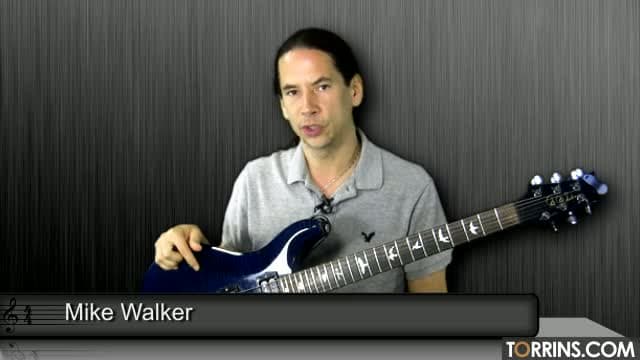
Torrins brings you an exciting guitar lesson on Sultans of Swing by Dire Straits, taught by Mike Dugan. This song blends fingerstyle finesse with classic rock grooves, and Mike breaks it all down into bite-sized lessons so you can follow along at your own pace.
Interesting Fact
Mark Knopfler originally wrote the song on a National Steel guitar in open tuning. He thought it sounded dull—until he tried it on his 1961 Fender Stratocaster. The moment he plugged it in, the song “came alive,” and the now-famous chord changes practically wrote themselves.
Chords & Progression
This song is in the key of D minor and uses both barre and open chords.
Chords include: Dm (barre), Bb, A7, F, and others.
The progression is smartly structured across the different sections, and Mike breaks down which chords go where and how they’re distributed across measures.
Song Structure
Each section is covered in detail, including how the chords and rhythms evolve throughout the song.
Intro Rhythm and Bounce Feel
One of the most iconic parts of Sultans of Swing is its bounce. Mike explains how this bounce is created by returning to the D minor chord in the intro, and how to use finger lifts and muting to shape the rhythm. He simplifies the feel for beginners while encouraging a relaxed hand to avoid letting the guitar ring too much. The subtle muting helps create those signature accents that make this riff so catchy.
Riff Rhythm
The riff acts as the instrumental bridge between verses and chorus, and it’s rhythmically complex. Mike shares a unique method to help you internalize the up and down strumming pattern and nail the timing.
Verse and Chorus – Singing & Playing Together
Mike walks you through how to match your vocals with the guitar parts, offering tips on timing and phrasing. The chorus uses a repetitive chord progression, so once you lock it in, you can focus more on dynamics and vocal delivery.
Intro Lead and Riffs
The lead parts are based around the D minor pentatonic scale, with one note borrowed from F major, and also include arpeggios. Mike breaks this down note by note, making the intro riff approachable even for those who are new to lead playing.
Solo Improvisation
The end solo of the song is a masterclass in feel and phrasing. Mike starts at the 10th fret and teaches the solo string by string. He introduces a cool technique called calming, along with triplet patterns, giving your solo a more expressive touch.
Main Riff Breakdown
To wrap up, Mike teaches the main riff of the song, played using a pick and two fingers for a hybrid picking effect. The riff includes the D minor triad and showcases how intricate fingerpicking can add character to a song.
FAQs – Sultans of Swing Guitar Lesson
Q1: Is this song beginner-friendly?
It’s more suited for intermediate players, but Mike breaks it down clearly, and beginners can still follow along section by section.
Q2: Do I need a capo?
No capo is needed for this version.
Q3: How do I get the “Knopfler feel”?
Focus on muting, dynamic accents, and hybrid picking. Let the rhythm breathe, and play with feel over flash.
Introduction:
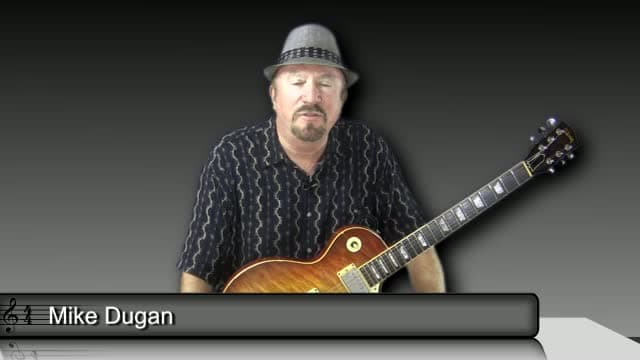
Torrins brings you a classic country guitar lesson—Your Cheatin’ Heart, written and recorded by Hank Williams in 1952. Taught by Mike Dugan, this sing and play lesson breaks down the song into easy-to-follow sections, making it perfect for beginners and experienced players alike. He breaks down the chords, rhythm, and song arrangement of the song.
Fun Fact: Did you know Williams wrote this song while driving from Nashville to Shreveport with his fiancée? After calling his first wife a "cheatin’ heart," the lyrics poured and the entire song was ready within minutes.
Chords & Song Structure
This song follows a standard verse-chorus structure with a bridge in between.
- Key: The song is in the key of C major
- Verse Chords: The verse has three basic open chords. Tune into the lesson to learn them.
- Bridge Chords: Bridge includes chords like F, D7, and others.
Mike carefully breaks down finger positioning, chord transitions, and how the chords are divided across measures. He also provides alternative fingerings to make it easier for beginners.
Do you wish to learn the intricacies of Country Guitar Playing? Check out our detailed lessons to master this style!
Strumming Patterns
This song has a simple and steady strumming style, ideal for both beginners and advanced players.
- Beginner-Friendly Strumming:
- A basic downstrum-only pattern in straight 4s to help new players get comfortable.
- Advanced Strumming Pattern:
- A more dynamic down-up pattern (DDUDDDDUDD) that adds depth and groove. Mike explains the transitions and accents in detail to help you get the authentic country feel.
Sing & Play
If you want to sing while playing, Mike provides a step-by-step breakdown of how the vocals align with the chord changes. He explains:
- How to keep your strumming steady while singing
- Where to place emphasis in both lyrics and chords
- How to build confidence in singing and playing simultaneously
He suggests beginners to start with the basic strumming pattern, and once comfortable, then they can switch to the more advanced rhythm for a fuller sound.
Moreover, you can take advantage of the accompanied lyrics in the song lesson for a comprehensive learning experience.
Why Learn Your Cheatin’ Heart?
- Classic country song that strengthens rhythm guitar skills
- Great for beginners, thanks to simple chords and a steady beat
- Teaches strumming variations, helping you develop better control
- Perfect for sing-alongs, making it a fun addition to your repertoire
FAQs Your Cheatin’ Heart Guitar Lesson
Q1: Is this song beginner-friendly?
Yes! The song uses simple open chords and a steady strumming pattern, making it perfect for beginners.
Q2: What if I struggle with singing and playing at the same time?
Start with basic downstrums to get comfortable. Once you have the rhythm down, gradually add vocals.
Q3: Do I need a capo for this song?
No capo is needed. The song is played in the key of C with open chords.



Similar Metal Songs

Introduction
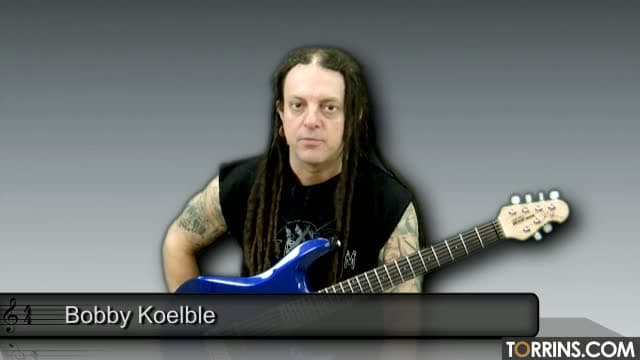
Get ready to master another death metal classic on Torrins—Symbolic by the band Death. This lesson is taught by Bobby Koelble himself, one of the guitarists on the original track. Bobby breaks down the song into several parts, covering essential chords, rhythms, and guitar tones, ensuring a detailed and engaging learning experience.
Fun Fact
Bobby Koelble joined Death after being recommended to Chuck Schuldiner, the band's co-founder, by a friend working at a local music store. Koelble and Schuldiner had known each other since high school in Orlando. After joining the band, Koelble toured with Death across the United States, Canada, Europe, and Japan before the band eventually disbanded.
Chords and Techniques Used in Symbolic
- Tuning: Standard tuning down a whole step
- Key: E minor
- Some of the chords used in this song are G#, F#, Bm, and A7. Tune in to the lesson to know the rest of the chords used in this song.
Song Structure
- Main Riff: The main riff repeats seven times and features vibrato, alternative picking, and palm muting. It includes a few power chords, one being G#.
- Chorus: The chorus riff follows the same pattern as the main riff but repeats 14 times. Tune in to the lesson for a detailed breakdown of the rest of the chorus.
- Solo Section: The solo section features four power chords. In this section, there’s a transition riff as well, which consists of four single notes and a power chord.
- Solo section played by Bobby in the original song: It is played in the key of F# and features chords like B minor, F# power chord, and A7—all diatonic to F#. He breaks down the solo into three sections: beginning, middle, and end and shares valuable tips on mastering the solo, including his creative process behind crafting the iconic riff.
Bobby plays all elements slowly, first to make it easier to follow, then repeats them at normal speed. He also explains the guitar tone in detail.
Why Learn Symbolic?
This lesson provides a detailed breakdown of one of death metal’s most iconic tracks. Bobby Koelble’s insight into the composition and technique will help you refine your alternative picking, palm muting, and power chord transitions. It's a challenging yet rewarding song to master for any metal guitarist. If you’re an advanced player or an intermediate player looking for songs to improve your techniques, this song has to be in your repertoire.
Tips to Improve Your Playing
- Start by playing the riffs at a slower pace, then gradually increase your speed.
- Pay close attention to the vibrato and palm muting techniques to capture the song’s unique tone.
- Focus on smooth chord transitions during the solo to maintain the song’s flow.
FAQs – Symbolic Guitar Lesson
Q1. Is this song suitable for beginners?
Ans: This lesson is recommended for intermediate to advanced players due to its fast-paced riffs and complex solos.
Q2. What tuning is used for this song?
Ans: The song is played in standard tuning down a whole step.