Solo
Holy Diver - Introduction
Holy Diver is one of the most iconic heavy metal songs ever recorded, serving as the title track of Dio’s debut album in 1983. Written by the legendary Ronnie James Dio after his stints with Rainbow and Black Sabbath, the song showcases his signature lyrical style—filled with medieval imagery, heroic themes, and battles between good and evil. The lyrics tell the story of a mysterious, divine warrior, often interpreted as a metaphor for spiritual struggle and redemption. Dio’s powerful, operatic vocals and Vivian Campbell’s crushing guitar riffs made the track an instant classic.
The music video, though dated by today’s standards, became legendary for its fantasy aesthetic, featuring Dio as a sword-wielding hero battling demons. The song’s mid-tempo groove, anthemic chorus, and unforgettable riff solidified its place in metal history. Over the years, "Holy Diver" has been covered by bands like Killswitch Engage and referenced in pop culture, proving its lasting influence. Ronnie James Dio’s performance on this track remains one of the greatest in metal, blending raw power with theatrical flair.
Holy Diver Guitar Lesson
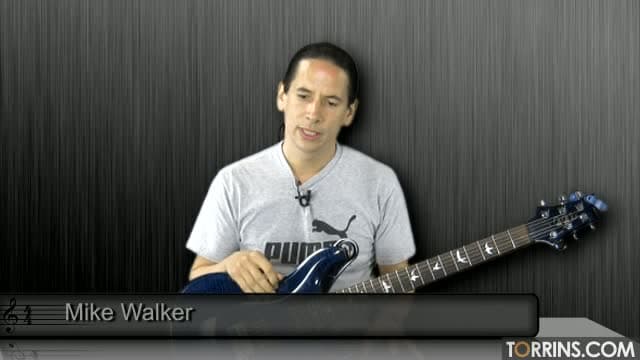
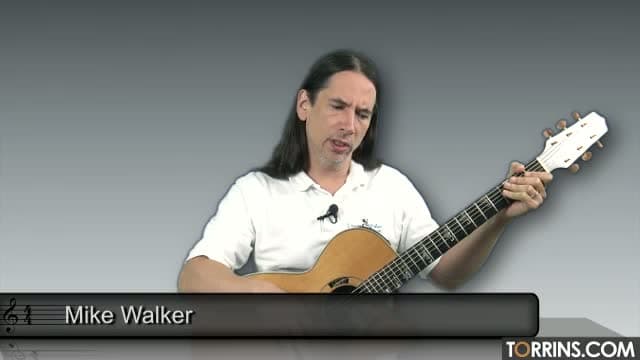
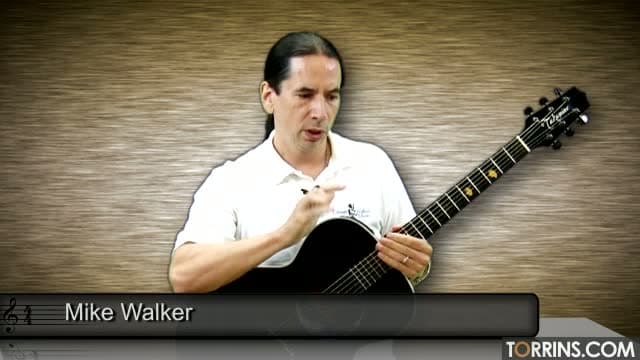
Taught by Mike Walker, this lesson dives deep into playing "Holy Diver" in dropped C tuning (C-G-C-F-A-D), which gives the song its thick, heavy sound. The main riff, played by Vivian Campbell, is built around power chords (C5, G5, A♭5) and uses palm muting to create a tight, aggressive groove. The tuning allows for easy sliding between chords while maintaining a massive low-end presence.
The verse follows a C5 - G5 - A♭5 progression, with the riff emphasizing the open C string for a chugging effect. The chorus shifts to a C5 - G5 - F5 pattern, adding a melodic lift before returning to the main riff. The solo section is where Campbell’s playing shines—using the C minor pentatonic scale (C-E♭-F-G-B♭) with fast alternate picking and wide bends for dramatic flair. The harmonic minor scale (C-D-E♭-F-G-A♭-B) also appears in the solo, giving it a darker, classical edge.
For the rhythm parts, focus on tight palm muting and consistent downstrokes to match the song’s driving feel. The pre-chorus introduces a syncopated riff that requires precise timing—practice it slowly with a metronome before speeding up. The bridge features harmonized leads, where two guitars play complementary melodies, a technique Dio borrowed from his Rainbow days.
Beginners should start by mastering the main riff and power chords in dropped C tuning. Intermediate players can work on the syncopated rhythms and solo licks, paying attention to vibrato and bends. Advanced players should study the harmonic minor passages and experiment with adding their own fills.
FAQs
Q. How do I tune my guitar to dropped C for this song?
Lower your sixth string from E to C, fifth from A to G, and leave the rest in standard tuning (C-G-C-F-A-D).
Q. What scales does Vivian Campbell use in the solo sections?
Primarily C minor pentatonic (C-E♭-F-G-B♭) with touches of C harmonic minor (C-D-E♭-F-G-A♭-B) for a classical metal feel.
Holy Diver - Introduction
Holy Diver is one of the most iconic heavy metal songs ever recorded, serving as the title track of Dio’s debut album in 1983. Written by the legendary Ronnie James Dio after his stints with Rainbow and Black Sabbath, the song showcases his signature lyrical style—filled with medieval imagery, heroic themes, and battles between good and evil. The lyrics tell the story of a mysterious, divine warrior, often interpreted as a metaphor for spiritual struggle and redemption. Dio’s powerful, operatic vocals and Vivian Campbell’s crushing guitar riffs made the track an instant classic.
The music video, though dated by today’s standards, became legendary for its fantasy aesthetic, featuring Dio as a sword-wielding hero battling demons. The song’s mid-tempo groove, anthemic chorus, and unforgettable riff solidified its place in metal history. Over the years, "Holy Diver" has been covered by bands like Killswitch Engage and referenced in pop culture, proving its lasting influence. Ronnie James Dio’s performance on this track remains one of the greatest in metal, blending raw power with theatrical flair.
Holy Diver Guitar Lesson
Taught by Mike Walker, this lesson dives deep into playing "Holy Diver" in dropped C tuning (C-G-C-F-A-D), which gives the song its thick, heavy sound. The main riff, played by Vivian Campbell, is built around power chords (C5, G5, A♭5) and uses palm muting to create a tight, aggressive groove. The tuning allows for easy sliding between chords while maintaining a massive low-end presence.
The verse follows a C5 - G5 - A♭5 progression, with the riff emphasizing the open C string for a chugging effect. The chorus shifts to a C5 - G5 - F5 pattern, adding a melodic lift before returning to the main riff. The solo section is where Campbell’s playing shines—using the C minor pentatonic scale (C-E♭-F-G-B♭) with fast alternate picking and wide bends for dramatic flair. The harmonic minor scale (C-D-E♭-F-G-A♭-B) also appears in the solo, giving it a darker, classical edge.
For the rhythm parts, focus on tight palm muting and consistent downstrokes to match the song’s driving feel. The pre-chorus introduces a syncopated riff that requires precise timing—practice it slowly with a metronome before speeding up. The bridge features harmonized leads, where two guitars play complementary melodies, a technique Dio borrowed from his Rainbow days.
Beginners should start by mastering the main riff and power chords in dropped C tuning. Intermediate players can work on the syncopated rhythms and solo licks, paying attention to vibrato and bends. Advanced players should study the harmonic minor passages and experiment with adding their own fills.
FAQs
Q. How do I tune my guitar to dropped C for this song?
Lower your sixth string from E to C, fifth from A to G, and leave the rest in standard tuning (C-G-C-F-A-D).
Q. What scales does Vivian Campbell use in the solo sections?
Primarily C minor pentatonic (C-E♭-F-G-B♭) with touches of C harmonic minor (C-D-E♭-F-G-A♭-B) for a classical metal feel.
Explore More in English Songs
Introduction
Welcome to the bass lesson for Have You Ever Seen the Rain (Smokie version). Originally written by John Fogerty and released by Creedence Clearwater Revival in 1971, this timeless classic has been covered by many artists, including Smokie on their 1995 album The World and Elsewhere.
This lesson is taught by Mike Walker and is set in the key of C with standard tuning. It’s a straightforward yet expressive song, making it perfect for both beginners looking to sharpen their technique and intermediate players who want to refine their timing and feel.
Lesson Breakdown
Mike takes a step-by-step approach to make learning smooth and approachable.
- Intro: The intro starts with a short, tasteful lick that begins on the G string before moving to the low E. Mike also demonstrates a subtle twist here: taking the 5th of the note lower instead of the usual higher, which adds a unique flavor to the line. This is followed by another short lick, carefully broken down so you can catch every nuance.
- Verse: The verse introduces a light hammer-on lick and moves back and forth between the G and C strings. It also includes a simple but effective walking bass line. Mike explains each step slowly, highlighting when to use chromatic movements and when to hold back, making it very beginner-friendly.
- Chorus: In the chorus, Mike divides the section into smaller movements for easier learning. He also explains how to lock in your groove with the guitar and drums to create a tight rhythm section feel.
- Underneath the Guitar Solos: You’ll also learn what’s happening in the bass line beneath the guitar solos. This part involves a subtle kick-drum-inspired rhythm, moving across the frets using four key chords to keep the groove steady.
Once all the sections are covered, Mike ties it all together by playing the full arrangement along with a backing track. This demo helps reinforce everything you’ve learned and is perfect for practising your transitions smoothly.


Introduction
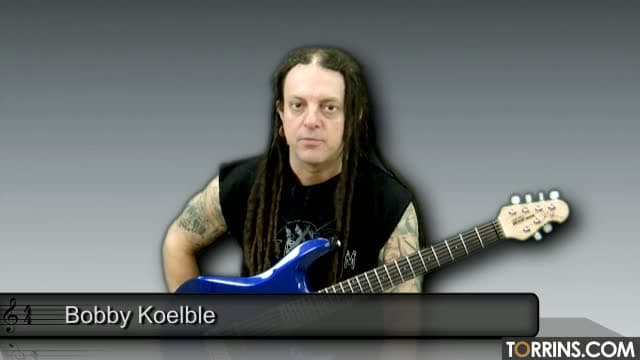
Get ready to master another death metal classic on Torrins—Symbolic by the band Death. This lesson is taught by Bobby Koelble himself, one of the guitarists on the original track. Bobby breaks down the song into several parts, covering essential chords, rhythms, and guitar tones, ensuring a detailed and engaging learning experience.
Fun Fact
Bobby Koelble joined Death after being recommended to Chuck Schuldiner, the band's co-founder, by a friend working at a local music store. Koelble and Schuldiner had known each other since high school in Orlando. After joining the band, Koelble toured with Death across the United States, Canada, Europe, and Japan before the band eventually disbanded.
Chords and Techniques Used in Symbolic
- Tuning: Standard tuning down a whole step
- Key: E minor
- Some of the chords used in this song are G#, F#, Bm, and A7. Tune in to the lesson to know the rest of the chords used in this song.
Song Structure
- Main Riff: The main riff repeats seven times and features vibrato, alternative picking, and palm muting. It includes a few power chords, one being G#.
- Chorus: The chorus riff follows the same pattern as the main riff but repeats 14 times. Tune in to the lesson for a detailed breakdown of the rest of the chorus.
- Solo Section: The solo section features four power chords. In this section, there’s a transition riff as well, which consists of four single notes and a power chord.
- Solo section played by Bobby in the original song: It is played in the key of F# and features chords like B minor, F# power chord, and A7—all diatonic to F#. He breaks down the solo into three sections: beginning, middle, and end and shares valuable tips on mastering the solo, including his creative process behind crafting the iconic riff.
Bobby plays all elements slowly, first to make it easier to follow, then repeats them at normal speed. He also explains the guitar tone in detail.
Why Learn Symbolic?
This lesson provides a detailed breakdown of one of death metal’s most iconic tracks. Bobby Koelble’s insight into the composition and technique will help you refine your alternative picking, palm muting, and power chord transitions. It's a challenging yet rewarding song to master for any metal guitarist. If you’re an advanced player or an intermediate player looking for songs to improve your techniques, this song has to be in your repertoire.
Tips to Improve Your Playing
- Start by playing the riffs at a slower pace, then gradually increase your speed.
- Pay close attention to the vibrato and palm muting techniques to capture the song’s unique tone.
- Focus on smooth chord transitions during the solo to maintain the song’s flow.
FAQs – Symbolic Guitar Lesson
Q1. Is this song suitable for beginners?
Ans: This lesson is recommended for intermediate to advanced players due to its fast-paced riffs and complex solos.
Q2. What tuning is used for this song?
Ans: The song is played in standard tuning down a whole step.

Introduction:
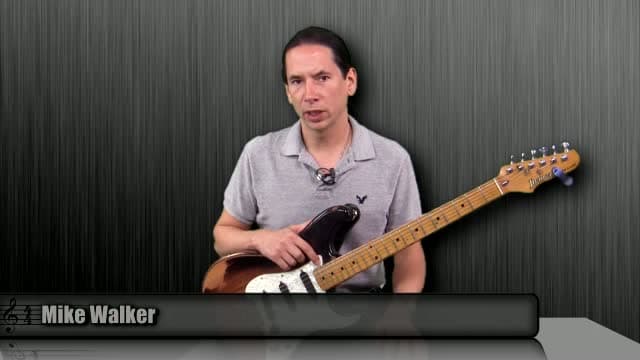
Torrins brings you a detailed lesson on Hotel California by The Eagles, taught by Mike Walker. This song is a rock guitar masterpiece, featuring multiple guitar parts, intricate solos, and the signature 12-string acoustic intro that every guitarist wants to master.
To ensure a smooth learning experience, this lesson includes tabs and lyrics and breaks down each guitar part step by step.
Fun Fact: In 1998, during their induction into the Rock and Roll Hall of Fame, all seven Eagles members performed Hotel California together for the only time ever.
Chords, Rhythm, & Song Arrangement
This lesson covers multiple guitar parts, from acoustic rhythm to electric lead work.
- Guitar 1: The 12-string acoustic intro played by Steve Luciano.
- Guitar 2: Played on an acoustic guitar, covering the main chord progression with precise picking patterns. This part starts with an open D chord and moves through a D major triad.
- Chords Used: D, Em, F#m, Bm, and more. Mike breaks down which strings to leave open and which to mute for the perfect sound.
- Guitar 3 (Reggae Section): A muted electric guitar rhythm that appears in the verse section. Played in the key of B minor, with movable F# and E9 chords. It also has some inverted chords. The strumming pattern follows a downstroke with an open fretboard, followed by a down-up motion. Tune into the learn it seamlessly by the pro!
- Guitar 4 (Muted Clean Part): A subtle section that introduces muting techniques and power chords, adding to the song's dynamic feel.
- Guitar 5 & Guitar 6: These sections introduce lower and higher harmonies, reinforcing the layered guitar arrangement.
Mike walks through each of these sections in detail, ensuring you can replicate the exact feel of the original recording.
Lead Guitar-Licks & Solos
- Overdub Licks: The first chorus features a double-stop lick with hammer-ons and pinch harmonics.
- Three Guitar Solos: The solos blend B minor pentatonic, B minor, and B harmonic minor scales. Some licks focus on bends, slides, and expressive phrasing.
- Outro Solo: Features two interwoven guitar parts, with the first part built around arpeggios like the B minor arpeggio.
Mike takes you through each solo note by note, showing how to nail the tone and phrasing of this legendary song.
Beginner-Friendly Chord Progression
If you're not ready to tackle all the guitar layers, Mike provides a simplified chord progression that lets beginners play along with the song.
- Chords Used: A, E, F#m, Em, and others.
- Alternative Strumming Pattern: A beginner-friendly rhythm variation to match the song’s feel.
Why Learn Hotel California?
- Essential for Rock Guitarists – It is one of the most recognizable intros and solos in rock history.
- Teaches Advanced Techniques – This song includes various techniques like fingerpicking, muting, harmony lines, and expressive soloing.
- Perfect for Rhythm & Lead Players – The song covers both acoustic strumming and intricate lead work.
FAQs – Hotel California Guitar Lesson
Q1: Is this lesson beginner-friendly?
While the original song is challenging, the lesson includes simpler chord progressions and rhythm parts for beginners.
Q2: What techniques will I learn?
Muted strumming, harmony playing, arpeggios, lead phrasing, and solo improvisation techniques.