
Chords and Progressions

Introduction
This is one of the upbeat acoustic songs that is pretty easy to learn, as it uses simple chords that anyone new to guitar playing can understand with ease. In addition to this, the chord changes are pretty smooth, thus, giving you a lot of relaxation when it comes to playing the guitar and singing your heart out.
In this video lesson Steve Luciano teaches how to play the song If It's Love as part of our guitar series on English songs. The song is broken down into multiple lessons for easy learning - Introduction, Chords and Progressions, Rhythm and Progression and Song Demo and Conclusion. Don't forget to make use of the chords and tabs provided with the song lesson!
Chords Used in Song Guitar Lesson
Arpeggios Verse & Chorus Chords: This song has repeated chord progression and is pretty simple as well. The common arpeggio to use for this song is:
e|-----------0------------|
B|------1------1---------|
G|----0---0------0------|
D|-------------2--------|
A|--3------------------|
E|----------------------|
Strumming Pattern
This song follows the most basic 4/4 time; the main strumming pattern that you have to use in this song goes something like this: D D U U D U.
- D = Down strum
- U = Up strum
Song Structure
Introduction: To play this song on guitar along with the backing track you have to tune down your guitar to half step and that’s what you will be learning in the introduction from Steve Luciano, your guitar instructor for this lesson.
Chords and Progressions: Here you will be learning how to play the intro of the song by using just 2 to 3 different notes that Steve is going to show you.
Rhythm and Progression: In this part, Steve discusses the importance of filling up the drum sections with a dead sound, meaning you have to keep your hand moving. It will help you with your rhythm.
Song Demo and Conclusion: This is the final part of the lesson, where Steve will show you how to play the entire song with the backing track.
Why Learn If It's Love By Train Song?
The strumming pattern and chords used in this song are pretty easy to learn, they are great for improving timing and groove of the music. If you are someone who wants to have an acoustic jam session or wants to enjoy solo performances then it is the song for you.
FAQs – This Song Guitar Lesson
Q1. Is the Train band still performing and recording new music?
Ans. Yes, the band is still active and they are performing worldwide in more than 10 countries in 2025 where they have lined-up 25 upcoming shows.
Q2. Is there any member from the band who split up?
Ans. Pat Monahan is one of the founding members of the band who broke up and went on his way. Apart from him, drummers, guitarists, and even a few other members were also replaced in 2021.
Q3. In which genre of music does the music of Train fall?
Ans. The music of the train falls under the category of pop rock, rock roots and rock.
Fun Fact: The song was written on the same day when the hit “Hey, Soul Sister” was written, the song was intended as a way to showcase gratitude to long-time fans.
If It's Love
Introduction
Chords and Progressions
Rhythm and Progression
Song Demo and Conclusion
Unlock Full Access to Lyrics & Chords with Torrins Membership
Unlock with premiumIntroduction
This is one of the upbeat acoustic songs that is pretty easy to learn, as it uses simple chords that anyone new to guitar playing can understand with ease. In addition to this, the chord changes are pretty smooth, thus, giving you a lot of relaxation when it comes to playing the guitar and singing your heart out.
In this video lesson Steve Luciano teaches how to play the song If It's Love as part of our guitar series on English songs. The song is broken down into multiple lessons for easy learning - Introduction, Chords and Progressions, Rhythm and Progression and Song Demo and Conclusion. Don't forget to make use of the chords and tabs provided with the song lesson!
Chords Used in Song Guitar Lesson
Arpeggios Verse & Chorus Chords: This song has repeated chord progression and is pretty simple as well. The common arpeggio to use for this song is:
e|-----------0------------|
B|------1------1---------|
G|----0---0------0------|
D|-------------2--------|
A|--3------------------|
E|----------------------|
Strumming Pattern
This song follows the most basic 4/4 time; the main strumming pattern that you have to use in this song goes something like this: D D U U D U.
- D = Down strum
- U = Up strum
Song Structure
Introduction: To play this song on guitar along with the backing track you have to tune down your guitar to half step and that’s what you will be learning in the introduction from Steve Luciano, your guitar instructor for this lesson.
Chords and Progressions: Here you will be learning how to play the intro of the song by using just 2 to 3 different notes that Steve is going to show you.
Rhythm and Progression: In this part, Steve discusses the importance of filling up the drum sections with a dead sound, meaning you have to keep your hand moving. It will help you with your rhythm.
Song Demo and Conclusion: This is the final part of the lesson, where Steve will show you how to play the entire song with the backing track.
Why Learn If It's Love By Train Song?
The strumming pattern and chords used in this song are pretty easy to learn, they are great for improving timing and groove of the music. If you are someone who wants to have an acoustic jam session or wants to enjoy solo performances then it is the song for you.
FAQs – This Song Guitar Lesson
Q1. Is the Train band still performing and recording new music?
Ans. Yes, the band is still active and they are performing worldwide in more than 10 countries in 2025 where they have lined-up 25 upcoming shows.
Q2. Is there any member from the band who split up?
Ans. Pat Monahan is one of the founding members of the band who broke up and went on his way. Apart from him, drummers, guitarists, and even a few other members were also replaced in 2021.
Q3. In which genre of music does the music of Train fall?
Ans. The music of the train falls under the category of pop rock, rock roots and rock.
Fun Fact: The song was written on the same day when the hit “Hey, Soul Sister” was written, the song was intended as a way to showcase gratitude to long-time fans.
If It's Love
Introduction
Chords and Progressions
Rhythm and Progression
Song Demo and Conclusion
Unlock Full Access to Lyrics & Chords with Torrins Membership
Unlock with premiumExplore More in English Songs

Introduction
It’s time to grab your guitar and start strumming along with this detailed Let It Be guitar lesson on Torrins.com! This beginner-to-intermediate lesson is taught by our experienced tutor, Steve Luciano, who breaks down various components of the song—chords, rhythm, strumming pattern, and arrangement—into easy, digestible segments, helping you progress smoothly from one section to the next.
Interesting Fact: This classic Beatles song has a heartfelt story behind it. Paul McCartney wrote Let It Be after dreaming of his late mother, Mary, during a stressful time for The Beatles in 1968. In the dream, she comforted him, saying, “It will be all right, just let it be.” That message stayed with him and became the heart of the song. While many assume "Mother Mary" refers to the Virgin Mary, McCartney says it's open to interpretation.
The Let It Be guitar lesson is played in the key of C and consists of just four chords, two of which are C and F. Tune into the full lesson to learn the rest!
Chords Used in Let It Be Guitar Lesson
This popular Beatles song is an easy song to play and a great choice for beginners.
Many guitar learners struggle with the F chord, but don’t worry—Steve shares some solid tips on how to transition smoothly and play it comfortably. He also breaks down proper finger positioning to help you master F major with ease.
Strumming Pattern
You can keep it simple by playing this song entirely with downstrokes. However, if you want to add a little more rhythm, you can go with this pattern: DDDUDDDU.
A key thing to remember here is to keep your strumming hand moving at all times, even if you're not hitting the strings with every motion. This technique, often seen in older rock songs, helps create the right rhythmic feel.
Song Structure
The song follows a classic verse-chorus structure, but with subtle shifts that make it more dynamic.
- Intro: You’ll start with two chords per measure, but pay attention to the rhythm as it sets the tone for the whole track.
- Verse: The same two-chords-per-measure pattern continues here, but consistency in your strumming is key. If your rhythm slips even a little, it throws off the groove.
- Chorus & Bridge: These sections reuse the verse’s chord progression, but the transitions feel tighter and more energetic.
Steve walks you through how to manage these shifts without losing momentum, especially the jump between sections, which trips up a lot of learners.
Rhythm & Right-Hand Technique
Even though the chords in this song are simple, the rhythm requires practice. Once the lyrics kick in, the right hand needs to move at 16th note speed (which are four evenly spaced notes for every beat) to create the desired groove. The trick here is that you don’t have to hit the strings every time—just keep your hand moving consistently to stay in time.
Mastering this technique will not only make your playing sound great but will also help build your overall strumming coordination.
Why Learn Let It Be?
- It's an easy song with simple chords, making it great for beginners.
- Helps improve chord transitions, especially switching to and from F major.
- Teaches right-hand rhythm control, a skill that translates to many other songs.
- Works as a great sing-along song, making it fun to play with others!
FAQs – Let It Be Guitar Lesson
Q1. Do I need a capo?
No, Let It Be is played in the key of C and doesn’t require a capo.
Q2. Can I use a different strumming pattern?
Absolutely! You can stick with simple downstrokes or try the DDDUDDDU pattern for more variation. Just remember to keep a steady rhythm.
Interesting Fact: This classic Beatles song has a heartfelt story behind it. Paul McCartney wrote Let It Be after dreaming of his late mother, Mary, during a stressful time for The Beatles in 1968. In the dream, she comforted him, saying, “It will be all right, just let it be.” That message stayed with him and became the heart of the song. While many assume "Mother Mary" refers to the Virgin Mary, McCartney says it's open to interpretation.










Similar Pop Songs




Introduction:
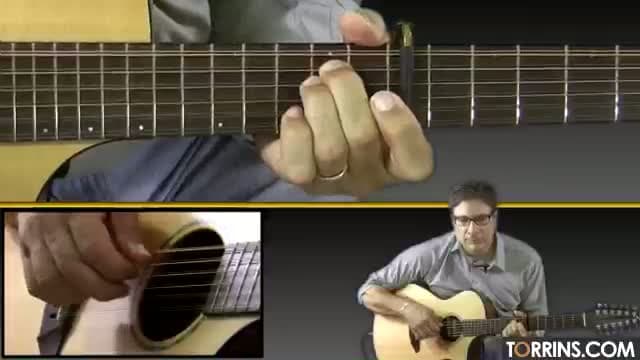
Get ready to learn You Send Me by Sam Cooke with instructor Mike Dugan on Torrins. This lesson covers everything from basic chords and strumming patterns to advanced solo techniques, making it suitable for both beginners and more experienced players. Mike breaks down the song step-by-step, helping you match your vocals with the chords and refine your rhythm for a polished performance.
Fun Fact: This was Sam Cooke’s debut single and it was a glorious debut– it peaked at number 1 position on both Billboard's Rhythm & Blues Records chart and the Billboard Hot 100. It was also named as one of the 500 most important rock and roll recordings by the Rock & Roll Hall of Fame.
Chords and Techniques Used in You Send Me
- Key: The original song is in the key of F for vocals, but Mike moves it to the key of G since it’s easier to follow on the guitar.
- Chords Used:
- G, D or D7, Am, and others
- He explains easy chord transitions and provides alternatives for beginners struggling with barre chords.
- Strumming Pattern:
- For Beginners:
- Use downstrokes, with two strums per chord for the verse.
- The verse uses open chords, with downstrokes on the numbers and upstrokes on the "and" counts.
- Tip: Don’t force the upstrokes—keep them light and natural.
- For Advanced Players:
- Mike demonstrates an advanced rhythm pattern using downstrokes with a triplet feel.
- He explains how to create a smoother, more dynamic strumming effect.
- For Beginners:
Song Structure
- Verse 1 and Verse 2: The two verses follow the same chord pattern and strumming technique. He also teaches how to match your vocals with the chords for a cohesive sound.
- Bridge: The bridge includes barre chords, but Mike teaches open chord alternatives for beginners. He explains the correct positioning for barre chords in detail to help you improve your grip and clarity.
- Solo Section: The solo is in the key of G major. The lead follows the relative minor of G (E minor), using the E minor pentatonic scale. For advanced players, he demonstrates a creative technique that makes the solo sound very close to the original recording.
Why Learn You Send Me?
This lesson not only teaches you how to play the song but also helps you develop better rhythm, improve chord transitions, and explore creative soloing techniques. The mix of beginner-friendly guidance and advanced options makes it a well-rounded learning experience.
Tips to Improve Your Playing
- Start slow with the strumming pattern to build muscle memory.
- Focus on smooth transitions between chords.
- For the solo, practice the E minor pentatonic scale separately before combining it with the backing track.
- Follow along with the tabs provided for a comprehensive learning experience.
FAQs – You Send Me Guitar Lesson
Q1. Is this song suitable for beginners?
Ans: Yes! The lesson includes beginner-friendly chords and strumming patterns, along with alternatives for challenging barre chords.
Q2. What’s the best way to improve my chord transitions?
Ans: Start slowly and focus on switching between two chords at a time before increasing your speed.
Q3. Do I need a capo for this song?
Ans: No capo is required, but you can experiment with different chord voicings to match your vocal range.







Introduction
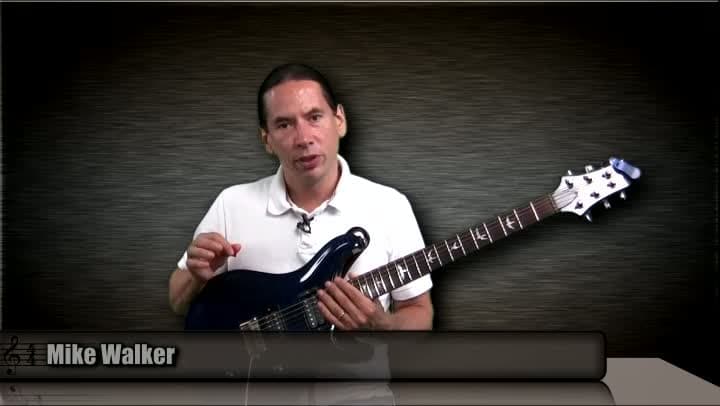
Welcome to the bass lesson for Have You Ever Seen the Rain (Smokie version). Originally written by John Fogerty and released by Creedence Clearwater Revival in 1971, this timeless classic has been covered by many artists, including Smokie on their 1995 album The World and Elsewhere.
This lesson is taught by Mike Walker and is set in the key of C with standard tuning. It’s a straightforward yet expressive song, making it perfect for both beginners looking to sharpen their technique and intermediate players who want to refine their timing and feel.
Lesson Breakdown
Mike takes a step-by-step approach to make learning smooth and approachable.
- Intro: The intro starts with a short, tasteful lick that begins on the G string before moving to the low E. Mike also demonstrates a subtle twist here: taking the 5th of the note lower instead of the usual higher, which adds a unique flavor to the line. This is followed by another short lick, carefully broken down so you can catch every nuance.
- Verse: The verse introduces a light hammer-on lick and moves back and forth between the G and C strings. It also includes a simple but effective walking bass line. Mike explains each step slowly, highlighting when to use chromatic movements and when to hold back, making it very beginner-friendly.
- Chorus: In the chorus, Mike divides the section into smaller movements for easier learning. He also explains how to lock in your groove with the guitar and drums to create a tight rhythm section feel.
- Underneath the Guitar Solos: You’ll also learn what’s happening in the bass line beneath the guitar solos. This part involves a subtle kick-drum-inspired rhythm, moving across the frets using four key chords to keep the groove steady.
Once all the sections are covered, Mike ties it all together by playing the full arrangement along with a backing track. This demo helps reinforce everything you’ve learned and is perfect for practising your transitions smoothly.
If You Like Train, You'll Love These
Introduction
Get ready to master another hit song on Torrins—If It's Love by Train. This moderate-level lesson is taught by Steve Luciano, who breaks down the song into easy-to-follow sections. You'll learn about the chords, strumming patterns, and intricate techniques that make this song so engaging. Steve also shares detailed tips on finger placements and rhythm to help you recreate the authentic feel of the original track.
Fun Fact: If It's Love was written on the same day as Train's hit Hey, Soul Sister in New York City. Pat Monahan wrote it as a love song for the band's long-time fans, thanking them for their unwavering support over the years.
Chords Used in If It's Love
The song is tuned half a step down and features a mix of standard and suspended chords. Some of the key chords used include:
- G triad
- G chord
- Gsus4
- Csus4
- D4
- Dsus/F#
- G/B
Tune in to the lesson to learn the other chords that make up this song. Steve carefully explains the finger placements for these chords, especially complex chords like Dsus/F#, to ensure you get the right tone.
Strumming Pattern
The song starts with a drum section, and Steve demonstrates how to simulate that drum feel using strumming techniques.
- In the beginning, the rhythm follows a 16th note pattern: DUDUDUD
- As the song progresses, the pattern shifts to: DDUUUD
Steve emphasises the importance of keeping your right hand moving to maintain a consistent rhythm. He also explains how to incorporate sliding and arpeggios into your strumming to enhance the song's texture.
Song Structure
If It's Love follows a clear and structured format. Tune in to the lesson to understand the arrangement of the song.
In the beginning, Steve uses just 3–4 chords, making it approachable for most players.
As the song progresses, he introduces more complex chords like Dsus/F#, adding depth to the arrangement
Steve concludes the lesson by playing along with the song, demonstrating smooth transitions between sections.
Improvisation Techniques
For more advanced players, Steve teaches how to improvise over the progression using slides and arpeggios. He also explains how to replicate the original feel of the song by experimenting with the rhythm and strumming intensity.
Why Learn If It's Love?
This song is an excellent way to improve your chord transitions and rhythm skills. It also introduces suspended chords and alternate fingerings, helping you build greater versatility in your playing.
Tips to Control Strumming Intensity:
- Keep the beginning section light with gentle strumming.
- Add more intensity in the chorus by strumming harder and using accents.
- Maintain a steady rhythm throughout the song to keep the groove intact.
FAQs – If It's Love Guitar Lesson
Q1. How can I improve my rhythm and timing?
Practice with the backing track and focus on Steve’s tips for simulating the drum section with your strumming.
Q2. Do I need to tune down my guitar?
Yes, the song is tuned half a step down for an authentic sound.
Q3. How can I handle the suspended chords more smoothly?
Steve suggests specific finger placements and transitions to make switching between suspended chords easier.