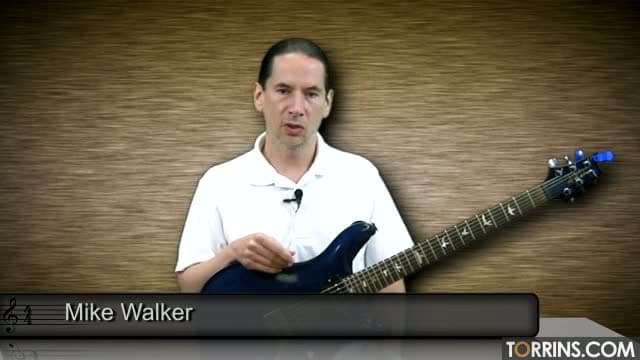
Song Demo
Unlock Full Access to Lyrics & Chords with Torrins Membership
Unlock with premiumUnlock Full Access to Lyrics & Chords with Torrins Membership
Unlock with premiumExplore More in English Songs

Introduction
Tune in to a detailed guitar song lesson on What It’s Like, a single by the American musician, Everlast. This 1998’s release was the lead single from his second studio album called Whitey Ford Sings the Blues.
This guitar song lesson is taught by Mike Walker, an experienced musician and instructor at Torrins. He breaks the lesson down into sections: Introduction, Intro Chord Progression, Verse & Chorus, Arrangement, Interlude, and Outro.
Mike Walker teaches the What It’s Like Song guitar lesson using just 3 chords, two of which are Dm and C. No capo is needed!
Chords Used in What It's Like Guitar Lesson
- This song primarily revolves around three simple chords, making it accessible for players of all levels.
- The strumming pattern follows a DDU rhythm, adding a steady groove.
Strumming & Picking Techniques
The song subtly blends strumming and arpeggiation, giving it a dynamic and textured feel. The intro is centered around a D minor chord, with the occasional addition of Dsus4 to introduce subtle variation. Arpeggiated picking is used here to create a melodic and flowing texture, setting the tone for the rest of the song.
In the verse, the D minor chord continues to anchor the progression, while an arpeggiated riff adds depth and makes it more rhythmic.
Moving into the chorus, the strumming follows a consistent DDU (Down-Down-Up) pattern, repeated four times. On the fourth repetition, however, there’s a variation introduced at the end which is a distinctive 8-note strum pattern that adds energy and creates a pumping, driving effect.
Song Structure & Arrangement
The song builds gradually, with familiar sections repeating and subtle changes keeping things interesting. Here's a simple breakdown of how the song flows:
- Intro: A catchy opening riff sets the mood and is played four times.
- Verse 1: The main melody kicks in and repeats six times, helping you settle into the groove.
- Chorus: This part brings in energy. It’s played four times, with a twist added on the fourth round to keep things fresh.
- Interlude: A gentle picking section gives you a short breather before heading back into the main theme.
- Verse 2: Similar to the first verse, but extended — this time it's played eight times.
- Chorus: Returns with the same pattern, repeated four times.
- Bridge: Feels like a throwback to the intro, but with a longer run — played six times.
- Verse 3: Back again for eight repetitions.
- Final Chorus: Played three times as the song winds down.
- Outro: The song gradually fades out, giving it a smooth ending.
Mike shares a tip for those struggling with Fmaj7? Try leading with your third finger—this helps you get the note covered first, giving you an extra split second to position the rest of your fingers.
Why Learn What It’s Like?
- This lesson covers both strumming and fingerpicking, making it great for building dexterity.
- The song’s structure teaches you how to transition smoothly between sections and add dynamics to your playing.
- This song is a fantastic example of storytelling through music, giving you a chance to add emotion to your performance.
FAQs – What It’s Like Guitar Lesson
- Q1: Is this song beginner-friendly?
- Yes! While the Fmaj7 chord can be tricky, the slow tempo and repetitive structure make it easier to master.
- Q2: How can I improve my arpeggiation?
- Start slow, focus on even picking, and gradually increase speed.
- Q3: Do I need a capo?
- No capo is required for this version.
Fun Fact: The song became Everlast’s biggest solo hit after he left the trio House of Pain and transitioned from rap to a bluesy, acoustic hip-hop style, which was a bold and unexpected move at the time!

Introduction:
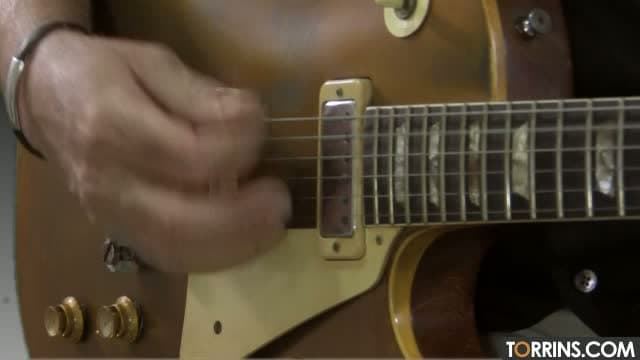
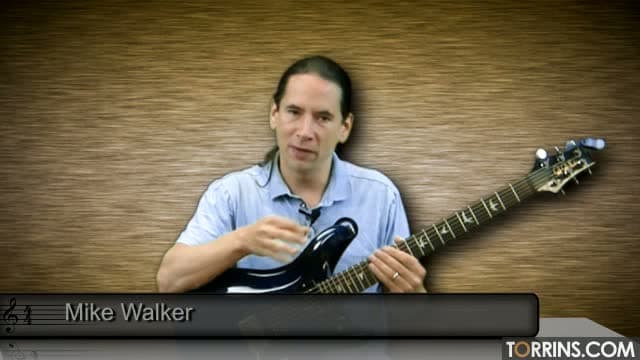
Torrins brings you a classic country guitar lesson—Your Cheatin’ Heart, written and recorded by Hank Williams in 1952. Taught by Mike Dugan, this sing and play lesson breaks down the song into easy-to-follow sections, making it perfect for beginners and experienced players alike. He breaks down the chords, rhythm, and song arrangement of the song.
Fun Fact: Did you know Williams wrote this song while driving from Nashville to Shreveport with his fiancée? After calling his first wife a "cheatin’ heart," the lyrics poured and the entire song was ready within minutes.
Chords & Song Structure
This song follows a standard verse-chorus structure with a bridge in between.
- Key: The song is in the key of C major
- Verse Chords: The verse has three basic open chords. Tune into the lesson to learn them.
- Bridge Chords: Bridge includes chords like F, D7, and others.
Mike carefully breaks down finger positioning, chord transitions, and how the chords are divided across measures. He also provides alternative fingerings to make it easier for beginners.
Do you wish to learn the intricacies of Country Guitar Playing? Check out our detailed lessons to master this style!
Strumming Patterns
This song has a simple and steady strumming style, ideal for both beginners and advanced players.
- Beginner-Friendly Strumming:
- A basic downstrum-only pattern in straight 4s to help new players get comfortable.
- Advanced Strumming Pattern:
- A more dynamic down-up pattern (DDUDDDDUDD) that adds depth and groove. Mike explains the transitions and accents in detail to help you get the authentic country feel.
Sing & Play
If you want to sing while playing, Mike provides a step-by-step breakdown of how the vocals align with the chord changes. He explains:
- How to keep your strumming steady while singing
- Where to place emphasis in both lyrics and chords
- How to build confidence in singing and playing simultaneously
He suggests beginners to start with the basic strumming pattern, and once comfortable, then they can switch to the more advanced rhythm for a fuller sound.
Moreover, you can take advantage of the accompanied lyrics in the song lesson for a comprehensive learning experience.
Why Learn Your Cheatin’ Heart?
- Classic country song that strengthens rhythm guitar skills
- Great for beginners, thanks to simple chords and a steady beat
- Teaches strumming variations, helping you develop better control
- Perfect for sing-alongs, making it a fun addition to your repertoire
FAQs Your Cheatin’ Heart Guitar Lesson
Q1: Is this song beginner-friendly?
Yes! The song uses simple open chords and a steady strumming pattern, making it perfect for beginners.
Q2: What if I struggle with singing and playing at the same time?
Start with basic downstrums to get comfortable. Once you have the rhythm down, gradually add vocals.
Q3: Do I need a capo for this song?
No capo is needed. The song is played in the key of C with open chords.





Similar Metal Songs



Introduction:
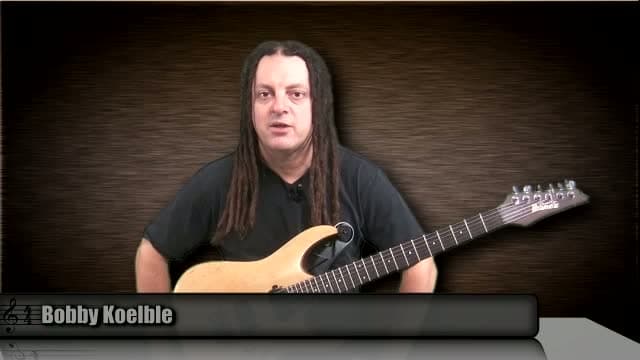
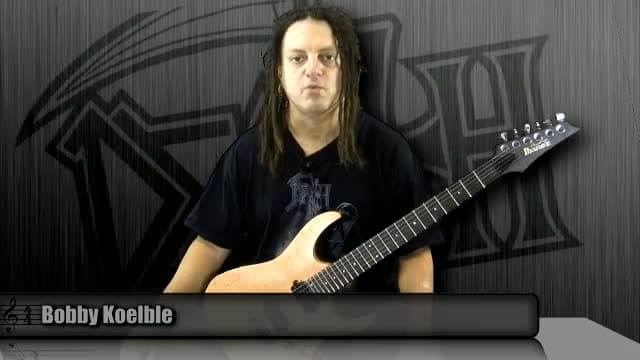
Torrins brings you an in-depth guitar lesson on Zero Tolerance by Death, taught by none other than Bobby Koelble—one of the original guitarists on the track. This lesson dissects the song’s intricate riffs, multiple solos, and unique techniques to help you master this classic death metal piece.
Fun Fact: The title Zero Tolerance was later used for two compilation albums released under Chuck Schuldiner’s name, featuring rare demo material from both Death and Control Denied.
Tuning and Song Structure
- Standard tuning, down a whole step.
- Multiple solos from both Chuck Schuldiner and Bobby Koelble.
- This Lesson is structured into key sections: Introduction, Intro Riff, Solo-1 (Chuck), Chorus, Bridge, Main Solos (Chuck & Bobby), Solo 2 (Bobby), Song Demo, and Final Note on Chorus.
- Make sure to use the provided chords and tabs to follow along!
Breaking Down the Song
Intro Riff
- Mostly in the key of E minor.
- Straightforward riff featuring power chords, including low E power chords.
- Incorporates muted string techniques for a tight and punchy sound.
First Solo (Chuck Schuldiner)
- Simple power chord progression in the background, one of which is C.
- Features an E minor major 7 arpeggio.
- Chuck was known for focusing on feel rather than strict technical terms—tune into the lesson for an in-depth breakdown!
Chorus
- Includes a riff and a melody.
- Has a slow tempo (for a Death song), making it one of the easier riffs to play.
- Features low E power chords, single notes, and palm-muted sections, along with other chords.
Bridge
- A relatively easy section featuring some power chords and palm-muted notes.
- Watch the lesson to master the additional chords!
Main Solo (Chuck Schuldiner)
- Opens with a harmonized melodic lick up the 3rd.
- Uses the A harmonic minor scale.
- Bobby shares valuable insights on writing melodic solos—a must-watch for aspiring songwriters.
Main Solo (Bobby Koelble)
- Played in F# minor.
- Starts with an introductory lick harmonized up a 5th, then shifts to a minor 3rd harmony.
- Solo is broken down into multiple digestible sections for easy learning.
Solo 2 (Bobby Koelble)
- A short but technical solo occurring between the verse and chorus.
- Starts with a C note and a tapped harmonic.
- This section covers artificial harmonics.
Final Note on Chorus
- Discusses the background chords heard in the final chorus.
- Bobby teaches unique finger positioning techniques to recreate the exact sound.
Song Demo & Summary
To wrap it all up, Bobby plays the full song with a backing track, demonstrating how all the sections come together.
Why Learn Zero Tolerance?
- Learn palm muting, power chord progressions, and harmonized melodies.
- Master multiple solo styles, from Chuck’s emotive phrasing to Bobby’s technical intricacies.
- Get valuable songwriting and soloing insights from an original artist of the song.
FAQs – Zero Tolerance Guitar Lesson
Q1. Is this lesson beginner-friendly?
- This lesson leans more towards intermediate to advanced players.
Q2. How can I improve my palm muting technique?
- Focus on muting with the side of your palm near the bridge while maintaining a tight, controlled attack.
Q3. Are tabs provided for the lesson?
- Yes! The chords and tabs included will help you nail every section.

Introduction:
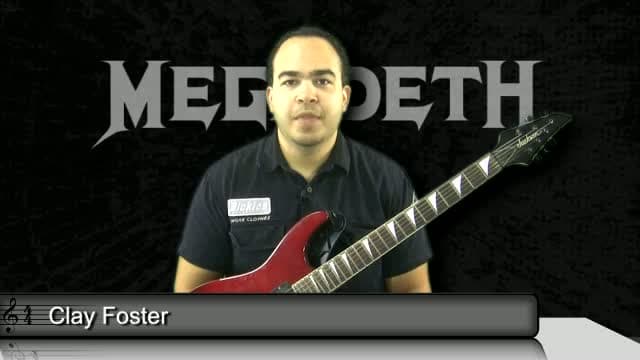
Torrins brings you an electrifying guitar lesson—Symphony of Destruction by Megadeth, taught by Clay Foster. This heavy-hitting metal track is part of our guitar song lesson series and is broken down into easy-to-follow sections.
Fun Fact: In an interview, vocalist Dave Mustaine shared that the lyrics for Symphony of Destruction were sparked by a headache he got while driving home. He scribbled the first lines on the back of a sushi receipt—“My metal brain’s corroding, my head is going to explode.” That spontaneous moment led to one of Megadeth’s most iconic songs, recorded on their fifth studio album Countdown to Extinction in 1992.
Song Arrangement
The song is taught in separate segments so you can master each part before moving to the next.
The song is in the key of E.
Verse
Verse is built around the F power chord and an open E power chord, along with other chords.
Downstrokes and palm muting are used in the verse—make sure to mute the strings to avoid letting notes ring out too long. Clay shares techniques like using your thumb or extra fingers to stop the sound cleanly.
Pre-Chorus
Features open palm muting and chromatic downs, creating that tight, chugging rhythm. Our lessons have a 3-angle video setup so you can clearly see hand positions and copy along easily.
Chorus
This section opens up with ringing E chords and a chromatic descending run. Chords like Bb, G#, and the D power chord makes the chorus sound more intense. Though it’s slightly more complex than the verse, Clay carefully breaks down the finger positioning and covers some fingerpicking techniques to help you through it.
After the first chorus, the main riff returns and leads into the second verse and pre-chorus, just like earlier.
The second chorus is a bit longer. The first half mirrors the first chorus, while the second half introduces new elements. Clay walks you through the difference so you can follow along confidently.
Solo Lesson
Clay breaks down the guitar solo into manageable sections.
- The first part has a bluesy riff with vibrato, bending, and palm muting.
- The second part is a 16-note rhythmic figure built around the Am6 chord, featuring some sliding techniques.
- Tune into the lesson to learn each section in detail and pick up essential phrasing skills along the way.
Sound and Tone
To capture the song’s feel, Clay dives into the tone settings. The tone is mid-rangy, which is a signature sound of Marty Friedman. Clay recommends listening to some of Friedman’s work to understand the sweet, expressive tone he’s known for.
For gear settings, Clay suggests using the middle pickup to replicate that tone more accurately.
Song Demo
The lesson wraps up with a full song demo, where Clay ties everything together. You can play along with him to practice transitions, polish your technique, and check your accuracy in real time.
FAQs – Symphony of Destruction Guitar Lesson
Q1: Is this song beginner-friendly?
Yes. While it has a few technical sections, the lesson breaks everything down clearly and provides enough guidance for newer players.
Q2: Do I need specific gear for the tone?
Clay suggests using a mid-range-focused setting with the middle pickup to get closer to Marty Friedman's tone. However, you can start with what you have and tweak as needed.
Q3: Is the solo hard to learn?
It’s approachable when broken into parts. Clay walks you through each phrase, so with some practice, you’ll be able to nail it.