Unlock Full Access to Lyrics & Chords with Torrins Membership
Unlock with premiumNo Description Available
Unlock Full Access to Lyrics & Chords with Torrins Membership
Unlock with premiumExplore More in English Songs


Introduction
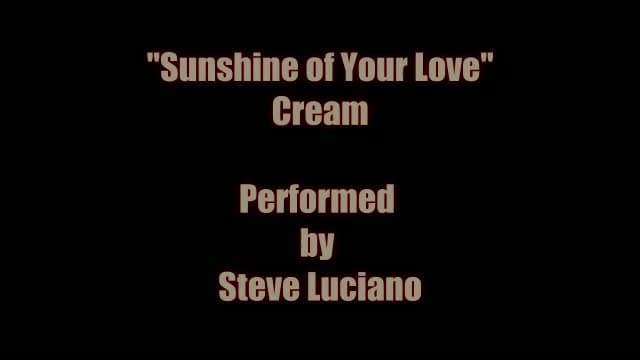
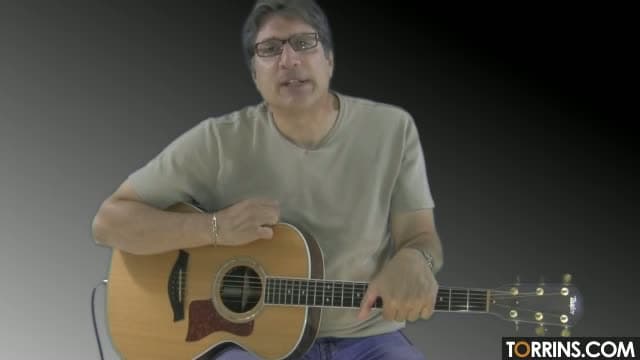
Do you want to learn a classic blues rock song—one that almost everyone has heard and can get anyone grooving? You’re exactly where you need to be. Tune into the guitar lesson for Cream’s Sunshine of Your Love on Torrins.com, led by our expert tutor Steve Luciano.
He breaks down this song into Introduction, Chords, Rhythm, and shares great tips on everything from finger positioning to chord transitions, to ensure a smooth learning journey. You can also find tabs and lyrics for this song, along with the guitar tutorial.
Chords Used in Sunshine of Your Love Song Tutorial
Verse & Chorus Chords: Power Chords
This song heavily relies on 5th root power chords (two-note chords made of the root note and its fifth), making it a must-learn for mastering chord transitions and control. Some of the chords used in this lesson are D, C, and Ab.
Mastering these chord transitions will significantly improve your power chord fluency.
Strumming & Rhythm Pattern
The rhythm alternates between a DDD pattern and a DUD pattern, giving the song its signature groove.
Song Structure
Sunshine of Your Love follows a 24-measure form, making it an excellent song for developing rhythm consistency and smooth chord shifts.
- The intro starts with a power chord on the 6th string
- A few measures later, the riff transitions to the 5th string (Make sure the 6th string is muted!)
- The position changes again as the song progresses
Steve also points out parts of the song where he uses string bending. It’s a technique that adds emotion and character to notes, often giving the song a signature bluesy rock vibe.
Why Learn Sunshine of Your Love Song on Guitar?
Learning how to play this song on guitar helps you master techniques like string bending and gain fluency over power chords. Learning these techniques helps you add expressive dynamics to your playing, and power chords are essential for classic rock and blues.
Sunshine of Your Love is a perfect song to add to your repertoire if you wish to develop better finger positioning & control and enhance your rhythm skills with a structured song.
FAQs – Sunshine of Your Love Guitar Lesson
Q1: Can I learn the song Sunshine of Your Love on guitar without tabs and lyrics?
Sure, it’s possible — but why make it harder than it needs to be? The tabs and lyrics included in our tutorial are there to guide you through the structure, chord changes, and timing. Especially if you're still building confidence, they’ll save you hours of trial and error.
Q2: What techniques will this lesson help me improve?
This lesson is a goldmine for anyone looking to tighten their rhythm and power chord game. You'll get hands-on with strumming patterns, chord transitions, and some expressive string bending — all crucial techniques if you're aiming to play blues or classic rock with the right attitude and feel.
Fun Fact: The iconic riff of Sunshine of Your Love was directly inspired by Jimi Hendrix! After witnessing Hendrix's electrifying performance at London’s Saville Theatre on January 29, 1967, Cream’s bassist Jack Bruce went home and came up with the song’s signature riff that same night, and then the song was written on top of it. Guitarist Eric Clapton later described it as a tribute to Hendrix’s incredible playing.





Introduction
Learn the famous “I Shot the Sheriff” on Torrins, led by our expert instructor Steve Luciano, who has decades of experience playing and teaching guitar. “I Shot the Sheriff” is originally a reggae song written by Bob Marley and released in 1973 with his band, The Wailers. However, you'll be playing Eric Clapton’s version of this song with Steve on Torrins.com. Eric recorded his cover in 1974 for his album 461 Ocean Boulevard. His performance of the song adds soft rock to the reggae sound, giving it a unique feel.
The difficulty level of this guitar lesson ranges from beginner to intermediate and breaks down the chords, rhythm, structure, and strumming pattern in a simple yet engaging way! So, tune in and unfold the magic of this hit cover!
Steve Luciano teaches the I Shot The Sheriff Song guitar lesson using 4 movable chords: Gm, Cm, Eb, and Dm. No capo is needed!
Chords Used in I Shot the Sheriff Guitar Lesson
This song is played using movable chords, which are common in reggae music.
Chords used: Gm, Cm, Eb, Dm
Steve teaches essential finger positioning and movement techniques to help make chord transitions smoother. He also demonstrates how to lighten finger pressure to achieve the signature reggae "deadening" effect on the strings.
Strumming Pattern
Pattern: D-U-D-U
- Like other reggae songs, this one emphasizes playing on the downbeat but feeling the upbeat to capture its groove.
- It’s good if you practice the chords first before adding rhythm, as some transitions can be tricky.
Song Structure
This song follows a verse-chorus format:
- Verse: The beginning of the song primarily uses Gm and Cm chords.
- Chorus: Introduces the Eb chord, which can be challenging for some players. Steve demonstrates easier ways to play Eb, particularly for those with larger fingers.
- The chorus chord progression repeats five times.
- At the end of the chorus, there's a signature single-note tag based on the Gm pentatonic scale. This lick is played each time the chorus ends.
Improvisation Techniques
- The song features a signature lick at the end of the chorus, based on the Gm pentatonic scale. Steve breaks down how to play the notes smoothly to maintain the song’s groove.
Why Learn I Shot the Sheriff on Guitar?
- Learning this song can help you master movable chord shapes commonly used in reggae.
- It will also help you improve reggae-style strumming and chord muting techniques.
- Additionally, it provides insight into lead guitar phrasing with the signature pentatonic lick.
Tips for Playing the Song Smoothly
- Practice chord transitions first before adding strumming.
- Loosen your grip to achieve the proper reggae deadening effect.
- Feel the upbeat while strumming for an authentic reggae sound.
FAQs – I Shot the Sheriff Guitar Lesson
Q1. Is this song beginner-friendly?
A: It’s suitable for intermediate players, as it uses movable chords, which may be challenging for beginners.
Q2. What if I struggle with the Eb chord?
A: Steve demonstrates easier alternatives for players who find it difficult, especially those with larger fingers.
Fun Fact: “I Shot the Sheriff” was originally a spiritual metaphor for birth control, though Bob Marley never revealed which lyrics were true. Eric Clapton’s 1974 cover became a massive hit, introducing Marley’s music to rock audiences worldwide. While Marley was happy with the cover, he was frustrated that the song was widely misinterpreted as an anthem against injustice and corruption rather than its original meaning.
Similar Metal Songs



Introduction:
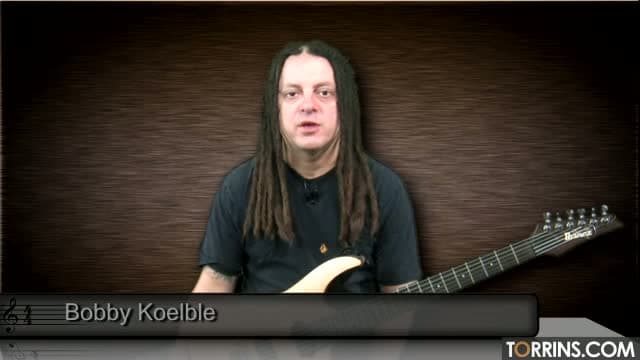
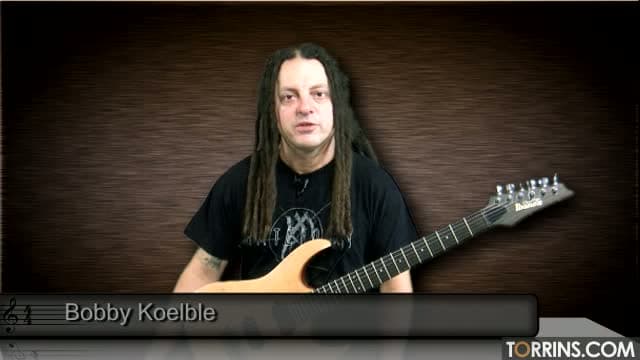
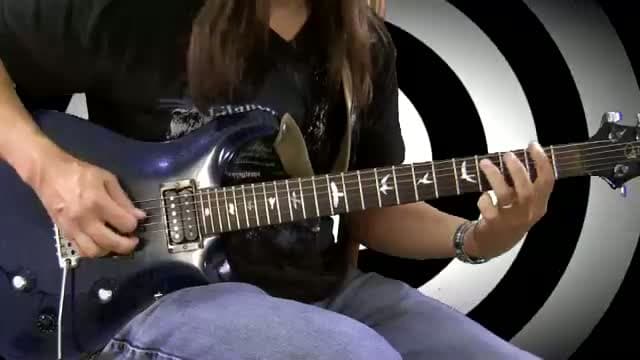
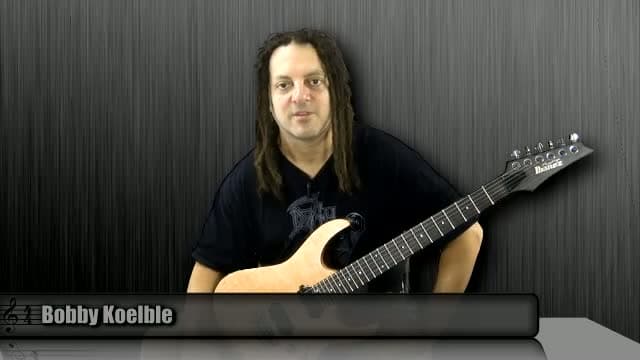
Torrins brings you another electrifying guitar lesson "Crystal Mountain by Death", taught by none other than Bobby Koelble, one of the original guitarists on the track. This lesson breaks down the intricate riffs, solos, and powerful progressions that make this song a metal masterpiece.
Fun Fact: Crystal Mountain was inspired by Chuck Schuldiner’s real-life experiences with his not-so-friendly next-door neighbour. Their unpleasant interactions fueled the aggression and emotion behind this legendary track!
Tuning & Gear
- Tuning: Standard tuning down a whole step.
- Use the provided tabs for a more comprehensive learning experience.
Song Breakdown
This lesson is structured into multiple sections to make learning seamless:
- Introduction
- Intro Riff
- Verse
- Chorus
- Bridge
- Solo-Tapping Section
- Main Solo
- Acoustic Solo
- Song Demo (Chuck’s Part)
- Song Demo (Bobby’s Part)
- Full Song Demo (Combining All Parts)
Chords & Riffs in Crystal Mountain
Intro Riff
- The first 8 bars feature power chords like E, Bb, and F, with vibrato. Tune in to the lesson to learn the rest of the chords.
- The second half of the intro is harmonised down a perfect 5th.
- Scale: E Harmonic Minor.
Verse
- The Am chord is played with a variation in arpeggio.
- Includes F power chords and some single notes, along with other chords.
- Heavy distortion is used to achieve that signature Death sound.
Chorus
- Chorus features single notes and an active midsection involving the open 5th string.
- Chuck Schuldiner added an intricate melody over the chorus section. Bobby walks you through this in detail.
Bridge
- It begins with power chords in the rhythm track.
- It is layered with harmonised single-note phrases on top
Solo Sections
Tapping Solo
- This solo features harmonised tapping licks at the 12th fret.
Main Solo
- Chuck’s solo—short but iconic.
- It is in the key of G# minor.
- Uses triplets and expressive vibrato.
Acoustic Solo
- An acoustic solo is a rare touch in a Death song! Bobby demonstrates 4 simple acoustic licks to round off the song.
Final Song Demo
After breaking down every section, Bobby dedicates three lessons to the song demo:
- Chuck’s part
- His own part
- The full song, combining all elements
Why Learn Crystal Mountain?
- Learning this song will help you master intricate picking techniques.
- It will also help you understand harmonised riffs and solos.
- It will expand your knowledge of scales and metal phrasing.
FAQs – Crystal Mountain Guitar Lesson
Q1. Is this lesson suitable for beginners?
A: This lesson is best suited for intermediate to advanced players because of its complex chords and solos.
Q2. What is the most challenging part of the song?
A: The solo-tapping section and harmonised melodies require precise technique and practice.
Q3. Can I play this without tuning down?
A: Yes, you can, but tuning down a whole step helps achieve the authentic Death sound.