Solo Lesson
Summer of 69
Introduction
Song Arrangement
Song Demo
Overdub Section
Solo Lesson
Unlock Full Access to Lyrics & Chords with Torrins Membership
Unlock with premiumSummer of 69
Introduction
Song Arrangement
Song Demo
Overdub Section
Solo Lesson
Unlock Full Access to Lyrics & Chords with Torrins Membership
Unlock with premiumExplore More in English Songs





Similar Pop Songs
Introduction:
Get ready to learn You Send Me by Sam Cooke with instructor Mike Dugan on Torrins. This lesson covers everything from basic chords and strumming patterns to advanced solo techniques, making it suitable for both beginners and more experienced players. Mike breaks down the song step-by-step, helping you match your vocals with the chords and refine your rhythm for a polished performance.
Fun Fact: This was Sam Cooke’s debut single and it was a glorious debut– it peaked at number 1 position on both Billboard's Rhythm & Blues Records chart and the Billboard Hot 100. It was also named as one of the 500 most important rock and roll recordings by the Rock & Roll Hall of Fame.
Chords and Techniques Used in You Send Me
- Key: The original song is in the key of F for vocals, but Mike moves it to the key of G since it’s easier to follow on the guitar.
- Chords Used:
- G, D or D7, Am, and others
- He explains easy chord transitions and provides alternatives for beginners struggling with barre chords.
- Strumming Pattern:
- For Beginners:
- Use downstrokes, with two strums per chord for the verse.
- The verse uses open chords, with downstrokes on the numbers and upstrokes on the "and" counts.
- Tip: Don’t force the upstrokes—keep them light and natural.
- For Advanced Players:
- Mike demonstrates an advanced rhythm pattern using downstrokes with a triplet feel.
- He explains how to create a smoother, more dynamic strumming effect.
- For Beginners:
Song Structure
- Verse 1 and Verse 2: The two verses follow the same chord pattern and strumming technique. He also teaches how to match your vocals with the chords for a cohesive sound.
- Bridge: The bridge includes barre chords, but Mike teaches open chord alternatives for beginners. He explains the correct positioning for barre chords in detail to help you improve your grip and clarity.
- Solo Section: The solo is in the key of G major. The lead follows the relative minor of G (E minor), using the E minor pentatonic scale. For advanced players, he demonstrates a creative technique that makes the solo sound very close to the original recording.
Why Learn You Send Me?
This lesson not only teaches you how to play the song but also helps you develop better rhythm, improve chord transitions, and explore creative soloing techniques. The mix of beginner-friendly guidance and advanced options makes it a well-rounded learning experience.
Tips to Improve Your Playing
- Start slow with the strumming pattern to build muscle memory.
- Focus on smooth transitions between chords.
- For the solo, practice the E minor pentatonic scale separately before combining it with the backing track.
- Follow along with the tabs provided for a comprehensive learning experience.
FAQs – You Send Me Guitar Lesson
Q1. Is this song suitable for beginners?
Ans: Yes! The lesson includes beginner-friendly chords and strumming patterns, along with alternatives for challenging barre chords.
Q2. What’s the best way to improve my chord transitions?
Ans: Start slowly and focus on switching between two chords at a time before increasing your speed.
Q3. Do I need a capo for this song?
Ans: No capo is required, but you can experiment with different chord voicings to match your vocal range.




If You Like Bryan Adams, You'll Love These
Introduction:
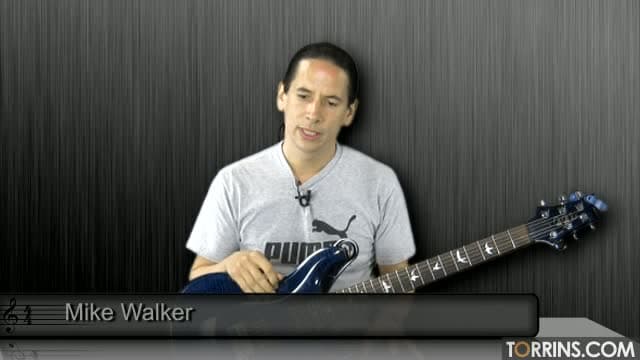
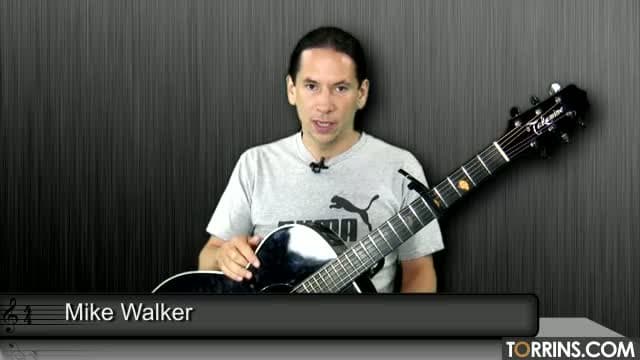
Torrins brings you one of the most legendary rock riffs ever recorded-Smoke on the Water by Deep Purple, taught by Mike Walker. This guitar lesson is designed to break down the song step by step, covering everything from the iconic riff to solo improvisation. Whether you’re picking up the electric guitar for the first time or looking to level up your playing, this one’s a must-learn.
Fun Fact: Although the song appeared on Machine Head in 1972, it wasn’t released as a single until 1973. Surprisingly, the band didn’t expect it to be a hit. But it climbed to number 4 on the Billboard pop charts and became one of the most recognizable riffs in rock history.
Chords and Song Key
This lesson is taught in the key of B♭, but the song carries a G minor feel throughout. You’ll be using a few essential power chords like G5, A♭5, and others as you move through the sections.
The song’s time signature is 4/4, with a tempo of 112 BPM. Two main scales are used across the lesson: the G minor scale and the G blues pentatonic, both of which are central to the solo and improvisation parts.
Iconic Intro Riff
It’s the riff that every guitarist wants to play and for good reason. Mike breaks it down clearly, explaining which strings to let ring and how to get that gritty rock tone. He demonstrates both fingerpicking and pick-style playing, so you can choose the approach that suits you best.
Verse and Chorus Sections
In the verse, you’ll be working with a group of three chords, using arpeggios and palm muting to add texture. The phrasing follows a clean 4-bar structure, making it easy to follow.
The chorus section also relies on arpeggios. Mike walks through each measure in detail, grouping chords and explaining the rhythm so you can play with ease and confidence.
Rhythm Underneath the Solo
For the rhythm guitar players, Mike breaks down the part that supports the solo section. This part mostly uses just two chords, but involves some precise fingerpicking techniques to maintain the groove and drive.
Solo Lesson
Mike takes you through the solo lick by lick, staying in the G minor scale. He explores techniques like vibrato to add feel and energy. It’s a great way to learn how to play expressively.
Solo Demo and Improvisation
Once the solo is broken down, Mike ties everything together with a full solo demo played along with a backing track. Then comes the fun part, improvisation. He shares how to use:
- G minor and G pentatonic scales
- G pentatonic with a flat 5
- Phrasing on the 15th fret
You’ll also pick up a few stylistic ideas inspired by Jon Lord’s playing style, which adds a cool, classic-rock flavor to your soloing.
Why Learn - Smoke on the Water?
- One of the most famous riffs in rock history
- Teaches you both rhythm and lead techniques
- A solid introduction to rock improvisation
- Perfect for building confidence on the electric guitar
FAQs – Smoke on the Water Guitar Lesson
Q1. Is this song beginner-friendly?
Yes, and Mike simplifies each section so it’s approachable even if you’re just getting started.
Q2. Do I need an electric guitar?
It’s recommended, as this song is designed with electric tone and expression in mind.
Q3. Can I play the riff with a pick?
Absolutely. Mike shows both finger and pick methods—you can choose what feels right.