No Description Available
Explore More in English Songs
Introduction
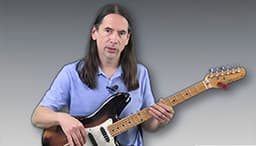
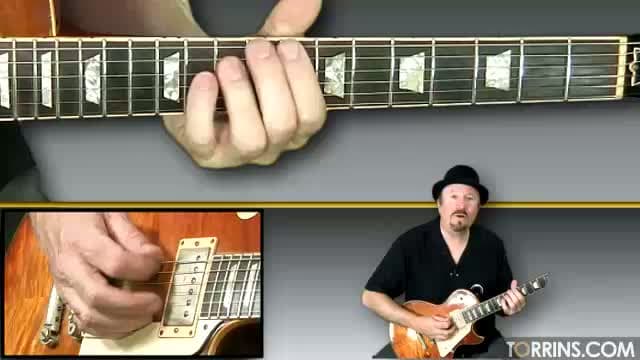
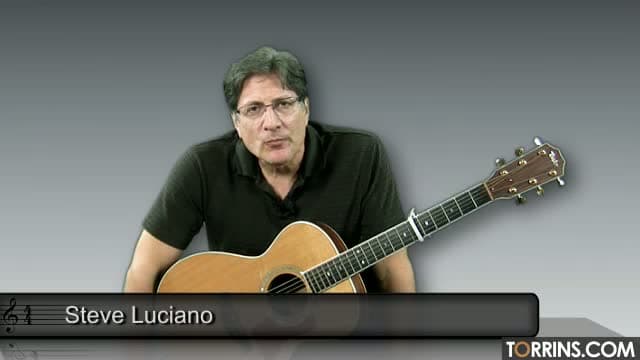
Do you want to learn a classic blues rock song—one that almost everyone has heard and can get anyone grooving? You’re exactly where you need to be. Tune into the guitar lesson for Cream’s Sunshine of Your Love on Torrins.com, led by our expert tutor Steve Luciano.
He breaks down this song into Introduction, Chords, Rhythm, and shares great tips on everything from finger positioning to chord transitions, to ensure a smooth learning journey. You can also find tabs and lyrics for this song, along with the guitar tutorial.
Chords Used in Sunshine of Your Love Song Tutorial
Verse & Chorus Chords: Power Chords
This song heavily relies on 5th root power chords (two-note chords made of the root note and its fifth), making it a must-learn for mastering chord transitions and control. Some of the chords used in this lesson are D, C, and Ab.
Mastering these chord transitions will significantly improve your power chord fluency.
Strumming & Rhythm Pattern
The rhythm alternates between a DDD pattern and a DUD pattern, giving the song its signature groove.
Song Structure
Sunshine of Your Love follows a 24-measure form, making it an excellent song for developing rhythm consistency and smooth chord shifts.
- The intro starts with a power chord on the 6th string
- A few measures later, the riff transitions to the 5th string (Make sure the 6th string is muted!)
- The position changes again as the song progresses
Steve also points out parts of the song where he uses string bending. It’s a technique that adds emotion and character to notes, often giving the song a signature bluesy rock vibe.
Why Learn Sunshine of Your Love Song on Guitar?
Learning how to play this song on guitar helps you master techniques like string bending and gain fluency over power chords. Learning these techniques helps you add expressive dynamics to your playing, and power chords are essential for classic rock and blues.
Sunshine of Your Love is a perfect song to add to your repertoire if you wish to develop better finger positioning & control and enhance your rhythm skills with a structured song.
FAQs – Sunshine of Your Love Guitar Lesson
Q1: Can I learn the song Sunshine of Your Love on guitar without tabs and lyrics?
Sure, it’s possible — but why make it harder than it needs to be? The tabs and lyrics included in our tutorial are there to guide you through the structure, chord changes, and timing. Especially if you're still building confidence, they’ll save you hours of trial and error.
Q2: What techniques will this lesson help me improve?
This lesson is a goldmine for anyone looking to tighten their rhythm and power chord game. You'll get hands-on with strumming patterns, chord transitions, and some expressive string bending — all crucial techniques if you're aiming to play blues or classic rock with the right attitude and feel.
Fun Fact: The iconic riff of Sunshine of Your Love was directly inspired by Jimi Hendrix! After witnessing Hendrix's electrifying performance at London’s Saville Theatre on January 29, 1967, Cream’s bassist Jack Bruce went home and came up with the song’s signature riff that same night, and then the song was written on top of it. Guitarist Eric Clapton later described it as a tribute to Hendrix’s incredible playing.
Introduction:
Torrins brings you an exciting guitar lesson "Wonderwall" by Oasis, taught by Mike McQuinn. This timeless classic is a must-learn for any guitarist, helping you master chord variations, strumming patterns, and how to play and sing simultaneously. Mike breaks down this song lesson into multiple lessons for easy learning - Introduction, Chords and Strumming, Sing and Play and Song Demo.
Fun Fact: In October 2020, "Wonderwall" became the first song from the 1990s to surpass one billion streams on Spotify. Today, it ranks as the second most-streamed song from that decade, following Nirvana's "Smells Like Teen Spirit”.
Chords Used in Wonderwall Guitar Lesson: The song is built around five essential chord patterns, which you’ll learn in detail in the song lesson. Some of the chords that make up this song are: G, Em7, Dsus4, A7Sus4, Cadd9. Tune in to the lesson to learn the rest.
One chord pattern includes a walk-down pattern for smooth transitions.
All chords are played with a capo on the 2nd fret
Strumming Pattern The primary strumming pattern is:
- DDUDUDDUDUDD (Repeats UDUDD three times and ends with UD)
- An alternate strumming pattern is used in the walk-down chord section—learn the difference in the lesson!
Song Structure & Breakdown This lesson is divided into multiple sections for easy learning:
- Introduction: This section has an overview of the lesson structure and key techniques.
- Chords & Strumming: This section includes all the chords used in this song, and Mike shares the five essential chord patterns that make up this song. He demonstrates how to transition smoothly. The song finishes with a repetitive lead part—Mike explains how to master it effortlessly. He shares tips to master the rhythm of the song.
- Sing & Play: Mike teaches how to coordinate vocals with guitar playing, gearing you up for jamming sessions!
- Song Demo: The song lesson ends with a full demonstration of the song to tie everything together.
Tip: Follow along with the Tabs provided with the song lesson for quick and effective learning.
Why Learn Wonderwall?
- Learning this song will help you improve chord transition and variation skills.
- It will also help you master rhythm consistency with its distinct strumming pattern.
- It will enhance your ability to play and sing simultaneously.
FAQs – Wonderwall Guitar Lesson
Q1. Is this song beginner-friendly?
Ans- Yes! The chords are slight variations to basic chords and are used repetitively, making it a great song for all skill levels.
Q2. Do I need a capo?
Ans- Yes, the song is played with a capo on the 2nd fret to match the original key.
Q3. How do I improve my strumming for this song?
Ans- Focus on maintaining a relaxed wrist and practice the primary strumming pattern slowly before speeding up.
Introduction:
Torrins brings you another heartfelt guitar song lesson I Will Be Here by Steven Curtis Chapman, taught by J.J. Pattishall. This lesson focuses on fingerpicking, chord transitions, and rhythm techniques, making it a great song to develop both your picking accuracy and emotional expression.
Interesting Fact: This song carries deep personal meaning. Chapman wrote it as a promise to his wife during a difficult time when his parents were going through a divorce. It became one of his most beloved songs, offering reassurance and commitment through its lyrics and melody.
Chords & Song Structure
This lesson breaks the song into easy-to-follow sections: Intro & Verse, Chorus, Bridge, Song Demo, Rhythm, and Sing & Play.
Capo is on the 1st fret
Key used is D (relative to capo), actual tuning is Eb
Chords Used:
- Intro & Verse: Dsus2, A7sus4, Bm (a barre chord), Em7, and others
- Chorus: Bm/A, A/G, D/F#, and more
- Bridge: Includes a diminished chord and a piano/instrumental section
J.J. shares some alternatives for the difficult chords such as barre chords.
The chords are arpeggiated, giving the song its signature flow. J.J. carefully explains finger placement and picking techniques to help you achieve the song’s delicate feel.
Fingerpicking & Rhythm Patterns
This song features a beautiful fingerpicking pattern. J.J. breaks it down in detail, ensuring that even beginners can grasp the technique.
For those who find fingerpicking challenging, he also introduces two basic rhythm patterns as an alternative:
- DDUDDUDDUD – A straightforward strumming pattern
- DDUUDDDUUD – Adds syncopation for a more dynamic feel
Verse, Chorus & Bridge Breakdown
- Intro & Verse: J.J. carefully walks through the arpeggiated chords and explains how to maintain a steady rhythm. He also shares a technique to create a flowing fingerpicking style.
- Chorus: The transitions between chords like Bm/A, F#, A/G, and D/F# are broken down step by step. He highlights turnarounds, ensuring smooth movement between sections.
- Bridge: Features a diminished chord, adding tension and resolution to the song. J.J. also explains the piano and instrumental section.
Sing & Play – Coordinating Vocals & Guitar
This lesson doesn’t just teach you how to play the guitar part—it also helps you combine playing with singing. J.J. explains:
- How to sync your strumming or fingerpicking with the lyrics
- Phrasing techniques to match the melody with chord changes
- How to make the song your own while staying true to its essence
Final Song Demo & Play-Along
To bring everything together, J.J. performs the song with a backing track, reinforcing all the techniques covered in the lesson. This play-along section lets you practice along and refine your timing and transitions.
Why Learn I Will Be Here?
- Develops fingerpicking skills – great for improving coordination and technique
- Enhances chord transitions – teaches smooth movement between complex shapes
FAQs – I Will Be Here Guitar Lesson
Q1: Is this lesson beginner-friendly?
Yes! While the fingerpicking and chord shapes may seem tricky at first, J.J. provides simplified alternatives and a step-by-step breakdown.
Q2: Can I strum instead of fingerpick?
Absolutely. J.J. introduces two strumming patterns for those who prefer a rhythmic approach.
Q3: Do I need a capo?
Yes, place the capo on the 1st fret to match the song’s key.