Solo Part 1
Introduction:
Top Gun Anthem is one of the iconic instrumental rock compositions in Hollywood which was composed for the movie in 1986 by Harold Faltermeyer and Steve Stevens. This song has some strong, melodic guitar-driven tracks which every guitarist no matter if they are beginner, intermediate or expert must learn to play.
Chords Used in Song Guitar Lesson
Arpeggios Verse & Chorus Chords: This song revolves around the lead guitar instrumental. But if you do want to learn about the arpeggios, then here’s how you should be playing them:
e|-----------0------------|
B|------1------1---------|
G|----0---0------0------|
D|-------------2--------|
A|--3------------------|
E|----------------------|
Strumming Pattern
The strumming pattern of the song is as follows: D D U U D U.
- D = Down strum
- U = Up strum
Song Structure
Introduction: In this introduction your guitar instructor Mike Walker is going to teach you how to tune up a guitar for this song.
Song Arrangement Part 1: This particular section will show you how to play the melody part of the song and how you should be counting the bells which are present in the song to keep up with tune.
Song Arrangement Part 2: Here, you will be learning the next part of the song.
Song Demo: Here, Mike will show you how to play the entire song on guitar while keeping up with the backing track.
Solo Part 1: In this part Mike will show you how to play the guitar solo which comes at 2:45 minutes on the track. He breaks down this guitar solo in 9 licks.
Solo Part 2: This is the second part of the guitar solo, and it starts with lick number 6.
Solo with Backing Track: Again, Mike plays the demo but this time specifically the solo part alongside the backtrack.
Why Learn Top Gun Anthem Song?
The song has a beautiful, soaring lead guitar part which is easily recognisable when you play it. If you don’t know how to play the viberto, bends, and sustain control on your chord play then this song will teach you how to do it.
Furthermore, it will help in improving your picking accuracy, sustain and phrasing and introduces you to dynamic control which is necessary if you want to master emotional guitar playing.
FAQs – This Song Guitar Lesson
Q1. Who played the Top Gun Anthem?
Ans. Steve Stevens is the man who composed Top Gun Anthem, the song was written by Harold Faltermeyer. Steve played guitar and Faltermeyer played the keyboard during the recording of the song.
Q2. Which song did Tom Cruise play when he was in the bar?
Ans. In 1986, Top Gun Tom Cruise played “You’ve Lost That Lovin’ Feeling.” Tom played this song, and other members of the Navy pilots joined in the movie scene.
Fun Fact: Top Gun Anthem won the 1987 Grammy Award for Best Pop Instrumental Performance
Introduction:
Top Gun Anthem is one of the iconic instrumental rock compositions in Hollywood which was composed for the movie in 1986 by Harold Faltermeyer and Steve Stevens. This song has some strong, melodic guitar-driven tracks which every guitarist no matter if they are beginner, intermediate or expert must learn to play.
Chords Used in Song Guitar Lesson
Arpeggios Verse & Chorus Chords: This song revolves around the lead guitar instrumental. But if you do want to learn about the arpeggios, then here’s how you should be playing them:
e|-----------0------------|
B|------1------1---------|
G|----0---0------0------|
D|-------------2--------|
A|--3------------------|
E|----------------------|
Strumming Pattern
The strumming pattern of the song is as follows: D D U U D U.
- D = Down strum
- U = Up strum
Song Structure
Introduction: In this introduction your guitar instructor Mike Walker is going to teach you how to tune up a guitar for this song.
Song Arrangement Part 1: This particular section will show you how to play the melody part of the song and how you should be counting the bells which are present in the song to keep up with tune.
Song Arrangement Part 2: Here, you will be learning the next part of the song.
Song Demo: Here, Mike will show you how to play the entire song on guitar while keeping up with the backing track.
Solo Part 1: In this part Mike will show you how to play the guitar solo which comes at 2:45 minutes on the track. He breaks down this guitar solo in 9 licks.
Solo Part 2: This is the second part of the guitar solo, and it starts with lick number 6.
Solo with Backing Track: Again, Mike plays the demo but this time specifically the solo part alongside the backtrack.
Why Learn Top Gun Anthem Song?
The song has a beautiful, soaring lead guitar part which is easily recognisable when you play it. If you don’t know how to play the viberto, bends, and sustain control on your chord play then this song will teach you how to do it.
Furthermore, it will help in improving your picking accuracy, sustain and phrasing and introduces you to dynamic control which is necessary if you want to master emotional guitar playing.
FAQs – This Song Guitar Lesson
Q1. Who played the Top Gun Anthem?
Ans. Steve Stevens is the man who composed Top Gun Anthem, the song was written by Harold Faltermeyer. Steve played guitar and Faltermeyer played the keyboard during the recording of the song.
Q2. Which song did Tom Cruise play when he was in the bar?
Ans. In 1986, Top Gun Tom Cruise played “You’ve Lost That Lovin’ Feeling.” Tom played this song, and other members of the Navy pilots joined in the movie scene.
Fun Fact: Top Gun Anthem won the 1987 Grammy Award for Best Pop Instrumental Performance
Explore More in English Songs





Introduction:
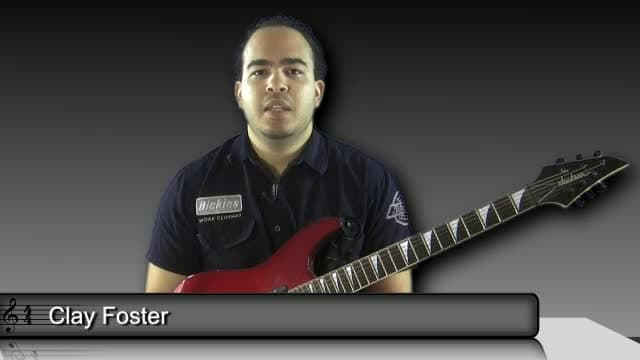
Torrins brings you an electrifying guitar lesson—Symphony of Destruction by Megadeth, taught by Clay Foster. This heavy-hitting metal track is part of our guitar song lesson series and is broken down into easy-to-follow sections.
Fun Fact: In an interview, vocalist Dave Mustaine shared that the lyrics for Symphony of Destruction were sparked by a headache he got while driving home. He scribbled the first lines on the back of a sushi receipt—“My metal brain’s corroding, my head is going to explode.” That spontaneous moment led to one of Megadeth’s most iconic songs, recorded on their fifth studio album Countdown to Extinction in 1992.
Song Arrangement
The song is taught in separate segments so you can master each part before moving to the next.
The song is in the key of E.
Verse
Verse is built around the F power chord and an open E power chord, along with other chords.
Downstrokes and palm muting are used in the verse—make sure to mute the strings to avoid letting notes ring out too long. Clay shares techniques like using your thumb or extra fingers to stop the sound cleanly.
Pre-Chorus
Features open palm muting and chromatic downs, creating that tight, chugging rhythm. Our lessons have a 3-angle video setup so you can clearly see hand positions and copy along easily.
Chorus
This section opens up with ringing E chords and a chromatic descending run. Chords like Bb, G#, and the D power chord makes the chorus sound more intense. Though it’s slightly more complex than the verse, Clay carefully breaks down the finger positioning and covers some fingerpicking techniques to help you through it.
After the first chorus, the main riff returns and leads into the second verse and pre-chorus, just like earlier.
The second chorus is a bit longer. The first half mirrors the first chorus, while the second half introduces new elements. Clay walks you through the difference so you can follow along confidently.
Solo Lesson
Clay breaks down the guitar solo into manageable sections.
- The first part has a bluesy riff with vibrato, bending, and palm muting.
- The second part is a 16-note rhythmic figure built around the Am6 chord, featuring some sliding techniques.
- Tune into the lesson to learn each section in detail and pick up essential phrasing skills along the way.
Sound and Tone
To capture the song’s feel, Clay dives into the tone settings. The tone is mid-rangy, which is a signature sound of Marty Friedman. Clay recommends listening to some of Friedman’s work to understand the sweet, expressive tone he’s known for.
For gear settings, Clay suggests using the middle pickup to replicate that tone more accurately.
Song Demo
The lesson wraps up with a full song demo, where Clay ties everything together. You can play along with him to practice transitions, polish your technique, and check your accuracy in real time.
FAQs – Symphony of Destruction Guitar Lesson
Q1: Is this song beginner-friendly?
Yes. While it has a few technical sections, the lesson breaks everything down clearly and provides enough guidance for newer players.
Q2: Do I need specific gear for the tone?
Clay suggests using a mid-range-focused setting with the middle pickup to get closer to Marty Friedman's tone. However, you can start with what you have and tweak as needed.
Q3: Is the solo hard to learn?
It’s approachable when broken into parts. Clay walks you through each phrase, so with some practice, you’ll be able to nail it.
Introduction
Get ready to master another hit song on Torrins—If It's Love by Train. This moderate-level lesson is taught by Steve Luciano, who breaks down the song into easy-to-follow sections. You'll learn about the chords, strumming patterns, and intricate techniques that make this song so engaging. Steve also shares detailed tips on finger placements and rhythm to help you recreate the authentic feel of the original track.
Fun Fact: If It's Love was written on the same day as Train's hit Hey, Soul Sister in New York City. Pat Monahan wrote it as a love song for the band's long-time fans, thanking them for their unwavering support over the years.
Chords Used in If It's Love
The song is tuned half a step down and features a mix of standard and suspended chords. Some of the key chords used include:
- G triad
- G chord
- Gsus4
- Csus4
- D4
- Dsus/F#
- G/B
Tune in to the lesson to learn the other chords that make up this song. Steve carefully explains the finger placements for these chords, especially complex chords like Dsus/F#, to ensure you get the right tone.
Strumming Pattern
The song starts with a drum section, and Steve demonstrates how to simulate that drum feel using strumming techniques.
- In the beginning, the rhythm follows a 16th note pattern: DUDUDUD
- As the song progresses, the pattern shifts to: DDUUUD
Steve emphasises the importance of keeping your right hand moving to maintain a consistent rhythm. He also explains how to incorporate sliding and arpeggios into your strumming to enhance the song's texture.
Song Structure
If It's Love follows a clear and structured format. Tune in to the lesson to understand the arrangement of the song.
In the beginning, Steve uses just 3–4 chords, making it approachable for most players.
As the song progresses, he introduces more complex chords like Dsus/F#, adding depth to the arrangement
Steve concludes the lesson by playing along with the song, demonstrating smooth transitions between sections.
Improvisation Techniques
For more advanced players, Steve teaches how to improvise over the progression using slides and arpeggios. He also explains how to replicate the original feel of the song by experimenting with the rhythm and strumming intensity.
Why Learn If It's Love?
This song is an excellent way to improve your chord transitions and rhythm skills. It also introduces suspended chords and alternate fingerings, helping you build greater versatility in your playing.
Tips to Control Strumming Intensity:
- Keep the beginning section light with gentle strumming.
- Add more intensity in the chorus by strumming harder and using accents.
- Maintain a steady rhythm throughout the song to keep the groove intact.
FAQs – If It's Love Guitar Lesson
Q1. How can I improve my rhythm and timing?
Practice with the backing track and focus on Steve’s tips for simulating the drum section with your strumming.
Q2. Do I need to tune down my guitar?
Yes, the song is tuned half a step down for an authentic sound.
Q3. How can I handle the suspended chords more smoothly?
Steve suggests specific finger placements and transitions to make switching between suspended chords easier.

Similar Pop Songs




Introduction
Welcome to the bass lesson for Have You Ever Seen the Rain (Smokie version). Originally written by John Fogerty and released by Creedence Clearwater Revival in 1971, this timeless classic has been covered by many artists, including Smokie on their 1995 album The World and Elsewhere.
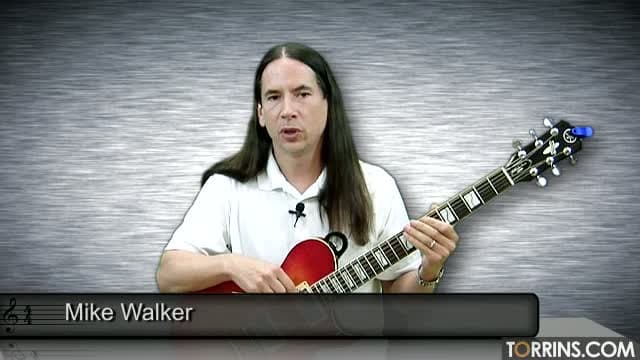
This lesson is taught by Mike Walker and is set in the key of C with standard tuning. It’s a straightforward yet expressive song, making it perfect for both beginners looking to sharpen their technique and intermediate players who want to refine their timing and feel.
Lesson Breakdown
Mike takes a step-by-step approach to make learning smooth and approachable.
- Intro: The intro starts with a short, tasteful lick that begins on the G string before moving to the low E. Mike also demonstrates a subtle twist here: taking the 5th of the note lower instead of the usual higher, which adds a unique flavor to the line. This is followed by another short lick, carefully broken down so you can catch every nuance.
- Verse: The verse introduces a light hammer-on lick and moves back and forth between the G and C strings. It also includes a simple but effective walking bass line. Mike explains each step slowly, highlighting when to use chromatic movements and when to hold back, making it very beginner-friendly.
- Chorus: In the chorus, Mike divides the section into smaller movements for easier learning. He also explains how to lock in your groove with the guitar and drums to create a tight rhythm section feel.
- Underneath the Guitar Solos: You’ll also learn what’s happening in the bass line beneath the guitar solos. This part involves a subtle kick-drum-inspired rhythm, moving across the frets using four key chords to keep the groove steady.
Once all the sections are covered, Mike ties it all together by playing the full arrangement along with a backing track. This demo helps reinforce everything you’ve learned and is perfect for practising your transitions smoothly.