
Song Demo

Introduction:
This song was originally written and composed during the time of Schultz and Fraites in New York. It was meant to be a kiss-off to disinterested concertgoers. It was the first single from a folk rock band to get certified in the US.
Chords Used in Song Guitar Lesson:
Arpeggios Verse & Chorus Chords: The song is present in the key of C major.
Strumming Pattern:
The most common strumming pattern used for playing this song is D - D - U - D - D:
- D = Down strum
- U = Up strum
- - = Pause (mute or let the chord ring)
The alternative strumming pattern is D - D - U - U - D - U, this adds more guitar movement in the song and makes the guitar play a bit more smooth.
Song Structure:
Introduction: The introduction of the song is by J.J. Pattishall, in here he teaches you the tuning required to play this song on guitar.
Song Arrangement: Here, your guitar instructor talks about the feel of the song and how it helps you play it. In addition, he shares with you all the chords you have to play and how they should be played.
Sing and Play: In this section, you will learn how to time your chords while you are singing.
Song Demo: Finally this is the part where your guitar instructor will show you how to play the entirety of the song with the song running in the background.
Unlock Full Access to Lyrics & Chords with Torrins Membership
Unlock with premiumIntroduction:
This song was originally written and composed during the time of Schultz and Fraites in New York. It was meant to be a kiss-off to disinterested concertgoers. It was the first single from a folk rock band to get certified in the US.
Chords Used in Song Guitar Lesson:
Arpeggios Verse & Chorus Chords: The song is present in the key of C major.
Strumming Pattern:
The most common strumming pattern used for playing this song is D - D - U - D - D:
- D = Down strum
- U = Up strum
- - = Pause (mute or let the chord ring)
The alternative strumming pattern is D - D - U - U - D - U, this adds more guitar movement in the song and makes the guitar play a bit more smooth.
Song Structure:
Introduction: The introduction of the song is by J.J. Pattishall, in here he teaches you the tuning required to play this song on guitar.
Song Arrangement: Here, your guitar instructor talks about the feel of the song and how it helps you play it. In addition, he shares with you all the chords you have to play and how they should be played.
Sing and Play: In this section, you will learn how to time your chords while you are singing.
Song Demo: Finally this is the part where your guitar instructor will show you how to play the entirety of the song with the song running in the background.
Unlock Full Access to Lyrics & Chords with Torrins Membership
Unlock with premiumExplore More in English Songs









Introduction
Tune in to another detailed guitar lesson on the Torrins platform! The I Should Have Known Better guitar lesson is taught by our expert instructor Steve Luciano. He makes learning this popular Beatles song both fun and rewarding.
I Should Have Known Better, by The Beatles, was originally released on the soundtrack of A Hard Day's Night—the film of the same name.
This guitar tutorial covers chord progressions and rhythm in detail. Steve also breaks down the advanced rhythm of this song for those who wish to level up their guitar playing.
Fun Fact:
In A Hard Day’s Night, "I Should Have Known Better" is performed in a train’s brake coach—but the scene was actually filmed inside a stationary van, with crew members rocking it to simulate motion!
Chords & Key
Steve Luciano demonstrates how to play this song in the key of G major, using only seven chords. Some of the key chords in this song are G, C, Em, and D7. Tune in to the full guitar tutorial to learn the remaining chords and master the song with us.
Chords Used in I Should Have Known Better Guitar Lesson
Verse & Chorus Chords: This song primarily includes open chords.
Strumming & Rhythm
Basic Rhythm Pattern: DDDUD (4 beats)
- The strumming pattern follows a 4-beat rhythm, making it beginner-friendly
- Steve Luciano demonstrates how to navigate chord transitions, including the shift from two chords per measure in the intro and beginning of the verse to one chord per measure throughout the rest of the song.
Right-Hand & Left-Hand Technique
- Since the rhythm remains consistent throughout, the right hand moves constantly, focusing on steady strumming.
- The left-hand placement changes, and Luciano shares great tips on finger positioning and switching, ensuring smooth playing.
Song Structure
This song follows the usual verse-chorus format.
Use the provided tabs to follow the chord progressions as Luciano guides you through the song structure.
Advanced Rhythm Techniques
Once you've learned the basic chords and developed good control over your left hand, you can move on to a more complex rhythm pattern.
Anticipated Rhythm:
- Luciano introduces a technique where chords or notes are played slightly before the expected beat to create a sense of forward motion and groove.
- This anticipation technique adds energy, syncopation, and a more natural feel to the rhythm, making your playing sound more dynamic.
Why Learn I Should Have Known Better Song?
Learning this Beatles classic will help you build core guitar skills in a fun and engaging way.
Whether you're a beginner or looking to brush up on technique, this track offers plenty of learning opportunities.
This guitar lesson focuses on:
- Learning various chords
- Understanding rhythm variations & dynamics
- Improving strumming and finger placement
FAQs – I Should Have Known Better Guitar Lesson
Q1: Do I need a capo?
No, a capo is not required. However, you can try experimenting with different voicings to see what matches your vocal range.
Q2: Are there any barre chords in this song?
No, Steve Luciano teaches this song using open chords only.
Q3: How can I make the rhythm more dynamic?
Playing chords slightly ahead of the beat creates a more dynamic feel. This anticipation technique is covered in detail in the guitar lesson.

Similar Pop Songs



Introduction
Torrins brings you another heartfelt country classic—Always on My Mind by Willie Nelson, taught by Mike Dugan. This in-depth lesson covers everything from basic chords to advanced rhythm techniques, making it accessible for both beginners and advanced players.
Fun Fact: Always on My Mind was the Billboard number one country album of the year in 1982. It remained on the Billboard Top Country Albums chart for an astonishing 253 weeks, holding the number one spot for 22 weeks. It even spent 99 weeks on the Billboard 200, peaking at number two for three weeks!
Chords Used in Always on My Mind
Beginner Chords:
- D, A, Bm, etc (alternative chords provided for those struggling with barre chords)
- Bm/G# and other slash chords (simplified option available)
- Basic downstrumming technique
Advanced Chords:
- Walk-down from Bm barre chord to G, creating a smooth transition
- Em, A, D, and motion chord movement from Em to F#, along with other chord voicings
- Includes A/C# to add depth to the song
Rhythm & Strumming Pattern
Beginner Rhythm:
- Simple downstrumming throughout the song for easy playability
Advanced Rhythm:
- More dynamic strumming pattern: DUDDUD with variations in the upstrokes
- Incorporates subdivisions and expressive chord transitions to match the song’s emotional tone
Song Structure
This song follows a classic country ballad structure:
- Intro
- Verse 1 & 2
- Bridge – Separate versions for beginners and advanced players
- Solo Verse – Melody-driven section
- Bridge Repeat
Solo Section
- Uses the D major scale for advanced players
- Simple yet effective solo incorporating D and Bm/A chords, to name a few
- Captures the melody of the song to create an emotional instrumental moment
Improvisation Techniques
For those wanting to add their own flavour, Mike shares techniques to elevate their playing:
- Walk-down motions to create smoother transitions
- Letting open strings ring for a fuller sound
- Subtle rhythmic variations to match Willie Nelson’s expressive phrasing
Why Learn Always on My Mind?
This lesson is a great way to enhance your expressiveness as a guitarist. Whether you’re learning the basic chords or mastering the advanced transitions, Mike ensures that every player walks away with valuable skills.
FAQs – Always on My Mind Guitar Lesson
Q1. Is this song beginner-friendly?
Ans: It’s better suited for intermediate and advanced players, but Mike breaks it down for beginners as well.
Q2. What if I struggle with barre chords?
Ans: Alternative chord shapes are provided for Bm and Bm/G# to make it easier.
Q3. How can I improve my strumming on this song?
Ans: Beginners should start with downstrumming, while advanced players can incorporate upstroke variations and subdivisions for a more dynamic feel.
Q4. Does this lesson include a solo?
Ans: Yes! The solo is based on the D major scale and includes a simple yet effective melody.




Introduction:
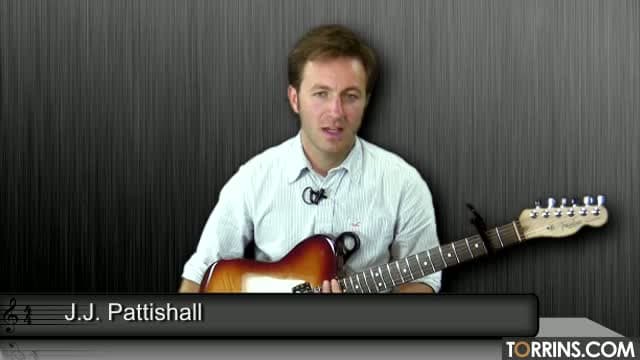
Get ready to learn You Send Me by Sam Cooke with instructor Mike Dugan on Torrins. This lesson covers everything from basic chords and strumming patterns to advanced solo techniques, making it suitable for both beginners and more experienced players. Mike breaks down the song step-by-step, helping you match your vocals with the chords and refine your rhythm for a polished performance.
Fun Fact: This was Sam Cooke’s debut single and it was a glorious debut– it peaked at number 1 position on both Billboard's Rhythm & Blues Records chart and the Billboard Hot 100. It was also named as one of the 500 most important rock and roll recordings by the Rock & Roll Hall of Fame.
Chords and Techniques Used in You Send Me
- Key: The original song is in the key of F for vocals, but Mike moves it to the key of G since it’s easier to follow on the guitar.
- Chords Used:
- G, D or D7, Am, and others
- He explains easy chord transitions and provides alternatives for beginners struggling with barre chords.
- Strumming Pattern:
- For Beginners:
- Use downstrokes, with two strums per chord for the verse.
- The verse uses open chords, with downstrokes on the numbers and upstrokes on the "and" counts.
- Tip: Don’t force the upstrokes—keep them light and natural.
- For Advanced Players:
- Mike demonstrates an advanced rhythm pattern using downstrokes with a triplet feel.
- He explains how to create a smoother, more dynamic strumming effect.
- For Beginners:
Song Structure
- Verse 1 and Verse 2: The two verses follow the same chord pattern and strumming technique. He also teaches how to match your vocals with the chords for a cohesive sound.
- Bridge: The bridge includes barre chords, but Mike teaches open chord alternatives for beginners. He explains the correct positioning for barre chords in detail to help you improve your grip and clarity.
- Solo Section: The solo is in the key of G major. The lead follows the relative minor of G (E minor), using the E minor pentatonic scale. For advanced players, he demonstrates a creative technique that makes the solo sound very close to the original recording.
Why Learn You Send Me?
This lesson not only teaches you how to play the song but also helps you develop better rhythm, improve chord transitions, and explore creative soloing techniques. The mix of beginner-friendly guidance and advanced options makes it a well-rounded learning experience.
Tips to Improve Your Playing
- Start slow with the strumming pattern to build muscle memory.
- Focus on smooth transitions between chords.
- For the solo, practice the E minor pentatonic scale separately before combining it with the backing track.
- Follow along with the tabs provided for a comprehensive learning experience.
FAQs – You Send Me Guitar Lesson
Q1. Is this song suitable for beginners?
Ans: Yes! The lesson includes beginner-friendly chords and strumming patterns, along with alternatives for challenging barre chords.
Q2. What’s the best way to improve my chord transitions?
Ans: Start slowly and focus on switching between two chords at a time before increasing your speed.
Q3. Do I need a capo for this song?
Ans: No capo is required, but you can experiment with different chord voicings to match your vocal range.